That warm, fuzzy feeling you get when you wrap your arms around your furry companion might not be mutual. Recent veterinary research is challenging our assumptions about one of our most natural expressions of love: the hug. While we pour our hearts into these embraces, science suggests our dogs may be silently pleading for escape.
This revelation isn’t meant to diminish the deep bond between humans and their canine companions, but rather to help us understand how our four-legged friends truly experience the world. The latest findings paint a picture that’s both surprising and enlightening about the disconnect between human intentions and canine comfort.
The Silent Language of Stress
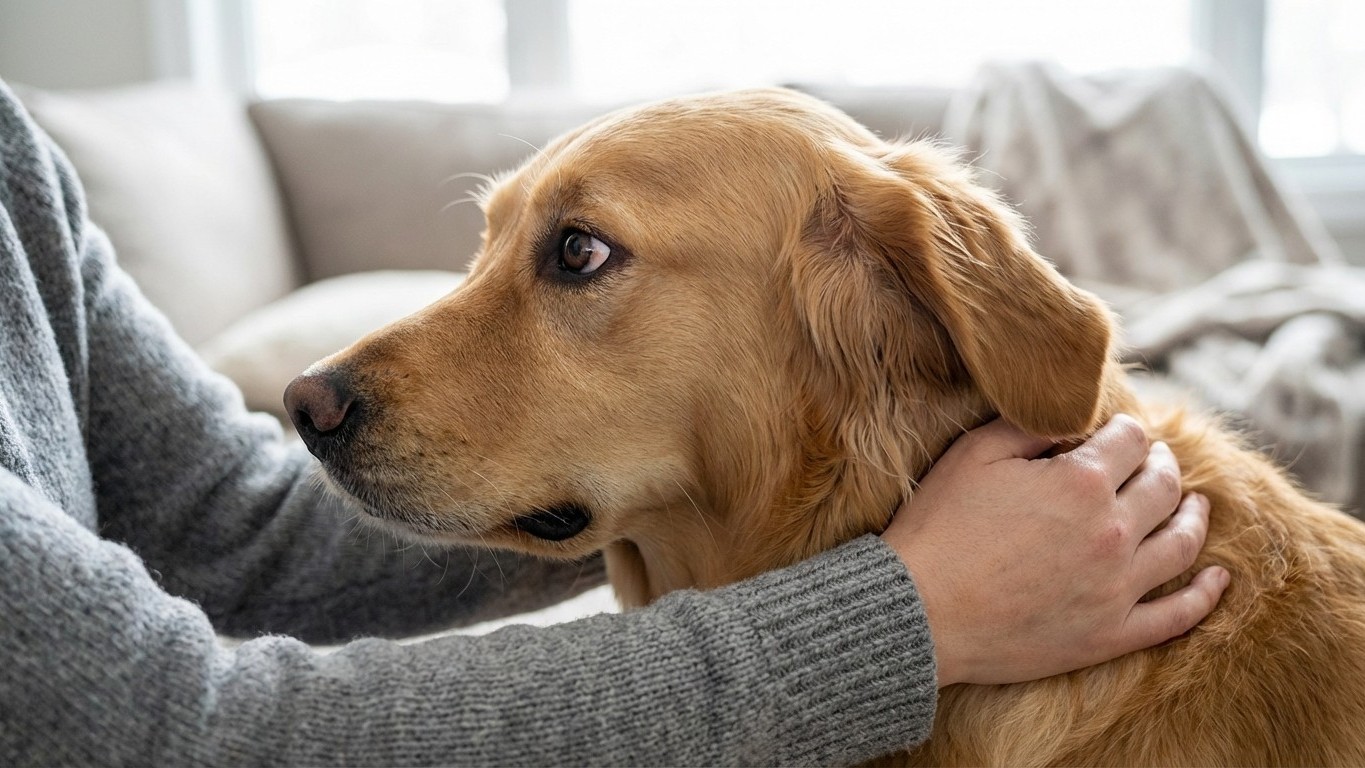
A comprehensive analysis of 250 photographs Showing-rabbit-affection-actually-terrifies-them-say-veterinary-behaviorists”>Showing people hugging their dogs revealed that 81.6 percent of the dogs exhibited at least one sign of discomfort, stress, or anxiety. Only 7.6 percent appeared genuinely comfortable with the embrace. These aren’t dramatic displays of distress—they’re subtle signals that most dog owners completely miss.
The stress signals include tongue-flicking, ears pulled back, face averted, eyes showing “whale eye” (whites of the eyes visible), tightly closed mouth, rigid facial muscles, and furrowed brows. Dogs experiencing stress may also lick their noses and lips frequently, pant when they haven’t been exercising, yawn repeatedly, avoid eye contact, or show dilated pupils.
A 2024 study in Ireland took this research further by analyzing video footage instead of still images, revealing even more stress indicators like blinking, panting, and in 68 percent of cases, dogs actually nipping or biting at the human during the hug. The movement captured in video exposed Behaviors that photographs simply couldn’t reveal, painting an even clearer picture of canine discomfort.
Why Dogs Don’t Love Our Embraces
Dogs are technically cursorial animals, designed for swift running. In times of stress or threat, their first line of defense isn’t their teeth, but their ability to flee. Behaviorists believe that depriving a dog of this escape route by immobilizing them with a hug can increase stress levels, and if anxiety becomes intense enough, may even drive them to bite.
This biological reality helps explain why what feels like love to us can feel like restraint to them. Often, the stillness we interpret as a dog being calm is actually a freeze response—not contentment, but stress. Our dogs aren’t being ungrateful; they’re responding to millions of years of evolutionary programming that tells them to maintain their ability to escape potential threats.
Recent research has also shown that dogs can smell our stress hormones and become more hesitant and pessimistic when exposed to stressed human scents. Studies demonstrate that changes in an owner’s heart rate can predict changes in their dog’s heart rate, showing how deeply our emotional states affect our pets. This interconnection means that if we’re stressed about our dog’s reaction to hugging, we may be inadvertently adding to their discomfort.
Reading the Signals We’ve Been Missing
Research shows that humans tend not to understand the body language or vocalizations exhibited by dogs when interacting with them. While most pet parents can recognize obvious signs of a happy dog (wagging tail, playful bow) or an aggressive one (growling, showing teeth), the subtle signals of stress and anxiety often go unnoticed.
Context is crucial when interpreting these signals. The same behavior can mean different things—panting after fetch is normal, but panting in a quiet room could indicate stress. Similarly, yawning in bed signals tiredness, but yawning during a hug might indicate anxiety. It’s also important to know Your Dog’s baseline behavior, as every animal is different. Some naturally pant more, some hold their tails lower, and some yawn often.
The American Veterinary Medical Association states that being able to read a dog’s body language is a key step in dog bite prevention. This isn’t about creating fear, but about fostering better communication and stronger relationships built on mutual understanding and respect.
Better Ways to Show Love
The goal isn’t to stop showing affection to our dogs, but to express it in ways they genuinely appreciate. Instead of reaching for that squeeze, try a gentle pet or offering a treat. Many dogs prefer side-by-side companionship, gentle scratches behind the ears, or interactive play that respects their need for movement and choice.
Interestingly, while hugging may stress dogs, other activities like feeding, massaging, and walking showed-me-this-pro-trick”>showed-me-this-2-minute-trick”>showed-me-this-folding-trick”>showed positive effects on both human and canine well-being. Playing with dogs particularly benefited both relaxation and concentration in humans while keeping dogs comfortable. These alternatives allow us to bond while honoring our dogs’ communication preferences.
The research emphasizes that keeping relationships with dogs based on positive reinforcement and happy, fun engagement is the best way to maintain good relationships and ensure happy dogs. This means paying attention to what our dogs are telling us and adjusting our behavior accordingly, rather than imposing our human preferences for physical affection.
Understanding our dogs’ true feelings about hugs doesn’t diminish the love between species—it enhances it. By learning to read the subtle language of stress and choosing expressions of affection that our dogs genuinely enjoy, we’re not losing connection; we’re deepening it. The most loving thing we can do is listen to what our dogs are actually saying, even when their message challenges our assumptions about how love should look.