The April Tomato Mistake That Ruins Your Entire Season: Cold Soil, Skipped Hardening Off, and How to Fix It

The April Tomato Mistake That Ruins Your Entire Season: Cold Soil, Skipped Hardening Off, and How to Fix It

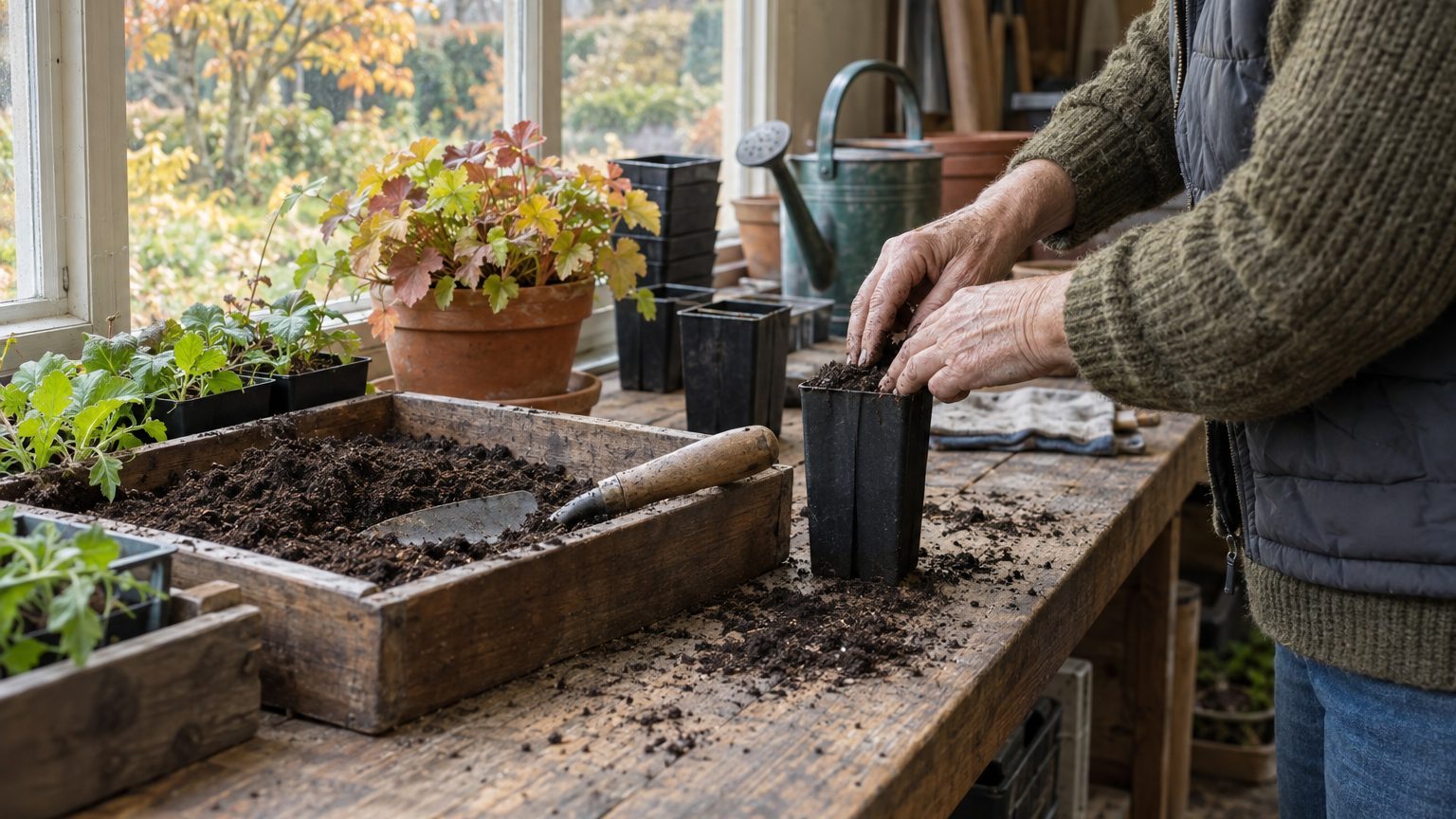
Planting tomatoes in April feels like perfect timing, but rushing seedlings into cold soil without preparation is the silent killer of your garden. Learn the three critical mistakes that devastate tomato crops and the exact steps to plant for maximum root power and fruit production.

The April Pinch Secret: Why Your Fig Tree Won’t Fruit (And How to Fix It Before It’s Too Late)

The April Pinch Secret: Why Your Fig Tree Won't Fruit (And How to Fix It Before It's Too Late)

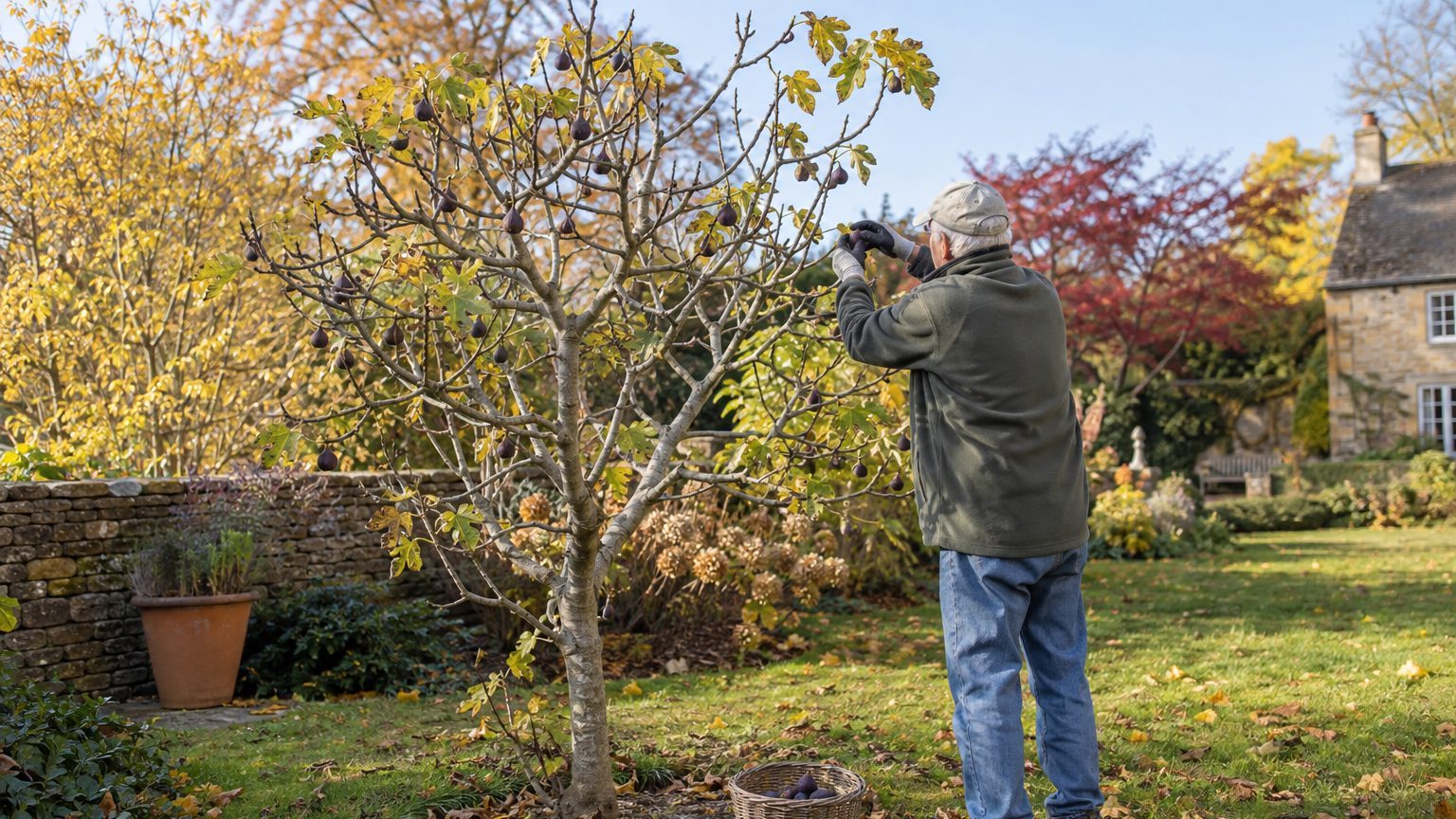
A fruitless fig tree doesn’t mean failure—it means you’re missing one crucial technique that Mediterranean growers have used for generations. Before April ends, pinch the right shoots and redirect your tree’s energy from leaves to fruit.

The 15-Day April Rule That Determines Your Strawberry Harvest for Years to Come

The 15-Day April Rule That Determines Your Strawberry Harvest for Years to Come

A single month of neglect in April can sabotage strawberry yields for years. The critical 15-day window in spring determines not just this year’s harvest, but your plants’ productivity for the next three to five years through decisions about mulch timing, flower removal, and runner management.

Why Your April Raspberry Shoots Are Secretly Destroying Your Harvest

Why Your April Raspberry Shoots Are Secretly Destroying Your Harvest

Those bright green raspberry shoots emerging in April feel like progress, but they’re quietly sabotaging your harvest. Dense canes compete for resources, reduce fruit quality, and invite disease—and most gardeners unknowingly keep them all. Here’s why thinning now matters.

Your Rain Barrel Is Now a Mosquito Factory—Here’s What’s Actually Growing in There

Your Rain Barrel Is Now a Mosquito Factory—Here's What's Actually Growing in There

That innocent rain barrel sitting in your garden has quietly transformed into a mosquito breeding ground and bacterial incubator. Within three days of standing open, it becomes a hatchery for disease-carrying mosquitoes, a biofilm factory, and a collector of rooftop contaminants. Learn what’s actually in that water and how to fix it.

Don’t Remove That ‘Weed’: Scientists Confirm It Shelters the Only Natural Predator of Asian Hornets

Don't Remove That 'Weed': Scientists Confirm It Shelters the Only Natural Predator of Asian Hornets

Scientists have identified the European honey buzzard as the only natural predator capable of destroying Asian hornet nests—and it thrives in eucalyptus plantations widely considered invasive and routinely cleared. This counterintuitive discovery reveals that one ‘weed’ may hold the key to controlling Europe’s hornet crisis.

Stop Killing Your Compost: Why Rhubarb Leaves Are Silently Sabotaging Your Pile

Stop Killing Your Compost: Why Rhubarb Leaves Are Silently Sabotaging Your Pile

Gardeners unknowingly destroy their compost by tossing rhubarb leaves into their bins. The oxalic acid in these leaves suppresses the microbes that make composting work, creating sluggish piles and half-finished material. Learn the chemistry behind the problem and smarter alternatives.

The Secret Bucket Trick That Doubled This Gardener’s Cucumber Harvest

The Secret Bucket Trick That Doubled This Gardener's Cucumber Harvest

A single bucket with a hole drilled in it transformed one gardener’s cucumber yield, outproducing their neighbour’s harvest by 100%. The secret lies in understanding that cucumbers are 95% water and demand consistent, stress-free hydration—something a gravity-fed drip system delivers perfectly, eliminating the bitter fruit caused by erratic watering cycles.

Wood Ash in Your Garden: Why Scientists Say This Centuries-Old Practice Triggers Hidden Nutrient Collapse

Wood Ash in Your Garden: Why Scientists Say This Centuries-Old Practice Triggers Hidden Nutrient Collapse

For centuries, gardeners have scattered wood ash to boost soil fertility. But modern soil science reveals a hidden trap: ash spikes soil pH so dramatically that it locks manganese, iron, and zinc into forms plants cannot absorb, creating invisible deficiency even in nutrient-rich soil. Find out when ash actually helps—and when it sabotages your garden.