
My heating bill was climbing every Winter, and despite cranking up the thermostat, my living room felt perpetually chilly. I’d invested in what Thought-he-was-just-stubborn-these-5-behaviors-actually-reveal-a-bored-dog”>I Thought were quality thermal curtains, yet cold drafts still seemed to seep through my windows. It wasn’t Until I dove deeper into understanding how these energy-saving window treatments actually work that I realized my mistake – and discovered why some thermal curtains are essentially decorative fabric masquerading as insulation.
The revelation came during a particularly brutal February when I noticed condensation forming between my curtains and windows. This moisture buildup was a telltale sign that my supposedly insulating curtains were creating a cold zone rather than preventing heat loss. The problem wasn’t just with my curtains – it was with my fundamental misunderstanding of what makes thermal curtains effective.
The Science Behind Real Thermal Performance
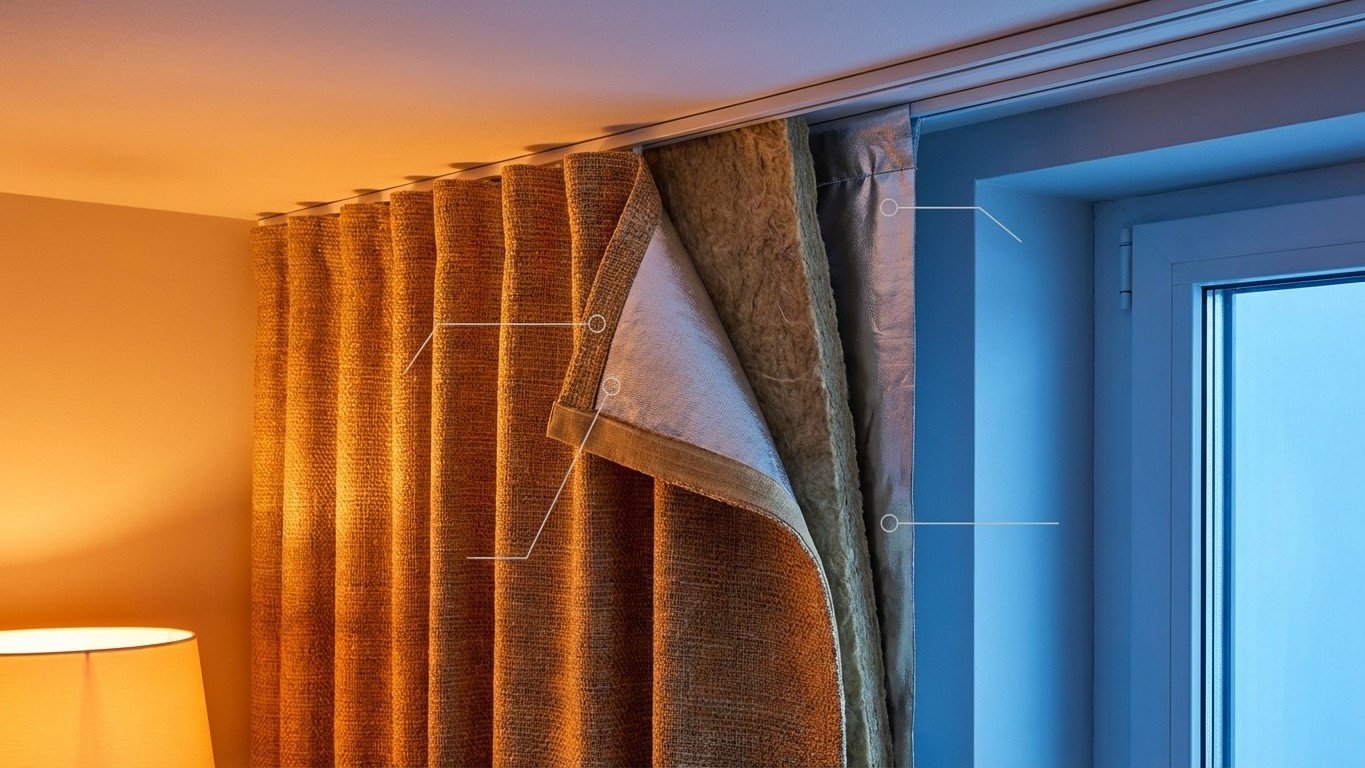
True thermal curtains work through multiple mechanisms that cheap alternatives simply don’t provide. The most effective designs incorporate a multi-layer construction where each layer serves a specific purpose. The outer decorative layer faces the room, while middle insulating layers trap air – nature’s most effective insulator when contained properly. The layer closest to the window often features a reflective backing that bounces radiant heat back into the room rather than allowing it to escape through the glass.
What many homeowners don’t realize is that the installation method dramatically affects performance. Curtains that hang loosely away from the window create convection currents that actually increase heat loss. Cold air descends along the window, flows under the curtain, rises along the warm room side, and creates a continuous circulation pattern that defeats the insulation purpose. The most effective thermal curtains are designed to seal tightly against the window frame, creating a dead air space that acts like an additional layer of glazing.
The weight and density of the fabric also play crucial roles that aren’t immediately obvious. Heavier curtains with tighter weaves naturally reduce air infiltration better than lightweight alternatives. However, weight alone doesn’t guarantee thermal performance – some heavy curtains are simply thick decorative fabrics Without Any scientific approach to heat retention. The key lies in understanding that effective thermal curtains are engineered products, not just thick fabric panels.
Why Installation Details Matter More Than You Think
Even the highest-quality thermal curtains fail when installed incorrectly. The mounting height and extension beyond the window frame are critical factors that determine success. Curtains should extend at least four inches beyond the window frame on each side to prevent heat from escaping around the edges. Similarly, mounting the rod close to the ceiling rather than just above the window frame prevents warm air from flowing up and out through the top gap.
The bottom treatment is equally important but often overlooked. Curtains that puddle dramatically on the floor might look luxurious, but they create gaps that allow air circulation. The most thermally effective installations either have curtains that just touch the floor or incorporate bottom weights and seals that create a tight barrier against air movement.
Professional energy auditors often use thermal imaging cameras to reveal how poorly installed curtains actually increase heat loss in specific areas. These images show warm air escaping around curtain edges and cold zones forming where air circulation patterns develop. Understanding these thermal bridges helps Explain Why some rooms remain cold despite Expensive window treatments.
Identifying Truly Effective Thermal Options
Shopping for effective thermal curtains requires looking beyond marketing claims and examining specific construction details. Genuine thermal curtains typically feature multiple distinct layers that you can feel when handling the fabric. They often have a substantial weight that reflects their multi-layer construction, though this weight should feel purposeful rather than simply bulky.
The backing material provides important clues about thermal performance. Look for curtains with specialized thermal backings rather than standard fabric linings. Some incorporate reflective materials that appear almost metallic, while others use foam-like insulating layers. These backings should feel different from regular curtain linings and often have a distinctive appearance when viewed from the window side.
Testing thermal effectiveness doesn’t require expensive equipment. On a cold day, carefully feel around the edges of installed curtains for temperature differences. Effective thermal curtains create a noticeable temperature gradient, with the room-facing side feeling warmer than the window-facing side. You should also notice reduced drafts and less condensation formation compared to regular curtains or bare windows.
Beyond Curtains: Creating a Complete Thermal System
The most successful thermal window treatments work as part of a complete system rather than standalone solutions. This might include weatherstripping around window frames to eliminate air leaks that would undermine even the best curtains. Some homeowners combine thermal curtains with cellular shades for dual-layer protection, while others incorporate window films that add another barrier to heat transfer.
Understanding your specific windows and climate conditions helps determine the most effective approach. Single-pane windows benefit more dramatically from thermal curtains than modern double or triple-pane units. Similarly, windows facing prevailing winter winds require more robust thermal protection than those on sheltered sides of the house.
The investment in truly effective thermal curtains pays dividends beyond energy savings. Rooms become more comfortable at lower thermostat settings, reducing both environmental impact and utility costs. The temperature stability also reduces condensation problems that can lead to mold and window frame damage over time.
My own experience transformed once I replaced my decorative thermal curtains with properly engineered alternatives and corrected the installation issues. The difference was immediately noticeable – not just in comfort, but in how the Entire room felt more stable and welcoming during winter months. Understanding that thermal performance requires both quality materials and proper installation turned my frustrating heating situation into a success story that continues to deliver value every winter.