
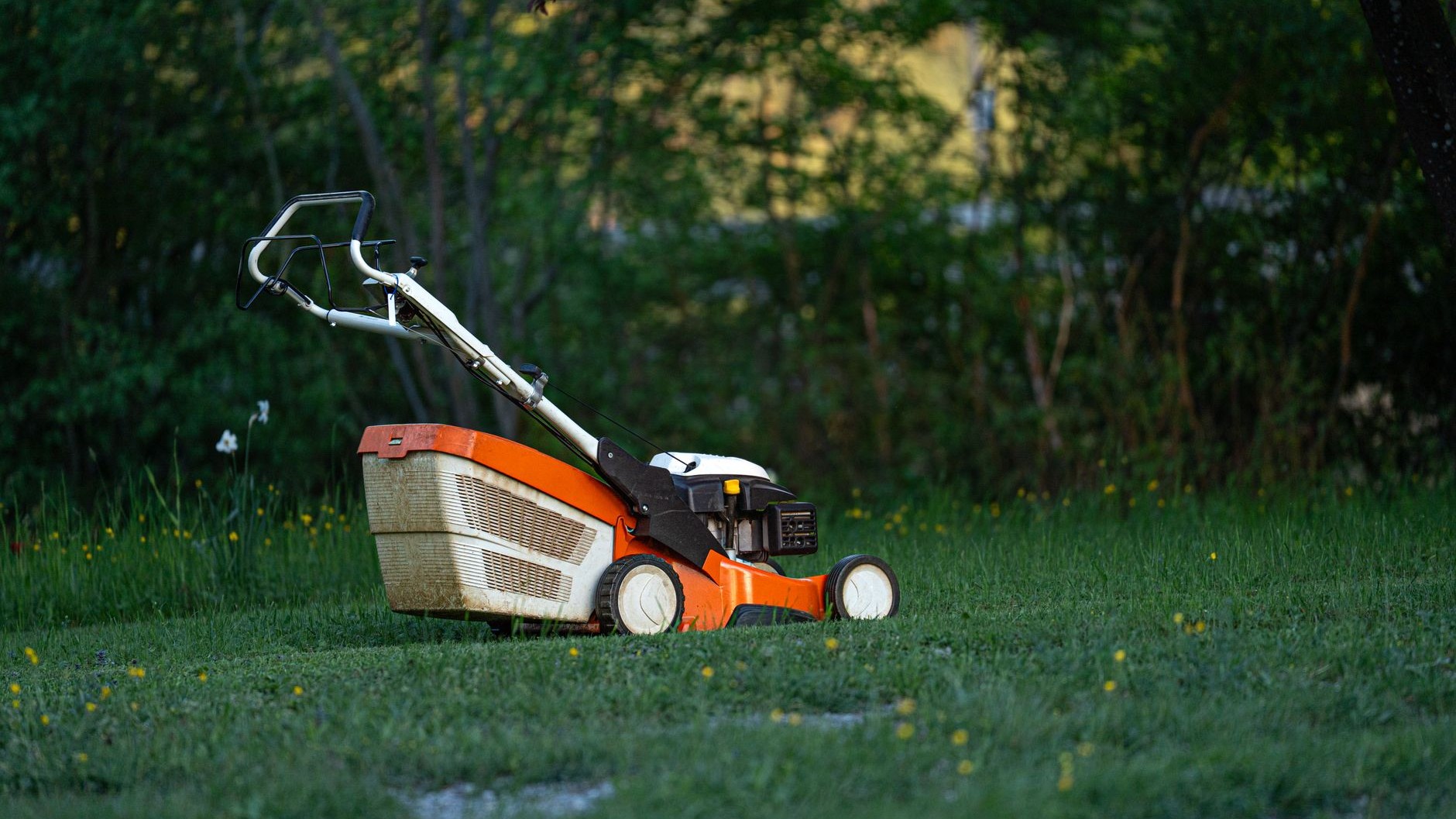
Cut injuries. That’s the clinical term researchers use for what a spinning robotic blade does to a small animal caught underneath it after dark. I didn’t know that phrase until I found out the hard way, after scheduling my mower to run overnight so I wouldn’t have to hear it buzzing around the yard during dinner. The lawn looked fine at first glance. Then I saw what was tucked against the fence line, and the convenience I’d been chasing suddenly felt like a mistake I couldn’t undo.
Key takeaways
- Oxford researchers tested 18 robotic mower models against wildlife: the results weren’t what manufacturers claim
- Almost half of hedgehogs struck by garden tools don’t survive—and they’re often found hours or days later
- Three specific hardware features separate safe mowers from dangerous ones; most lack all three
What the Research Actually Found
Turns out I wasn’t the first person to learn this lesson, and scientists have spent years documenting exactly why. A team led by Oxford University thoroughly investigated 18 models of robotic lawn mowers in collision tests with dead hedgehogs, using animals that had already died at wildlife rehabilitation centers. The setup was methodical: each robotic lawn mower was tested 12 times, with four dead hedgehogs representing four different weight classes, each tested in three different positions. The results weren’t uniform. Different models of robotic lawn mowers vary substantially in their capability to detect and avoid hurting hedgehogs, and certain technical features significantly improve the mowers’ safety index.
A separate analysis out of Germany put real numbers behind the anecdotes. Researchers at the Leibniz Institute for Zoo and Wildlife Research analysed 370 documented cases of hedgehogs being injured by cuts from electric gardening tools, and the outcome was grim: almost half of the hedgehogs found between June 2022 and September 2023 did not survive the injuries. What struck me most wasn’t the death toll. It was the delay. The data reveal a serious animal welfare and conservation issue, as most hedgehogs were only found hours or even days after the accidents. That’s the part nobody tells you when they sell you a mower that runs while you sleep. The damage doesn’t announce itself. It waits.
My yard isn’t in the German countryside, and box turtles and cottontail rabbits aren’t the same animal as a European hedgehog. But the mechanism is identical. Earlier scientific investigations had already shown that, contrary to the claims of many manufacturers, robotic lawn mowers are unable to recognise small animals and usually cause serious injuries. A blade doesn’t know the difference between a garden gnome and a toad sitting still in the grass. It only knows resistance, or the absence of it.
Why Running It at Night Felt Like the Smart Choice
I set the schedule for midnight because that’s when nobody would notice the noise, and because the lawn stayed empty of foot traffic. What I didn’t factor in was that “empty” is relative. Nighttime is exactly when the yard fills up with a different set of visitors. Robotic lawnmowers are becoming increasingly popular, and many are concerned that running these, especially at night when most hedgehogs are active, could pose a threat. Swap in raccoons, opossums, frogs, or garter snakes and the same logic applies to most backyards. Nocturnal animals move under cover of darkness precisely because it’s safer for them. A silent, low-profile machine gliding across the grass at 2 a.m. doesn’t register as a threat until it’s too late to react.
The behavioral piece is almost sadder than the mechanical one. Manufacturers of pivoting-blade systems point out that rather than attempt to escape, a hedgehog will roll up into a prickly ball, which in this case won’t protect them from injury. An animal’s best defense becomes a liability the moment the threat is mechanical instead of a predator’s jaws. There’s no evolutionary playbook for a blade that doesn’t smell like danger.
The Fix Wasn’t Complicated
Every source I found agreed on the same starting point, and it isn’t a firmware update or a $50 sensor upgrade. It’s a schedule change. Owners of robotic lawnmowers can help protect wildlife by checking for animals on the lawn before turning on the mowers and only running these machines during daylight hours. Several manufacturers have built that logic directly into their apps. One brand’s daylight-only setting can be activated in the app and allows you to limit mowing times to daylight hours, leaving their habitat to nocturnal animals. Another company’s system defaults to daytime mowing to protect nocturnal animals, determining sunrise and sunset times based on the mower’s GPS location so mowing occurs only during daylight hours.
Hardware matters too, and it’s worth checking what your machine actually has before assuming it’s “smart” enough to avoid trouble. The three features that consistently separated the safer mowers from the dangerous ones in the Oxford testing were pivoting blades, skid plates and front wheel drive. If your model lacks all three, daylight scheduling isn’t optional. It’s the only real safeguard you have.
Some German municipalities didn’t wait for homeowners to figure this out on their own. Bochum approved an outright night ban from half an hour before sunset to half an hour after sunrise to reduce incidents involving hedgehogs, and Leipzig put similar restrictions into force in 2025. No American city has gone that far yet, but the underlying advice translates directly regardless of postal code: avoid operating the robot during nighttime and in the early morning hours, when hedgehogs and other animals are more active, since scheduling mowing during daylight hours drastically reduces the risk of accidents.
I moved my schedule to late morning, right after the dew burns off and well before dusk. The mower runs less often now, and the lawn takes an extra day to look magazine-ready. That trade feels obvious in hindsight. What still nags at me is how easy it was to convince myself that automation meant the machine was handling everything, when really it was just running blind through hours I’d stopped paying attention to.
Sources : izw-berlin.de | sciencedaily.com