
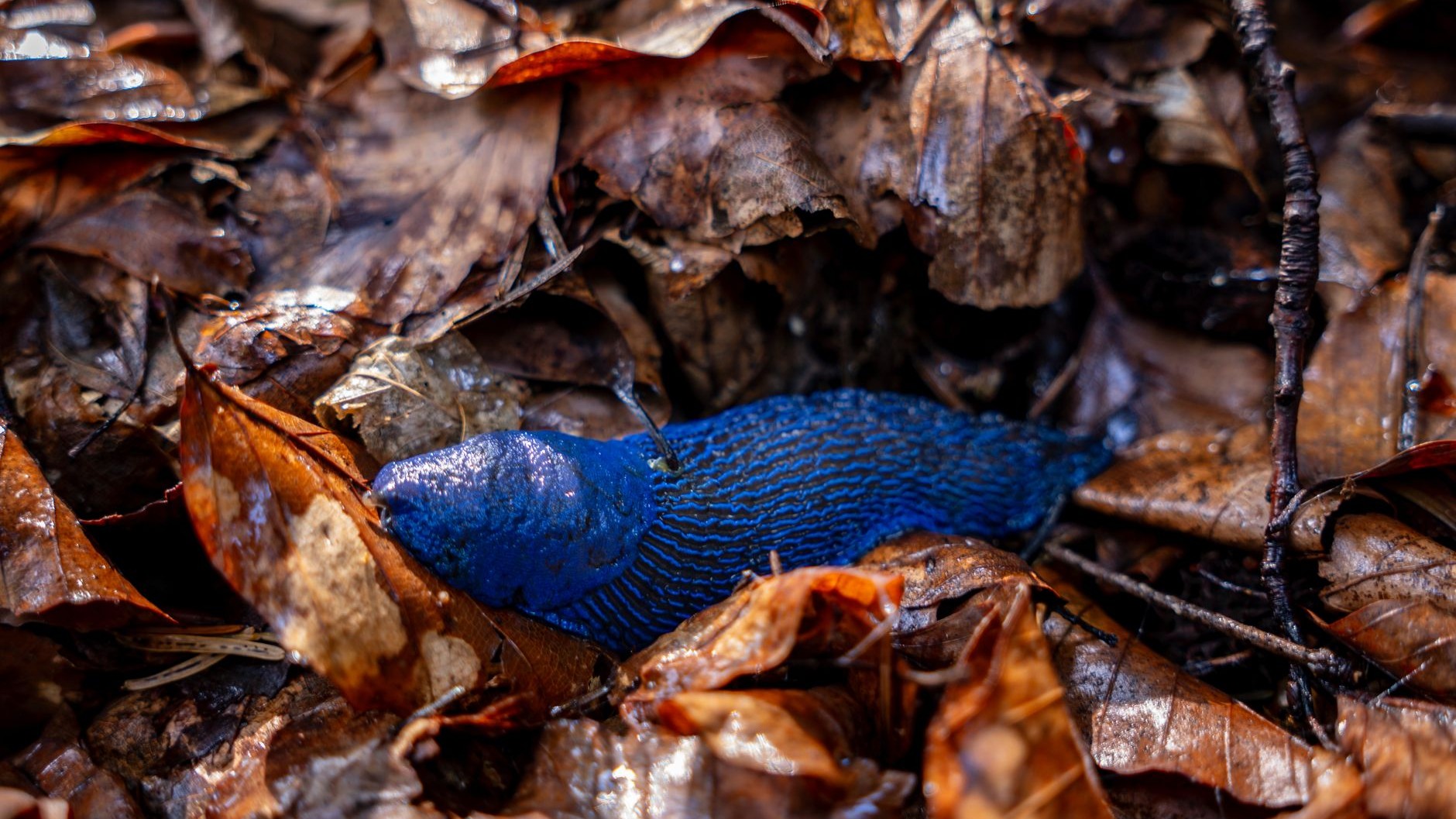
If there’s a faded tub of blue pellets tucked behind the paint cans and plant food on your shed shelf, it’s time for an honest inventory check. Metaldehyde, the chemical that gave classic slug bait its telltale cobalt color, has been banned for outdoor sale and use in the UK since 2022 due to the serious risk it poses to pets and wildlife. That means the product many gardeners grew up scattering around their lettuce beds every spring is no longer just old stock. It’s now illegal to use.
The distinction matters more than it sounds. A pellet doesn’t become dangerous the day a ban takes effect, it was always dangerous. What changed is the legal cover that let people ignore that danger for decades.
Key takeaways
- A chemical that’s been safe to use for decades just became contraband—but was it ever actually safe?
- The path to this ban involved a court battle, a government reversal, and a second attempt that finally stuck
- American gardeners face a different reality: the same product remains legal stateside despite identical safety concerns
How a Garden Staple Became Contraband
The path to this ban was anything but a straight line. Britain’s Department for Environment, Food and Rural Affairs first moved to prohibit metaldehyde back in 2018, only to see the decision unravel. The government withdrew the ban after some commercial growers took the decision to a judicial review, which resulted in the ban being overturned. It took a second attempt, backed by fresh advice from the UK’s pesticide and safety regulators, to make the prohibition stick.
That second attempt set a clear timeline. In September 2020 the government announced the withdrawal of metaldehyde slug control, with product sales ending in March 2021 and remaining stocks to be used up or disposed of by 31st March 2022. Retailers had a grace period to clear shelves, and gardeners had a window to use up what they already owned. That window closed years ago. Any tub still sitting in a shed today missed the deadline entirely, whether by an owner who simply forgot about it or one who never got the memo.
The reasoning behind the ban wasn’t cosmetic. This dangerous chemical enters the food chain via slugs but can cause secondary poisoning of hedgehogs and birds, as toxicity can build up as they consume slugs containing the substance. A songbird doesn’t need to peck at a pellet directly. It just needs to eat a poisoned slug, and the harm travels straight up the food chain.
Why That Blue Color Was the Whole Problem
Slug pellets got their signature hue for a practical reason, not an aesthetic one. These pellets tend to be flavoured with bran or molasses to make them more attractive to slugs, and the product is often dyed too, usually found as a blue or green colour. The same qualities that lured slugs, an appealing scent and taste, also made the pellets tempting to curious dogs, cats, and children who mistook them for something harmless.
The clinical reality of what happens next is grim. After ingesting them the slug becomes paralysed, produces an excessive amount of mucus and dies from dehydration. In mammals, the effects escalate fast. Early signs such as nausea, drooling and lack of coordination can progress rapidly to severe tremors, seizures, and a dangerously high body temperature, which can lead to organ damage, coma, or death if left untreated. There’s no clever antidote waiting in a vet’s cabinet, either. Product labels for metaldehyde formulations sold even where the chemical remains legal are blunt about it: metaldehyde is a systemic toxin, and there is no antidote.
Veterinary guidance on this is unambiguous, and it applies whether you’re in Manchester or Minneapolis: if you find old slug pellets at home, don’t use them, dispose of them safely rather than leaving them in the garden or shed. A container that’s been sitting untouched since before 2022 isn’t a bargain you’re saving for later. It’s a hazard that’s been quietly aging in place.
The Transatlantic Split Worth Knowing About
Here’s where the story gets interesting for American gardeners who might assume this is purely a British headline. It isn’t a global consensus. In the United States, metaldehyde products remain available, but many carry warnings about pet and wildlife exposure. The EPA hasn’t followed the UK’s lead, though it hasn’t ignored the risk either. Registered products still carry aggressive precautions, and formulators have leaned on bittering agents to make accidental ingestion less appealing to curious pets and toddlers.
That divergence puts American gardeners in an odd spot: legally permitted to buy the same active ingredient that British regulators decided posed too much risk to keep on shelves. If you’re gardening stateside and metaldehyde bait is still in your shed, it’s not illegal, but the safety math hasn’t changed just because the legal status did.
What to Reach for Instead
The good news is that the alternatives aren’t a downgrade. Iron phosphate and sodium ferric EDTA carry far lower risks, and the EPA classifies iron phosphate as a biopesticide, meaning it does not require the same hazard warnings for pets or wildlife. These products work differently. Rather than dehydrating slugs on the surface in a visible (and grim) slime trail, they interrupt the pest’s feeding so it retreats underground before dying.
Beyond bait entirely, plenty of gardeners have shifted toward tactics that skip poison altogether: torchlit slug patrols after dark, damp cardboard traps that concentrate pests for easy removal, and encouraging natural predators like frogs, hedgehogs, and ground beetles to move in. None of these require a chemical at all, and none of them risk your dog spending a night at the emergency vet.
If that shed shelf still has an old blue tub tucked in the corner, don’t just push it further back. Check your local household hazardous waste program, most municipal sites accept old pesticides for safe disposal, and skip the temptation to “use it up” on principle. The ban wasn’t bureaucratic overreach. It was a correction, years overdue, for a product that never should have been this easy to leave lying around.
Sources : allotment-garden.org | ccmedia.fdacs.gov | image-ppubs.uspto.gov