
Glass towers. Tiled hotels. The echo of your own footsteps following you from room to room. For decades, the open-plan aesthetic and hard, glossy surfaces promised modernity, until living inside a giant echo chamber started to feel more exhausting than aspirational. In 2026, that echo finally dies away. A quiet revolution is sweeping across the world of interior design, one that values serenity and sound-absorbing comfort over cavernous bravado.
Key takeaways
- Why echoing rooms are no longer modern or desirable.
- The rise of textiles, plants, and vintage decor as sound absorbers.
- How 2026 design trends create peaceful homes without sacrificing style.
The Sonic Backlash: Why Silence Became Luxury
Not so long ago, a home sounded different: plump rugs muffling conversation, thick curtains softening city noise, bookshelves and art quietly catching reverberations. Fast-forward to the era of Instagram-ready minimalism, and the result? Rooms that looked spectacular in photos, pristine, polished, vacant, but left inhabitants reaching for noise-canceling headphones just to think.
The pandemic years fast-tracked this transformation. Millions began working, learning, and living within the same four walls. Suddenly, echoing spaces didn’t feel like freedom; they felt like pressure cookers for our senses. Sales of acoustic panels in the U.S. doubled from 2020 to 2025, according to the American Society of Interior Designers, a silent signal that people were craving calm. The numbers are staggering: more than eleven million American households invested in some form of sound mitigation just last year. That’s the equivalent of everyone in Ohio deciding to hush their homes at once.
Soft Surfaces, New Materials, Hidden Genius
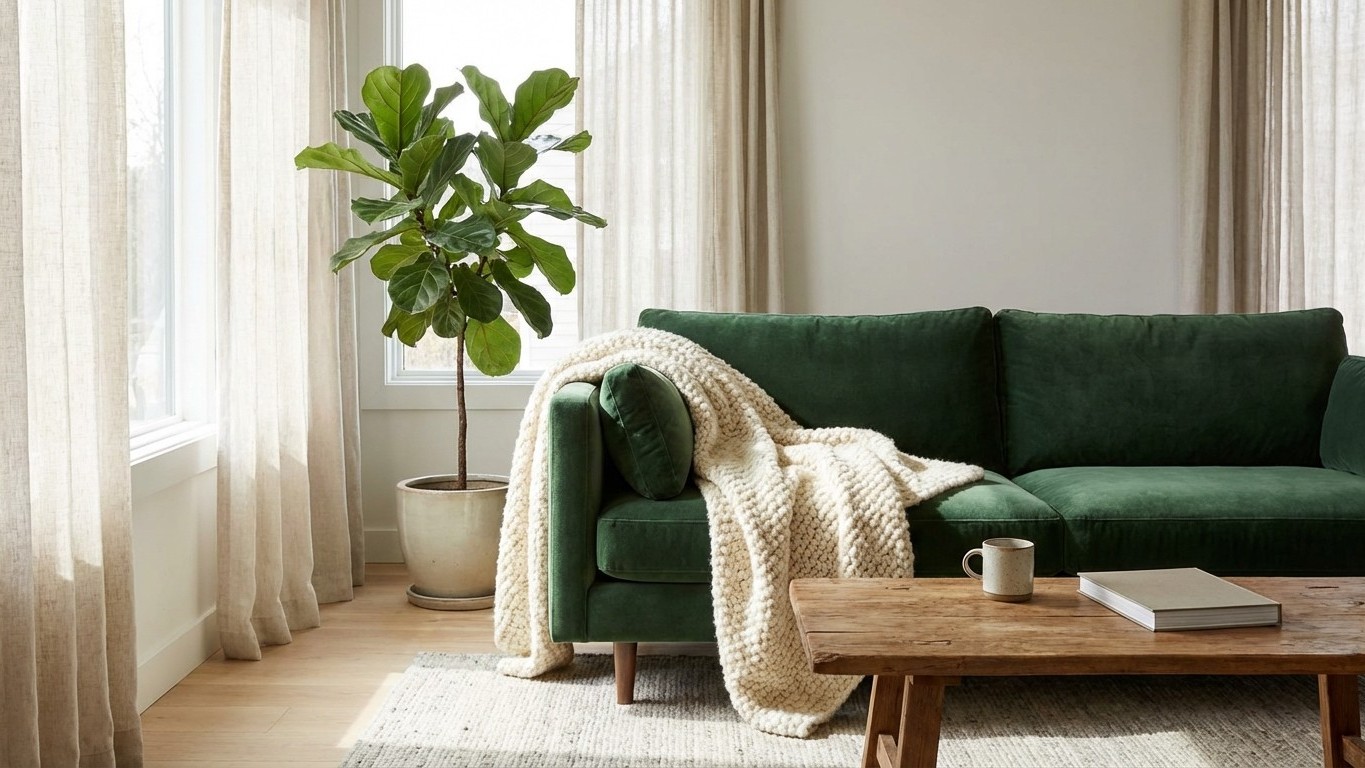
Textiles, not gadgets, shape this new quest for quiet. Walls draped with organic fabrics, “acoustic paint” that deadens sound, even modular furniture designed to break up sound waves. The trend is everywhere, though it rarely flaunts itself. Velvety sofas with a mid-century curve. Wool throws that look inviting but do double duty in sound absorption. Even books are back in vogue, not for what’s inside, but for the way a packed bookshelf hushes a room better than any app can.
Commercial design paved the way for some of these innovations. Open-plan offices in Europe became the perfect test beds for noise-canceling wallpaper and felt light fixtures, discreet solutions that melt into a space rather than shout for attention. Now, these tools have slipped into residential interiors, albeit with subtler colors and no trace of their industrial roots. That gray felt pendant you saw in a boutique hotel last year? It’s quietly making its way into suburban living rooms, promising a sanctuary of softness.
Unexpected Allies: Plants and Vintage Finds
Nature, it turns out, is the best sound engineer. Tall fiddle-leaf fig trees act like green barriers against echoes, while climbing vines on trellises create living, breathing partitions. Designers have begun doubling the number of indoor plants per square foot in project after project. Not as scenery, but as strategic softening agents. Walk into some of the trendiest Brooklyn brownstones, and you’ll spot unexpected stacks of vintage quilts or Persian rugs layered on walls. Part art, part history, part impromptu sound trap, proof that practical comfort and beauty go hand in hand.
No More Shouting: Rethinking Shared Space
Sound isn’t just about decibels, but how a space feels. A single bellowed phone call, once lost in the swirl of an open concept, now ricochets across glass and marble. In homes where everyone works remotely, parents on video calls, kids spilling into Zoom classrooms, the need to dampen noise isn’t a trend, but a necessity.
Architects report an entire new vocabulary for their work, zones, pods, buffer zones. Split-level floors with nooks for privacy. Sliding partitions padded with recycled cotton. Even kitchen islands now come with built-in acoustic panels underneath, softening clatter at its source. An anecdote from a Detroit-based architect: a three-generation household commissioned a built-in library, covering a formerly bare wall in floor-to-ceiling books and linen panels because, as the client put it, “We all want to feel less like we’re talking inside a gymnasium.” Three months after installation, the oldest family member had returned to piano practice. At last, music could be heard without the soundtrack of echoes.
Small Changes, Cathedral Quiet
You don’t need to renovate your entire home to feel the difference. Consider this: switching out a single glass coffee table for an upholstered ottoman dulls a surprising amount of ambient noise. A runner down the hallway, suddenly footsteps don’t follow you into the next room. Even a pile of plush floor cushions by the window does more for serenity than a high-tech speaker system.
But obsession with silence isn’t about erasing all noise. It’s about control, choice, the luxury to let the house either hush itself or gently come to life. Friends sharing laughter, the nephew tapping a drum set in the basement, jazz humming from a corner speaker, these sounds ought to be experienced in context, never flattened by overwhelming reverberation. A quiet home is the canvas; the sounds we cherish are the paint.
If your home still echoes with every word, maybe the real trend on the horizon is tuning in to your own comfort. What does peace sound like after years of relentless noise? As designers turn away from vast, sound-bouncing voids, one wonders: could the next status symbol be a room so quiet you finally hear yourself think?