
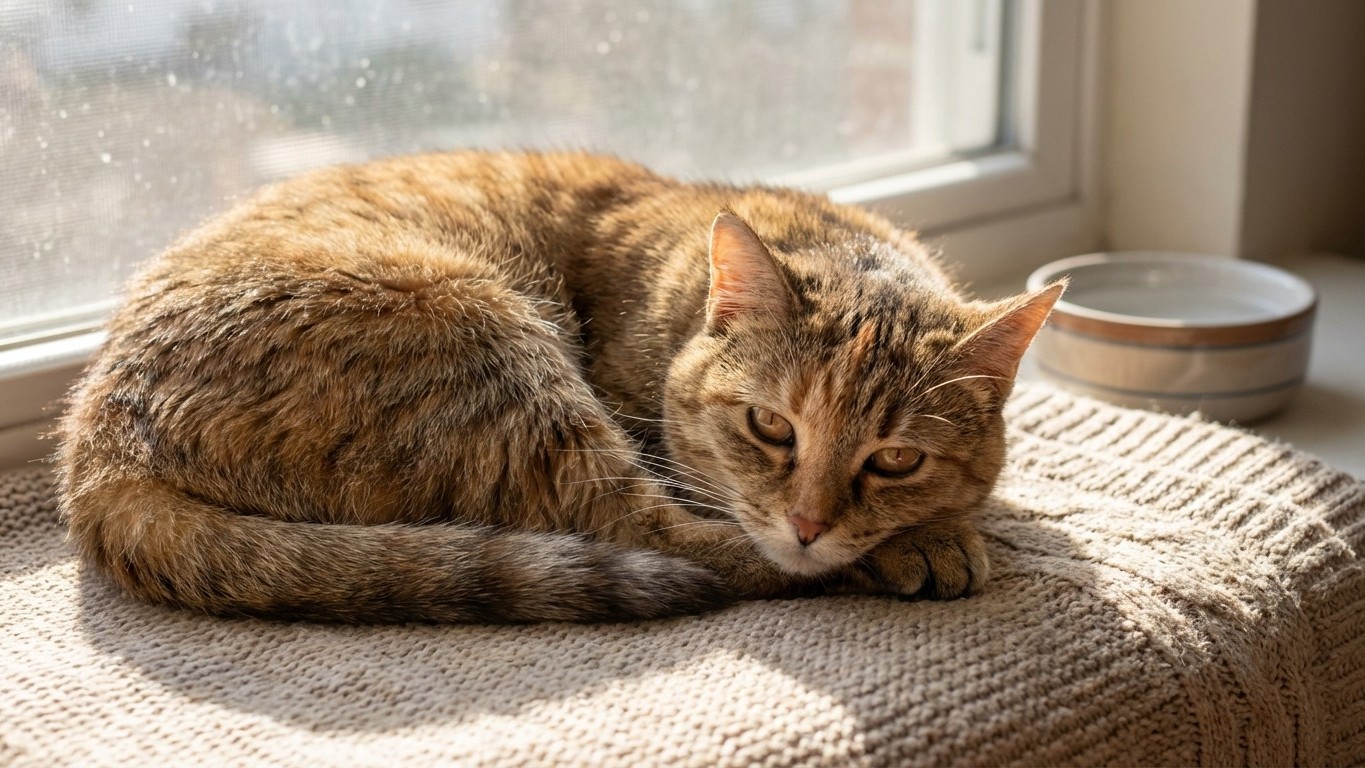
When Whiskers started sleeping more and seemed less playful, Sarah attributed it to aging. After all, her eight-year-old tabby had always been a champion napper. It wasn’t simple-rule-changes-everything-when-hanging-a-pendant-light-above-your-dining-table”>simple-rule”>until a routine vet visit revealed advanced arthritis that she realized her “tired” cat had been suffering in silence for mistake-everyone-makes”>Months. This scenario plays out in countless homes because cats are masters of disguise when it comes to pain.
Unlike dogs who might whimper or limp dramatically, cats have evolved to hide discomfort as a survival mechanism. in the wild, showing weakness could make them vulnerable to predators or competitors. This instinct remains deeply ingrained in our domestic companions, making pain detection one of the most challenging aspects of cat ownership.
The Subtle Art of Feline Pain Concealment
Cats communicate pain through incredibly subtle behavioral shifts that often masquerade as normal feline quirks. A cat who suddenly prefers sleeping on the floor instead of their favorite elevated perch might be experiencing joint pain that makes jumping uncomfortable. Similarly, a previously social cat who begins hiding under beds or in closets could be seeking quiet spaces to cope with discomfort.
Changes in grooming habits represent another crucial indicator. Cats typically maintain meticulous hygiene standards, so a suddenly unkempt appearance often signals that reaching Certain body areas has become painful. Conversely, excessive grooming of specific areas might indicate localized discomfort, as cats instinctively lick wounds and sore spots.
Appetite changes frequently accompany pain, though they’re easily mistaken for pickiness or natural appetite fluctuations. Dental pain, for instance, might cause a cat to approach their food bowl enthusiastically only to walk away after a few tentative bites. Stomach or intestinal discomfort could manifest as sudden food aversions or preference changes.
Reading Between the Lines of Daily Behaviors
The most telling signs often emerge in how cats navigate their daily routines. A cat experiencing back or hip pain might stop using their litter box if it requires climbing into a high-sided container. They might also eliminate just outside the box, suggesting the process of stepping in and positioning themselves has become uncomfortable.
Mobility changes deserve particular attention, even when they seem minor. Cats naturally move with fluid grace, so any stiffness, hesitation before jumping, or preference for using stairs instead of leaping onto Furniture warrants investigation. These adjustments often represent a cat’s attempt to minimize discomfort rather than laziness or aging.
Vocalization patterns can shift dramatically when cats experience pain. Some become unusually quiet, while others might purr more frequently—a behavior that releases endorphins and provides self-soothing. Increased vocalization, especially during movement or when touched, clearly indicates distress, though many pain-related vocalizations are subtle changes in tone or frequency rather than obvious crying.
Environmental Clues and Behavioral Adaptations
Observant cat owners might notice their pets making environmental adaptations to accommodate hidden pain. A cat with arthritis might choose soft surfaces over hard floors, while one experiencing abdominal discomfort could adopt unusual sleeping positions. These behavioral modifications represent intelligent responses to discomfort, though they often go unrecognized by well-meaning owners.
Social interaction changes also provide valuable insights. Cats in pain frequently become less tolerant of handling, especially in sensitive areas. A normally lap-loving cat who suddenly avoids being picked up or petted might be protecting a sore spot. Conversely, some cats become more clingy when experiencing pain, seeking comfort from their human companions.
Temperature-seeking behaviors can indicate internal discomfort. Cats naturally gravitate toward warm spots, but sudden preferences for Heating vents, sunny windowsills, or heated beds might suggest they’re using warmth to manage pain. Similarly, avoiding previously enjoyed warm spots could indicate that heat exacerbates their condition.
Taking Action and Building Awareness
Recognizing these subtle signs requires developing what veterinarians call “pattern awareness”—understanding Your Cat’s normal behaviors well enough to detect deviations. Keeping a brief daily log of eating, sleeping, elimination, and activity patterns can help identify gradual changes that might otherwise go unnoticed.
When pain is suspected, veterinary consultation becomes crucial. Modern veterinary medicine offers numerous pain management options, from medications to therapeutic interventions, that can dramatically improve feline quality of life. Many conditions that cause chronic pain, including arthritis, dental disease, and bladder inflammation, respond well to treatment when caught early.
The key lies in trusting your instincts as a cat owner. If something feels “off” about Your Cat’s behavior, even if you can’t pinpoint exactly what has changed, professional evaluation can provide clarity. Cats rarely fake illness, so behavioral changes typically indicate genuine physical or emotional distress requiring attention.