
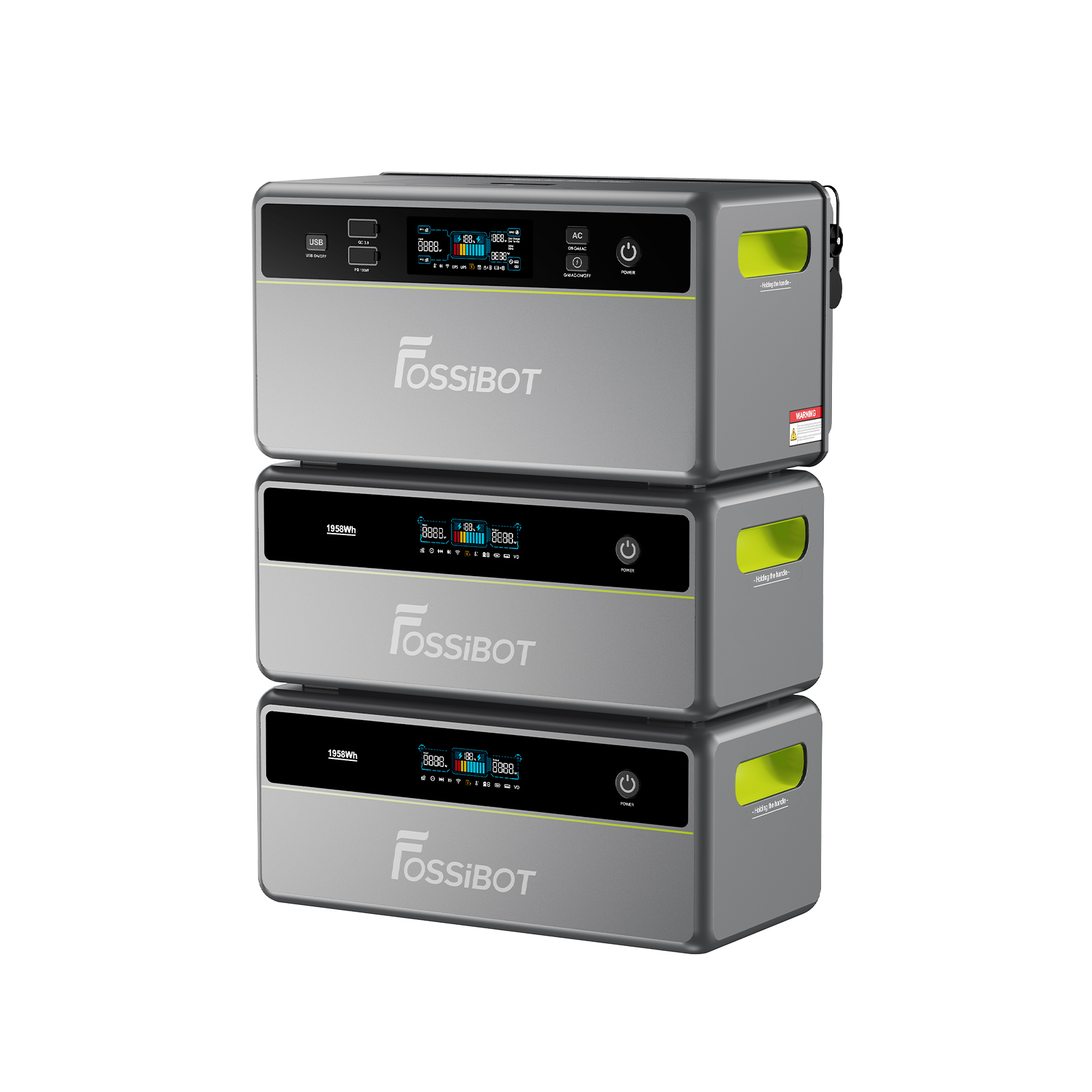
High energy bills, once regarded as an unavoidable cost of city living, are facing a challenger so compact it could fit on your balcony. Picture this: the monthly sting of utility charges suddenly softening, not with a home renovation or a new roof full of panels, but with a device barely bigger than a suitcase—engineered to slip into the life of an apartment dweller or a city homeowner. In 2026, that reality is unfolding, driven by devices like the recently announced FOSSiBOT FBP1200—a sign the balcony revolution is very much underway.
Key takeaways
- A suitcase-sized solar storage device promises to reshape city energy costs in 2026.
- AI-Powered systems learn your habits and local weather to maximize savings.
- Modular, plug-and-play solar units offer urban independence Without rooftop work.
Solar power, now personal—and smarter than ever
A generation ago, the term “solar energy” conjured visions of sprawling installations—solar farms stretching to the horizon, high upfront costs, entire roofs Transformed into arrays. Not anymore. The new wave of energy storage technology is all about scaling down: modular storage stations built for balconies, courtyards, even RVs. This is a game explicitly about democratizing access. You don’t need an acre. You don’t even need your landlord’s approval for rooftop work—just a patch of balcony, a plug, and a bit of sun.
The FOSSiBOT FBP1200, for example, isn’t just storing solar energy—it’s doing it with the brains of an AI assistant. By continuously analyzing household habits, local weather, and even the latest electricity prices, these systems promise to wring maximum value out of every sunny hour. The software orchestrates when to charge, when to store, and when to release power to your home. The result? Up to a 42% reduction in monthly energy bills, according to the manufacturer. Even converted into dollars, that’s often the equivalent of a yearly beach vacation—or the rent for an extra month in a competitive city.
Plug-and-play independence for city dwellers
Urban life, for all its amenities, comes with a dependency on grid infrastructure. Brownouts and peak pricing are inconvenient at best, paralyzing at worst. Now, modular solar stations are taking a direct shot at that vulnerability. Unlike the lumbering battery stacks of the past, these compact units slip next to a barbecue grill or a flowerpot. No technicians required, no specialized installation. Just slot in the station, connect the panels, and let the algorithms do the rest.

One key word here: modularity. Need more Storage for a growing household or a weekend away? Add another module. Want smart integration—linking your new balcony battery to a home assistant or energy management app? New models are designed for precisely this flexibility. And it’s not just about backup during blackouts. By targeting the expensive peaks (those dreaded summer afternoons when every AC is running), these systems help households skip the worst of dynamic energy pricing. Consumers in regions with volatile tariffs—think California or parts of Texas—have already seen firsthand how much these peak periods impact the bottom line.
Smarter use, smarter savings
Technology, left improvising, often disappoints. Today’s solar storage is avoiding that pitfall through predictive intelligence. Think of how your phone anticipates your next word, or how streaming services line up the next episode. Now, energy systems forecast the optimal moment—drawing power at the cheapest rates, storing it, then feeding it to your devices when grid prices surge. The invisible hand guiding this orchestration? Artificial intelligence, tuned by patterns unique to your home.

The software doesn’t just adapt to your evening Netflix binges or weekend laundry marathons—it learns from your city’s microclimate, the utility company’s changing rates, and even last month’s weather anomalies. In markets where the price of power can swing dramatically within hours—sometimes spiking by more than 200% in a single afternoon—the ability to “charge low, consume high” turns every kilowatt into a small act of financial rebellion. Multiply that across months, and the savings start resembling an extra paycheck, not just pocket change.
Beyond the grid: New freedoms, new anxieties
But here’s the twist: energy independence, for many, is not just about economics. American resilience was built on a dream of self-sufficiency—a little land, a little power to call your own. Balcony solar stations revive that narrative, but for a new era where homes stack upon homes. Suddenly, a whole building could hum along with a patchwork of micro-producers, each resident sheltering their own little buffer against outages or surges. That notion—total grid independence—remains a long-term goal. For now, these compact systems promise a middle path: softening outages, shaving costs, and, perhaps most importantly, handing a measure of control back to city residents too long at the mercy of rising rates and unpredictable service.

Yet, there’s another current under the surface. As more households invest in plug-and-play storage, questions bubble up about standardization, recycling old batteries, the real-world resilience of balcony panels against hail and hurricanes. Regulation is rarely nimble, and local authorities may take time to catch up with the pace of innovation. Still, consumer appetite for financial relief and autonomy appears undampened. The mere fact that a modular, AI-powered energy system sits within reach of apartment dwellers—a group long shut out of the home energy revolution—signals how radically the landscape is shifting.
One day, perhaps soon, the idea of high energy bills could feel as outdated as paying by the minute for long-distance calls. Will these compact, AI-powered solar stations make apartment blocks as self-reliant as country cabins? Hard to say. But as spring sunlight streams across another city balcony this year, it’s clear: the revolution isn’t coming. It’s already found a place to rest—right next to the basil and the bistro chair.