
While most gardeners retreat indoors during Winter‘s chill, those in the know are quietly performing Simple-vieux-t-shirt-et-vos-espaces-de-rangement-se-transforment-comme-par-magie”>Everything-while-you-re-away-hidden-signals-you-ve-been-missing”>Everything-when-i-leave-5-critical-signals-your-dog-is-sending-that-you-re-probably”>Everything“>Everything-in-winter”>One Simple act that Spring-hedges-this-2026-january-planting-trend-will-transform-your-garden-s-early”>Will Transform their outdoor spaces into bustling pollinator havens come spring. This seemingly counterintuitive approach defies conventional wisdom about garden maintenance, yet it holds the key to creating an ecosystem that butterflies and bees simply cannot resist.
Secret-climbing-plant-landscapers-don-t-want-you-to-know-about”>The Secret lies in embracing what many consider garden neglect: leaving your flower stems, seed heads, and plant debris Exactly where they are throughout the winter months. This deliberate act of restraint, known as creating overwintering habitat, provides the foundation for a pollinator paradise that will emerge with the first warm days of spring.
The Hidden World Within Winter Gardens
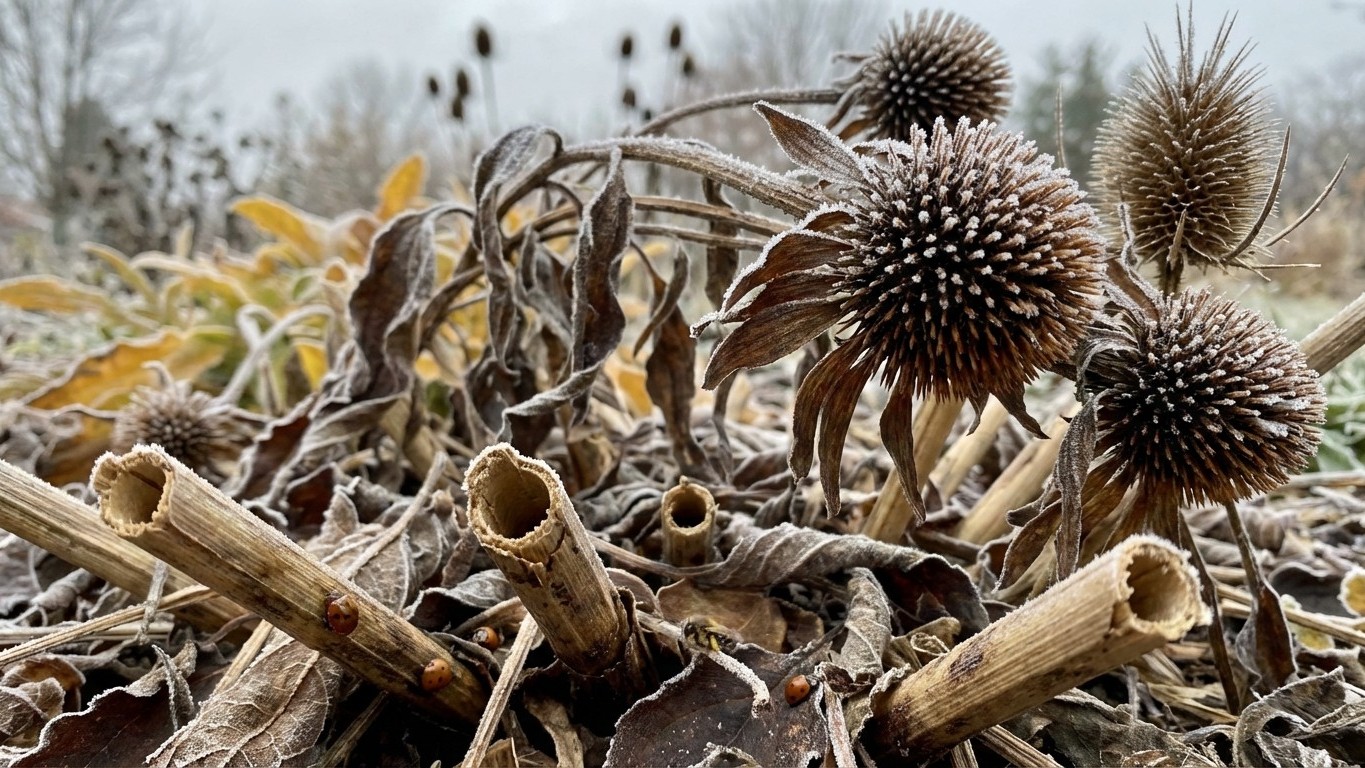
Beneath the seemingly lifeless facade of dried stems and scattered leaves, an intricate web of life persists through winter’s harshest months. Native bee species, including mason bees and leafcutter bees, have already tucked their larvae into hollow stems and plant cavities, where they’ll develop slowly until spring temperatures trigger their emergence. These natural nurseries, formed within the very plants that provided nectar and pollen during the growing season, represent the next generation of Actually-a-real-lifesaver-for-your-garden-soil-in-winter”>Your Garden’s most valuable workers.
Butterfly chrysalises and moth pupae cling to sturdy plant stems or nestle beneath fallen leaves, their transformation suspended until warming soil and lengthening days signal their time to emerge. The mourning cloak butterfly, one of the earliest spring visitors, actually overwinters as an adult, finding shelter in loose bark and plant debris. By maintaining these natural hiding places, you’re essentially providing winter lodging for the creatures that will animate your garden’s revival.
Even the seed heads that remain attached to plants serve a dual purpose. While they provide essential winter food for birds, the hollow stems beneath often house beneficial insects. Echinacea, black-eyed Susan, and ornamental grasses become Apartment-cat-is-sending-you-a-signal”>Apartment complexes for tiny tenants who will repay your hospitality with pollination services and pest control throughout the growing season.
The Spring Awakening Process
As soil temperatures begin their gradual climb in late winter, the magic truly begins. Ground-nesting bees, which comprise roughly 70 percent of native bee species, start stirring in their underground chambers. These early risers depend on the plant matter you’ve left behind, using dried grass and leaf fragments to line their nests and protect their developing broods.
The warming stems become bustling nurseries as mason bees and other cavity-nesters begin emerging from Their winter quarters. These efficient pollinators, active during cool spring weather when honeybees remain clustered in their hives, provide crucial pollination services for early-blooming fruit trees and spring wildflowers. A single mason bee can accomplish the pollination work of 100 honeybees, making their presence invaluable for both garden productivity and ecological health.
Meanwhile, the decomposing plant material creates rich organic matter that feeds the soil ecosystem. This natural composting process improves soil structure, enhances water retention, and provides slow-release nutrients that emerging plants will eagerly absorb. The result is healthier, more vigorous plant growth that produces abundant nectar and pollen to sustain the pollinator populations you’ve helped nurture through winter.
Strategic Plant Selection for Maximum Impact
While leaving any garden debris benefits pollinators, certain plants provide exceptional overwintering habitat. Ornamental grasses like little bluestem and switchgrass offer sturdy, hollow stems that remain upright through harsh weather. Their seed heads also provide winter sustenance for birds, whose presence adds another layer of ecological richness to your garden.
Native perennials such as purple coneflower, bee balm, and goldenrod create particularly valuable habitat. Their robust stems house diverse beneficial insects, while their root systems continue supporting soil organisms throughout winter. When these plants reemerge in Spring, they’re perfectly positioned to provide early nectar sources for newly active pollinators.
Even vegetables can contribute to overwintering habitat. Allowing some herbs like oregano, thyme, and lavender to remain uncut provides shelter for tiny beneficial insects while contributing aromatic elements to the winter landscape.
timing the Spring Cleanup
The key to maximizing this strategy’s effectiveness lies in patience. Resist the urge to clean up winter debris until soil temperatures consistently reach 50 degrees Fahrenheit, typically occurring in late spring. This timing allows most overwintering insects to complete their development and emerge naturally.
When you do begin spring cleanup, work gradually over several weeks rather than tackling everything at once. Cut stems to varying Heights, leaving some 8-12 inches tall to continue providing habitat for late-emerging species. Move pruned material to a quiet corner of your property rather than discarding it entirely, creating a permanent beneficial insect habitat that will continue supporting your garden’s ecosystem.
This Simple act of winter restraint transforms the entire dynamic of your garden, creating a self-sustaining ecosystem where pollinators thrive naturally. By spring, your patience will be rewarded with an abundance of butterflies dancing among flowers and the gentle hum of bees at work, all because you chose to embrace winter’s quiet wisdom rather than fighting against nature’s rhythms.