
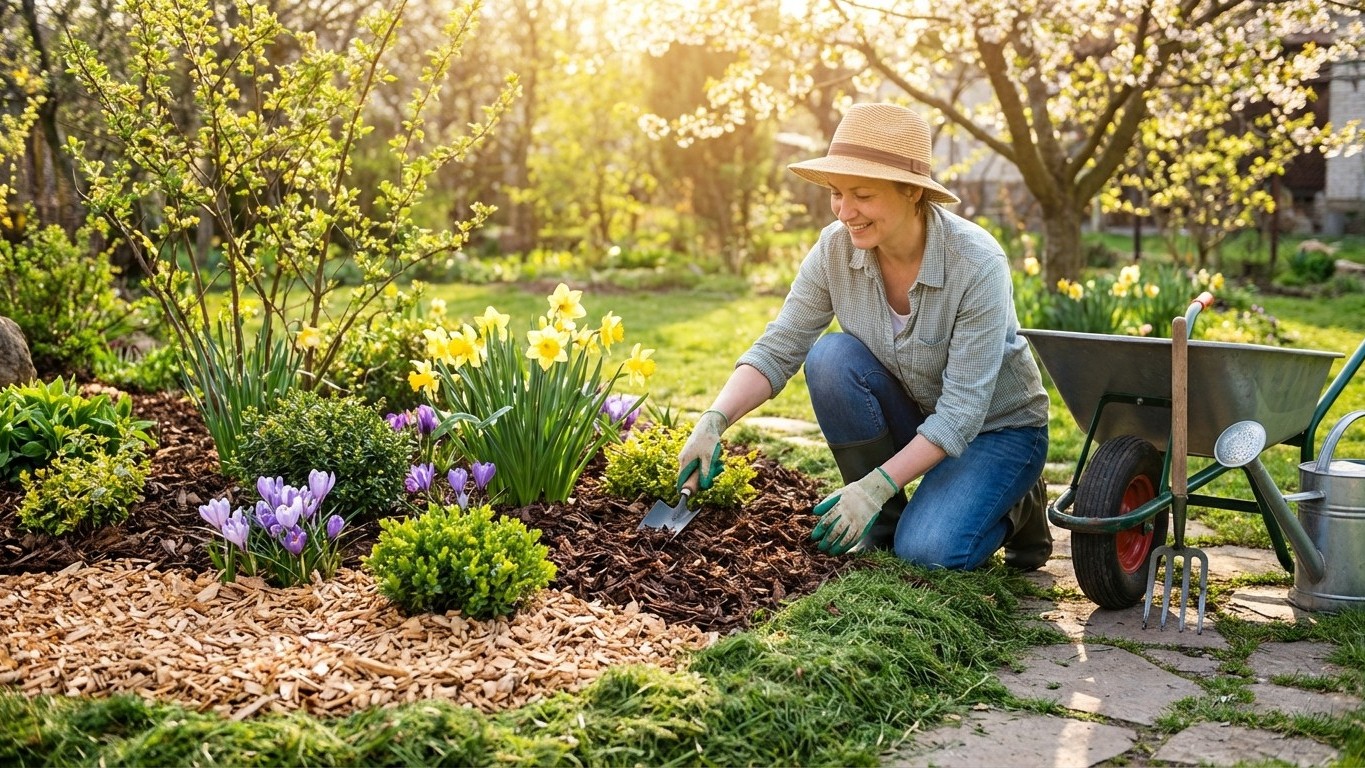
Every spring, countless gardeners bag up their yard waste, sending leaves, grass clippings, and branches off to landfills. But what if those so-called “wastes” could be Transformed into a resource that enriches your garden, saves money, and benefits the environment? Enter DIY mulch, a simple, effective way to recycle garden debris into a powerhouse for your plants.
Key takeaways
- What if your yard waste could unlock your garden’s full potential?
- Simple steps turn everyday debris into a nourishing mulch powerhouse.
- Discover Surprising benefits that extend beyond your plants alone.
Understanding Mulch and Its Benefits
Mulch is any material spread over the soil surface to retain moisture, suppress weeds, regulate temperature, and improve soil health. Organic mulches, such as those made from yard waste, decompose over time, adding valuable nutrients back into the soil. This natural recycling process enhances plant growth. Also, reduces the need for chemical fertilizers.
Transforming Yard Waste into Mulch
Creating your own mulch from garden waste is straightforward and requires minimal tools. Here’s how you can repurpose common yard debris:
Leaves
Autumn leaves are abundant and make excellent mulch. Instead of raking and bagging them, mow over dry leaves to shred them into smaller pieces. This method allows the leaf fragments to decompose quickly, enriching the soil with nutrients and improving its structure. Regular mowing during leaf fall ensures the pieces are small enough to integrate seamlessly into the lawn, providing a natural fertilizer boost.
Grass Clippings
Grass clippings are rich in nitrogen, an Essential nutrient for plant growth. After mowing, leave the clippings on the lawn to decompose, a practice known as grasscycling. This feeds the soil. Also, reduces the need for synthetic fertilizers. If you prefer to collect the clippings, they can be used as mulch in garden beds. Spread a thin layer around plants to suppress weeds and retain moisture. Ensure the clippings are free from herbicides and pesticides to avoid harming your plants.
Wood Chips and Branches
Pruned branches and woody debris can be chipped into mulch using a wood chipper. This type of mulch is particularly effective around trees and shrubs, helping to retain soil moisture and suppress weeds. If you don’t own a chipper, consider renting one or collaborating with neighbors to share resources. Alternatively, many municipalities offer free wood chips from tree maintenance programs.
Best Practices for Applying DIY Mulch
To maximize the benefits of your homemade mulch, follow these guidelines:
- Layering: Apply mulch in layers appropriate for the material. For example, a 3-6 inch layer of shredded leaves or wood chips is ideal around trees and shrubs. For grass clippings, a thinner layer of about half an inch is sufficient to prevent matting and allow air circulation.
- Avoiding Piling Against Stems: Keep mulch a few inches away from plant stems and tree trunks to prevent moisture buildup that can lead to rot.
- Monitoring Moisture: While mulch helps retain soil moisture, it’s essential to check soil dampness regularly to ensure plants are receiving adequate water.
- Refreshing Mulch: Organic mulches decompose over time. Replenish your mulch layers annually to maintain their effectiveness and continue enriching the soil.
Environmental and Economic Advantages
By converting yard waste into mulch, you’re enhancing your garden. Also, contributing to environmental sustainability. This practice reduces landfill waste, decreases greenhouse gas emissions from decomposing organic matter, and lessens the demand for commercial mulch products, which often involve transportation and packaging. Additionally, utilizing homemade mulch can lead to significant cost savings by reducing the need for purchased fertilizers and soil amendments.
Embracing DIY mulch transforms garden maintenance into an eco-friendly, cost-effective endeavor. By repurposing yard waste, you create a cycle of growth and renewal that benefits both your plants and the planet. So, next time you’re tempted to bag up those leaves or clippings, consider giving them a second life as mulch, your garden will thank you.