
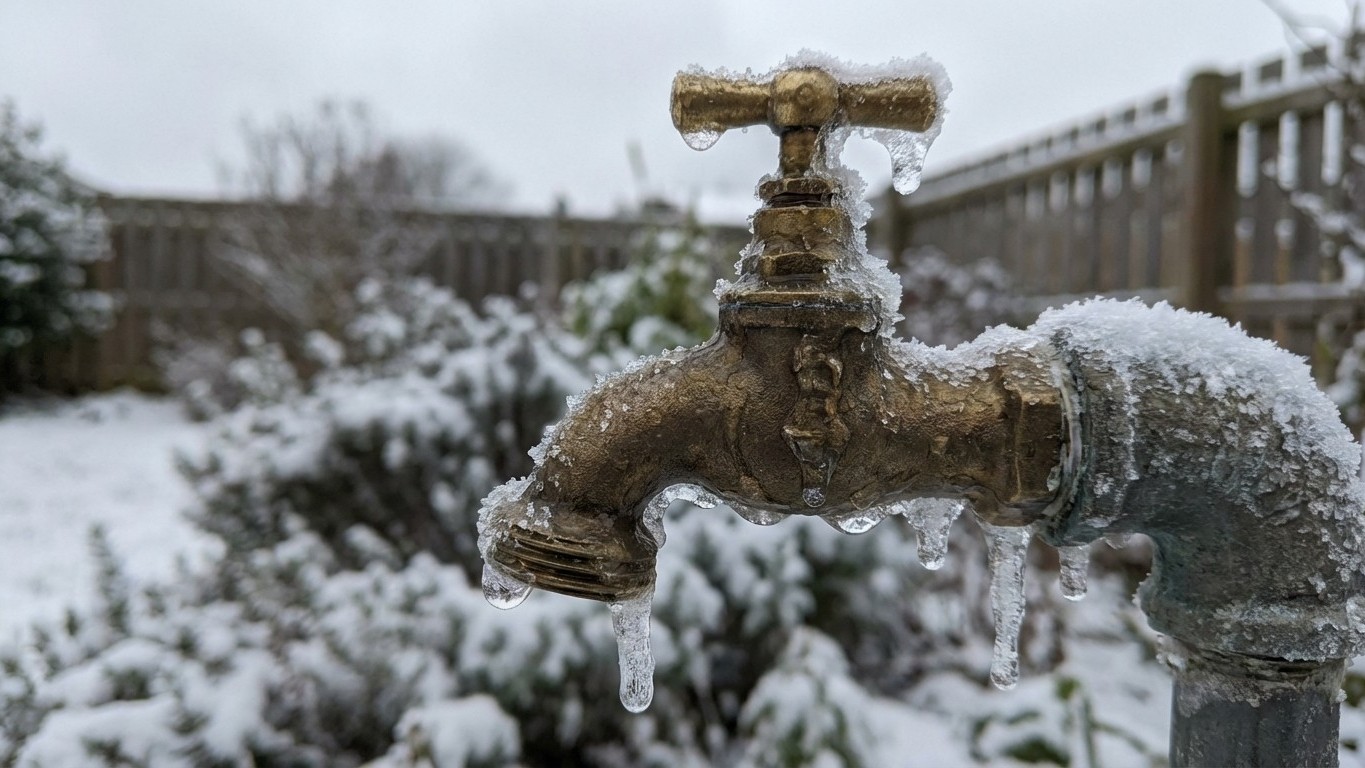
That mysterious gurgling, banging, or whistling sound coming from your outdoor faucet on a frigid winter Morning isn’t just an annoyance—it’s often your plumbing system’s desperate cry for help. When temperatures plummet and you hear unusual noises from your exterior spigots, You’re likely witnessing the early stages of a potentially catastrophic freeze-thaw cycle that could leave you with burst pipes and thousands of dollars in water damage.
The strange symphony of sounds emanating from your outdoor faucet during winter months typically signals one of several Critical issues developing within your home’s plumbing infrastructure. Understanding these audio warnings can mean the difference between a simple-vieux-t-shirt-et-vos-espaces-de-rangement-se-transforment-comme-par-magie”>Simple preventive fix and a plumbing emergency that disrupts your entire household.
The Science Behind Winter Faucet Sounds
Most outdoor faucet noises in winter stem from water expansion and contraction as temperatures fluctuate around the freezing point. When water begins to freeze inside your pipes, it expands by approximately nine percent, creating immense pressure that your plumbing system was never designed to handle. This expansion doesn’t happen silently—it announces itself through a variety of distinctive sounds that serve as early warning signals.
The most common culprit behind winter faucet noises is trapped water in outdoor spigots and the connecting pipes. Even if you’ve turned off your outdoor water supply, residual water often remains in the system. As temperatures drop, this trapped water begins its transformation into ice, creating pressure waves that reverberate through your pipes like a hydraulic telegraph system.
Temperature fluctuations also cause metal pipes to expand and contract at different rates than the surrounding materials, leading to creaking, popping, and clicking sounds. These thermal movements are natural, but when combined with ice formation, they can create the perfect storm for pipe failure.
Decoding the Different Types of Noises
A rhythmic banging or hammering sound, often called “water hammer,” indicates that ice is forming unevenly within your pipes, creating blockages that force water to slam against these frozen barriers. This hammering effect can quickly escalate from a minor annoyance to a pipe-bursting catastrophe if left unaddressed.
Gurgling or bubbling noises suggest that air pockets are forming as water freezes and expands, displacing the normal flow patterns within your plumbing system. These sounds often precede complete blockages and should be taken as an urgent warning that intervention is needed.
High-pitched whistling or squealing typically occurs when partially frozen pipes create restrictions that force water or air to move through increasingly narrow passages. This phenomenon is similar to how a tea kettle whistles, but in your plumbing system, it signals that complete blockage—and potential pipe rupture—may be imminent.
Crackling or popping sounds are perhaps the most ominous, as they often indicate that ice is actively forming and expanding within your pipes. These sounds represent the actual stress being Placed on your plumbing materials and suggest that structural damage may already be occurring.
Immediate Actions to Prevent Disaster
When You hear these warning sounds, time becomes your most valuable ally. The first step is to locate your main water shutoff valve and be prepared to use it if you notice any signs of leaking or if the noises intensify dramatically. Knowing where this valve is located Before an emergency occurs can save precious Minutes when every second counts.
Apply Gentle heat to the affected outdoor faucet and any accessible connecting pipes Using a hair dryer, space heater, or warm towels. Never use open flames, as this creates a serious fire hazard and can cause rapid expansion that might burst your pipes instantly. The goal is gradual, controlled warming that allows ice to melt slowly and pressure to equalize.
If possible, slightly open the outdoor faucet to allow any melting water to escape, which helps relieve pressure building up behind ice blockages. Even a small trickle can prevent the hydraulic pressure from reaching catastrophic levels.
Long-term Prevention Strategies
Professional plumbers consistently Recommend installing frost-free outdoor faucets, also known as freeze-proof spigots, which are designed with the valve mechanism located inside your heated home rather than in the exposed outdoor portion. This design prevents Water From remaining in the vulnerable exterior section where freezing typically occurs.
Proper seasonal preparation involves completely draining your outdoor water lines before the first freeze. This process includes shutting off the indoor valve that supplies your outdoor faucets, opening the outdoor spigots to drain remaining water, and leaving them open throughout the winter months to allow any residual moisture to expand safely.
Insulating outdoor faucets with specially designed covers or wrapping them in towels and plastic bags provides an additional layer of protection during extreme cold snaps. However, insulation should never be considered a substitute for proper drainage and seasonal shutdown procedures.
The strange noises coming from your outdoor faucet are rarely random occurrences—they’re your home’s way of communicating that immediate attention is needed. By understanding these warning signals and responding quickly with appropriate preventive measures, you can protect your property from the devastating effects of frozen pipes while ensuring your plumbing system remains functional throughout even the harshest winter conditions. Remember, a small investment in prevention today can save you from major repairs and water damage tomorrow.