
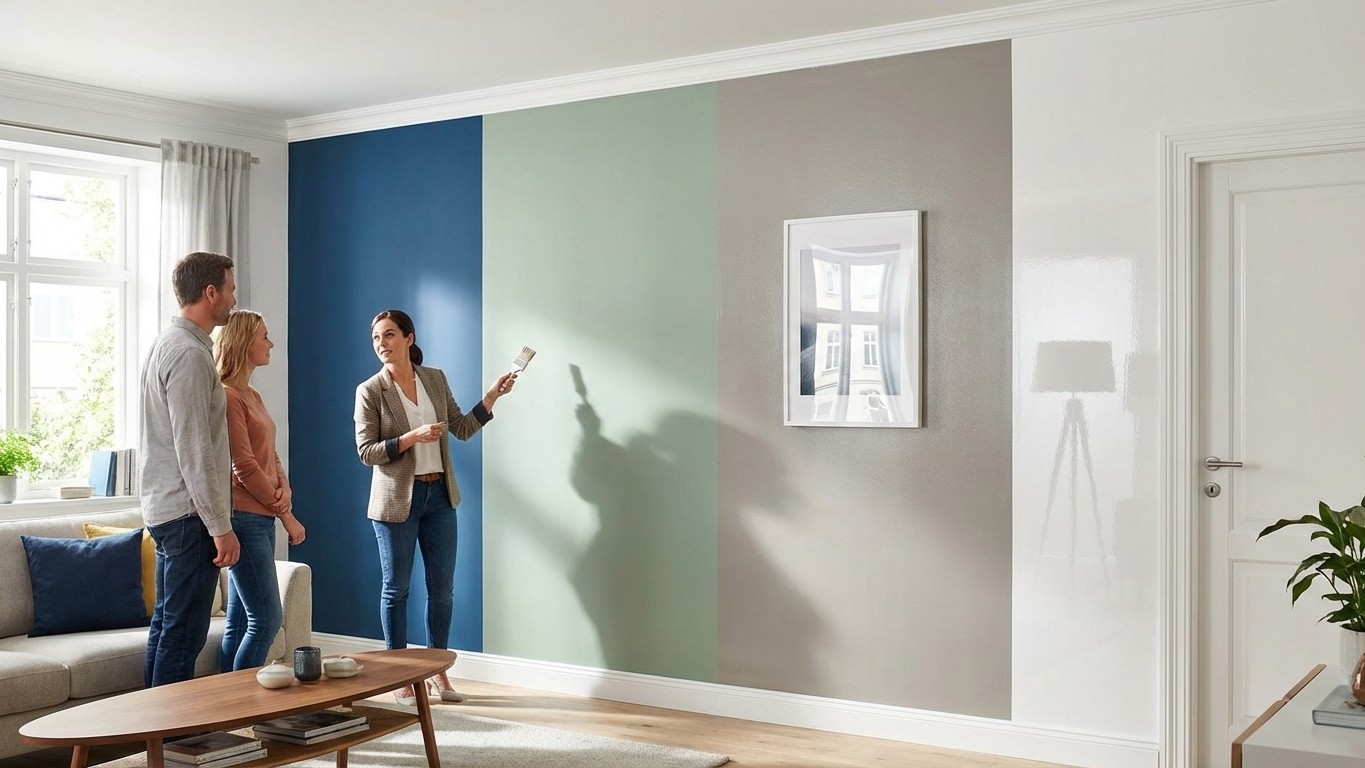
Three weekends. That’s how long it took to paint the living room, two people, latex gloves, and seven rolls of frog tape. The ritual was unchanged each time: I picked up the color swatches, stared at them in the afternoon sun, and always, inevitably, whispered the same sentence at the paint counter: “Matte finish, please.” Gloss seemed old-fashioned, satin felt risky, but matte? Safe, forgiving, cozy. The kind of wall that swallows fingerprints, or at least hides them until you move out.
But my loyalty to matte now feels less like wisdom and more like sleepwalking. The wake-up call came in the form of a decorator, bustling into my world with a drop cloth over one arm and an opinion that gently detonated my assumptions. Her rule, so simple it bordered on obvious: “Match the paint finish to the room’s purpose, never to your fear of shine.” Six words that undid years of default choices, and by the time she finished explaining, my understanding of paint had permanently shifted.
Key takeaways
- Why matte paint has been the default choice for years.
- A decorator’s simple rule that challenges traditional paint habits.
- How different finishes suit different rooms for lasting beauty.
The Comfort Zone of Matte: Why We Keep Choosing It
Matte paint, for the uninitiated, is the wall equivalent of a soft cashmere sweater, flattering, forgiving, and versatile. Ask any paint store in America, they’ll tell you: matte and its close cousin, eggshell, outsell glossy finishes two to one. Walk through a model home and you’re likely admiring matte walls, carefully chosen for their ability to hide imperfections and soak in light, not bounce it.
This preference has roots in practicality. Apartment dwellers fear their clumsy patch jobs will shine under glossy paint. Families with young kids want to avoid the “hospital corridor” gleam. And for years, the paint industry leaned into the trend, whole marketing campaigns built around “velvet finishes” and “chalky sophistication.” The result? Our homes became showcases for the subtle, understated aesthetic. No drama. No risk.
But like an old favorite sweater, matte has its limitations. Think pizza sauce splatters in a busy Kitchen or little handprints tracing the hallway, matte absorbs these moments, both literally and figuratively. Try wiping it down and you’re rewarded with a halo, the ghost of every attempted cleaning.
The Decorator’s Rule: Function First, Not Finish
The decorator, seasoned by renovate-and-repeat experience, drove the point home with a practical example. Imagine two identical houses. One owner picks matte for every room, the other follows a more strategic plan. In the bathroom, condensation hangs in the air like an unwelcome houseguest. On matte walls, this is an invitation for peeling and mildew, while a washable satin or semi-gloss shrugs it off. Only one of those bathrooms will survive five years, without repainting, at least.
Every room, she argued, tells its own story. Kitchens: a daily dance of splashes and spills, in need of enamel muscle. Entryways: high-traffic, vulnerable to muddy boots and umbrellas, better served by walls that can take a scrubbing. Bedrooms and sitting nooks? Here, matte still rules, softly absorbing the morning light, offering peace instead of glare. By matching the finish to the challenges of the space, rather than our instinct to avoid shine, we move from playing defense to building a home that works for real lives.
Sheen Isn’t (Always) the Enemy
Gloss, historically the domain of grand staircases and ornate woodwork, can be intimidating in the wrong context. But it also unlocks possibilities. Sun-dappled hallways painted in satin seem to glow from within, transforming traffic zones into spaces that feel intentionally designed. In contemporary design, a single glossy accent wall can anchor a room, creating depth and movement with nothing but a shift in finish. There’s a reason art galleries rarely choose completely matte: reflected light animates both space and color.
Think about the last time you were in a restaurant bathroom with deep blue, almost lacquered walls, a choice as deliberate as the plating of the food. That’s sheen, not shouting for attention, but lending drama and durability in a high-use, high-cleaning environment. At home, a well-chosen glossy baseboard does more than protect from scuffs; it frames a room like the mat around a favorite print.
For those who imagine shine equals tackiness, the decorator reminded me of Scandinavian apartments where white gloss makes tiny spaces feel three shades larger. Or historic brownstones, their original trim restored to a perfect, reflective finish, proof that sophistication and gloss aren’t strangers at all.
Making the Right Choice for Your Space
After that conversation, my next paint shopping trip felt different. Instead of autopilot, I stood in the aisle longer, considering each room’s true personality. The hallway got a soft satin, easy to wipe down after a rainy day. The bathroom, a semi-gloss, no longer peeling from every steamy shower. Only the bedroom remained safely matte, a cocoon for sleep and soft light.
For anyone facing the paint finish dilemma, there’s a rule now echoing in my head: function shapes finish. Matte belongs where you seek calm and quiet, a gentle background for living. Satin and gloss earn their place in the high-drama zones, kitchens, trim, bathrooms, the spaces where life leaves a mark.
And maybe, that decorator’s advice runs deeper than paint. We often choose out of habit or aversion rather than possibility. Maybe the shine we’ve avoided all this time could bring out something new, not just in our homes, but in our routines, our willingness to try. Next time you’re holding a paintbrush, ask yourself: what does this room really need? The answer might be less about what hides, and more about what reflects.