
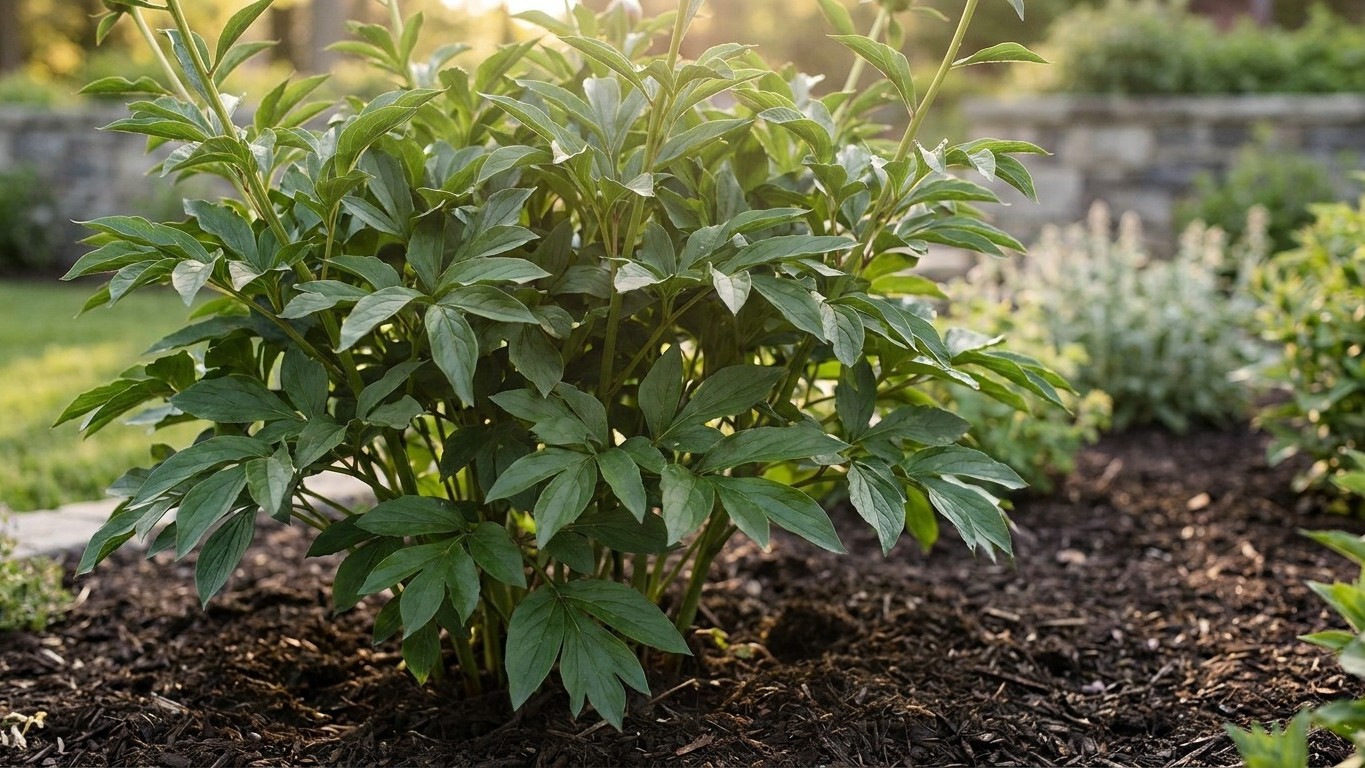
Peonies are one of the most forgiving perennials in any garden, until you misunderstand how they grow. For three years running, a gardener in Connecticut made the same mistake: cutting her peonies all the way to the ground in early June, right after bloom, believing it kept the bed looking clean and encouraged better flowers the following year. The third spring, that spot stayed bare longer than usual. Then came a handful of weak red shoots, no buds, and by May, nothing worth photographing. The plants weren’t dying. They were exhausted.
Key takeaways
- A gardener’s innocent tidying habit turned a thriving peony bed into an empty spring spot
- The plant’s most critical work happens after flowers drop—and you’ve probably been interrupting it
- One timing adjustment can bring 50 years of continuous blooms back to a struggling plant
What the plant is actually doing after the flowers drop
Most people treat peonies like annuals once the blooms fade. The flowers go brown, the petals drop, and the instinct is to tidy up. But cutting the foliage down in June, or even July, interrupts the most important phase of the plant’s year. After blooming, peony foliage works overtime to photosynthesize and push energy back into the root system, building the carbohydrate reserves that will fuel next year’s flowers. This process runs from June all the way through September in most temperate climates.
Think of it like charging a battery. The leaves are the solar panels. Cut them in June and you’re unplugging the charger at 30%. The plant survives, but it goes into winter underpowered. Do it two or three years in a row, and that deficit compounds. The root system, which in a mature peony can extend 18 to 24 inches deep and live for decades, begins to show the strain.
The Connecticut gardener’s plants weren’t new, they’d been in the ground for over a decade and were likely inherited from a previous owner. That’s the other twist: established peonies can mask the damage of one bad season. It’s only after repeated stress that the empty spring bed finally delivers its verdict.
When to actually cut peonies back (and how far)
The right window is fall, not summer. Once a hard frost has blackened the foliage, usually late October to November depending on your zone, cut the stems down to about 2 to 3 inches above the soil. At this point, the plant has finished its seasonal work and the foliage is no longer contributing anything useful. Removing it also eliminates overwintering habitat for botrytis blight, the fungal disease that causes soft, gray-molded buds and stems in early spring. Botrytis thrives in old plant debris left on the ground through wet winters.
Mid-season deadheading is a different matter entirely. Removing spent flowers, just the bloom head, cutting back to the first set of healthy leaves — is fine and actually tidies the look without sacrificing foliage. This is the nuance most gardeners miss: deadheading blooms is good practice, cutting stems to the ground is the problem. The difference in stem length between those two cuts is small. The difference in plant health the following spring is not.
If aesthetics are the issue and the floppy green mounds bother you through July and August, the cleaner approach is to grow peonies alongside later-blooming perennials, black-eyed Susans, Russian sage, or ornamental grasses, that fill in around them visually while the peony foliage does its quiet work behind the scenes.
The depth-planting mistake that makes everything worse
There’s a second error that compounds the cutting problem, and it’s baked into how many peonies are sold. Planting the eyes (the pink growth buds on the root) too deep is one of the most common reasons peonies refuse to bloom. The standard guidance is no more than 1 to 2 inches of soil above the eyes in most climates : 1 inch in warmer zones. Deeper than that and the plant will grow lush foliage year after year with few or no flowers.
Nurseries sometimes sell bare-root peonies with minimal instructions, and gardeners, assuming deeper means more stable, bury them 4 or 5 inches down. The plant survives. It just doesn’t bloom, or blooms poorly, for years. Combined with aggressive summer cutting, you get a plant that looks green and healthy in August but delivers almost nothing in May.
Fixing a too-deep planting means digging the whole root up in early fall, a task that requires a serious spade given how substantial a mature root becomes. It’s disruptive, but it works. Gardeners who’ve done it consistently report blooms returning within one to two seasons after correction.
What a thriving peony actually needs
Beyond timing and depth, the conditions peonies prefer are worth understanding plainly. They want at least six hours of direct sun, fewer hours and you’ll get foliage, not flowers. They prefer well-drained soil; sitting in wet ground over winter damages the roots and creates the exact conditions botrytis loves. They don’t need much fertilizer, and too much nitrogen (from heavy lawn feeding nearby, for example) pushes leafy growth at the expense of blooms.
The ants you see crawling over the buds aren’t harmful, they’re feeding on nectar secreted by the buds and don’t affect flowering in any direction. That’s a persistent myth worth putting to rest.
One concrete upside of getting the timing right: peonies that are left to complete their full growing cycle reliably, in well-drained soil with adequate sun, can bloom for 50 years or more without being divided or replanted. There are documented garden specimens in New England and the Midwest that have been flowering continuously since the 1930s. The plant doesn’t ask for much, it mostly asks not to be interrupted.