
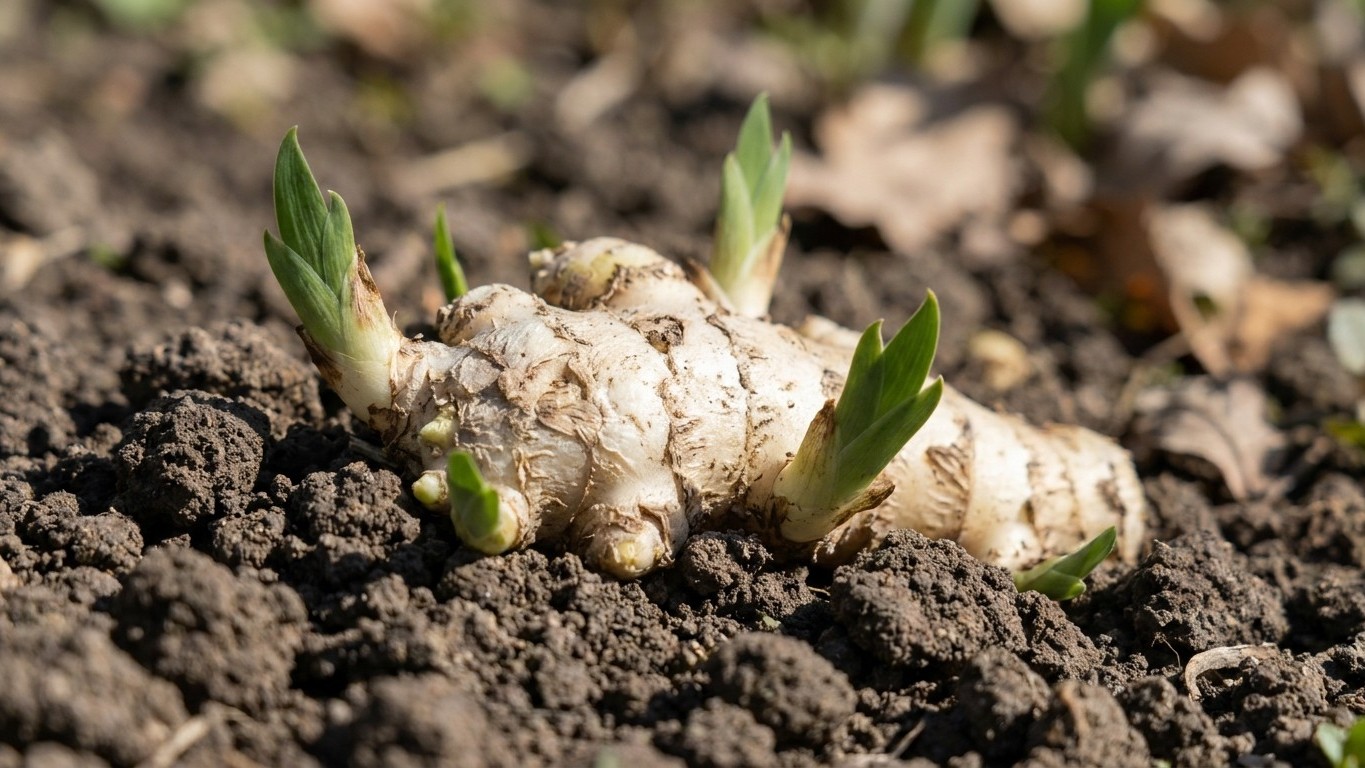
Three years. Thirty-six months of watering, waiting, and quietly blaming the weather. The irises in the front bed showed nothing but green fans of leaves, healthy, lush, almost mocking. Then one afternoon, out of curiosity more than diagnosis, I pulled back the mulch and dug up a rhizome. What I found explained everything: a pale, slightly soft, sun-starved root that had been slowly suffocating under four inches of wood chips since the day I planted it.
The mistake is so common that nursery staff hear some version of this story almost every spring. Gardeners who mulch everything, tomatoes, perennials, shrubs, apply the same logic to irises without knowing that bearded irises, the most widely grown type in American gardens, operate by a completely different set of rules. They are not just drought-tolerant. They are engineered to bake.
Key takeaways
- A gardener’s decades-long iris mystery solved by one curious dig into the soil
- Why the mulching habit that saves most gardens actually triggers bacterial rot in iris rhizomes
- The surprising reason some regions struggle with iris blooms while others see them proliferate—and it’s not what you’d expect
Why iris rhizomes need to see the sun
The rhizome is not a bulb. This distinction matters more than most gardening guides make clear. Bulbs store energy underground and thrive with insulation above them. Rhizomes are modified stems that grow horizontally at or just below the soil surface, and for bearded irises, at least half of the rhizome should sit above ground, fully exposed to sunlight. That sun exposure is what triggers the hormonal chain reaction that leads to bloom production. Without it, the plant keeps producing foliage. It is not dormant. It is not diseased. It is simply missing the thermal cue it needs.
Research from university extension programs, including work published through the University of Missouri Extension, has long confirmed that bearded iris rhizomes require direct sun on their tops to bloom reliably. When mulch covers them, soil temperatures around the rhizome stay too cool and too moist. The plant interprets this as shade, a signal that conditions are wrong for reproduction. So it waits. And waits. And your garden stays stubbornly green.
There is also a rot risk. Iris rhizomes are vulnerable to bacterial soft rot, caused by Erwinia bacteria that thrive in exactly the warm, damp, oxygen-limited environment that thick mulch creates. A buried rhizome is not just unproductive, it is one wet summer away from turning into a foul-smelling mush. Dig one up after a rainy season under mulch, and the smell will tell you immediately that something has gone wrong.
How to fix three years of damage without starting over
The good news is that irises are remarkably forgiving once the problem is corrected. If the rhizomes are still firm to the touch, no soft spots, no discoloration beyond normal tan skin, they can be rehabilitated in place. Start by pulling back all the mulch from around the clump, not just thinning it. The goal is bare soil with the tops of the rhizomes exposed to direct light. Rake the area clean and resist the urge to replace even a thin layer.
If the clump has been in the same spot for more than three or four years, this is also a good moment to divide it. Overcrowded rhizomes compete for resources and bloom poorly even under perfect conditions, a single original plant can produce a cluster the size of a dinner plate within four years, with the central, oldest sections dying out and the productive new growth happening only at the edges. Dig the whole clump, discard the woody center, and replant the younger outer fans with their rhizomes sitting proud of the soil surface, barely covered at the base.
Timing the division matters too. Late summer, roughly six to eight weeks after bloom season ends, gives the divisions enough time to establish before frost without the stress of summer heat. Planting in spring works but sacrifices that season’s blooms almost entirely.
What to mulch instead, and where irises actually want to live
The irony of the mulching instinct is that it comes from a genuinely good place. Mulch conserves moisture, suppresses weeds, and moderates soil temperature, all things that benefit most garden plants. The problem is that “most garden plants” does not include bearded irises, and treating every bed with the same protocol is how three-year-long bloomless seasons happen.
Irises want full sun, at least six hours, with eight being better, in lean, well-drained soil. They actually perform worse in rich, heavily amended beds. A sunny slope with average soil often produces better blooms than a pampered raised bed loaded with compost, because the drainage is superior and the rhizomes stay dry between rains. If your bed retains water after heavy rain, the rhizomes are at risk regardless of mulch.
Between iris clumps, where bare soil feels untidy, a very light application of fine gravel or decomposed granite can work as a cosmetic ground cover without trapping moisture against the rhizomes. Some gardeners underplant with low, creeping thyme or ajuga, plants that stay flat, dry out quickly, and do not compete aggressively for nutrients. The goal is to keep the rhizome tops open to air and light while managing the soil in between.
One detail that rarely makes it into standard planting guides: after a very hot, dry summer, irises often bloom more prolifically the following spring. The heat stress, counterintuitively, is part of what sets the flower buds. Gardens in the Pacific Northwest sometimes struggle with iris blooms for exactly this reason, mild, cool summers do not deliver the thermal kick that triggers bud set. If you garden in a consistently mild climate, choosing Siberian or Japanese iris varieties, which are built for cooler and wetter conditions, will save you years of puzzled waiting.