
Landscapers across drought-prone states are quietly abandoning traditional turf for a low, spreading groundcover called Kurapia, and the numbers explain why. Once established, Kurapia requires very little irrigation, typically about 60% less than traditional lawns. In a state where water bills keep climbing and cities keep tightening restrictions, that single statistic has turned a niche Japanese import into the default recommendation for new installs from Sacramento to Las Vegas.
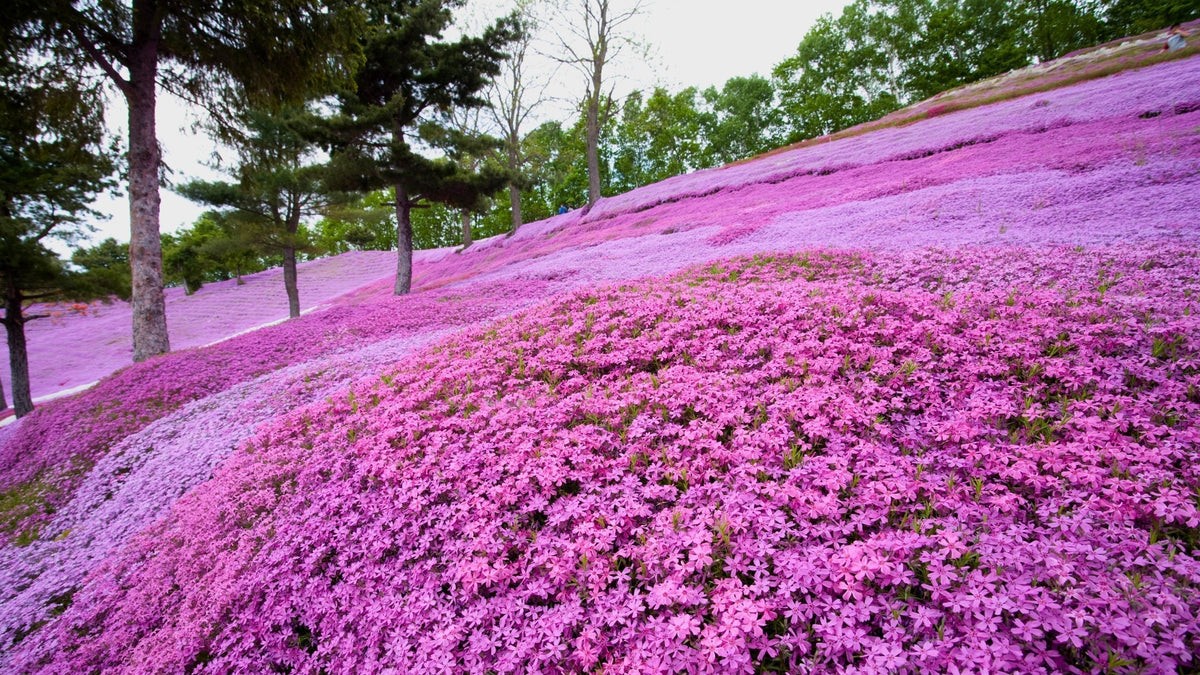
The plant itself has an unusual backstory. Kurapia was developed in Japan by H. Kuramochi and was perfected at Utsunomiya University, taken from a variety of Phyla that grows natively in Japan. It’s not a grass at all. It’s a perennial broadleaf groundcover that flowers from spring to fall and can grow 3 inches tall, loving heat and sun. Left alone, it spreads into a flowering mat studded with tiny white or pink blossoms. Mowed, it flattens into something that looks and feels remarkably like a manicured lawn, minus the weekly gas-mower ritual.
Key takeaways
- A drought-resistant groundcover from Japan is becoming the default choice for landscapers in water-restricted regions
- One Southern California installation cut watering from daily to just 10 minutes twice weekly after replacing 1,600 sq ft
- Financial rebates up to $5 per foot make switching from traditional grass increasingly affordable for homeowners
Why installers can’t stop talking about it
Ask any landscaper who’s put Kurapia down on a real project and the same word comes up: resilience. One Texas designer tested it on their own property and saw it fully fill in within three months, withstanding both human and pet traffic. A Southern California job told a similar story: after replacing 1,600 square feet of lawn, watering dropped to just 5 minutes, twice a week. That’s not a rounding error. That’s the difference between running sprinklers daily and barely thinking about the hose.
The disease and pest resistance matters just as much to maintenance crews, even if it gets less attention than the water savings. The plant is resistant to most pests, highly disease tolerant, and requires little to no fertilization. Fewer chemical treatments mean fewer callbacks, which is exactly the kind of math that convinces commercial property managers to switch entire medians and business parks over, not just backyards.
It also survives conditions that would fry a typical fescue lawn. One customer described it withstanding “the intense heat (109-115) of summer months” without special care. And when winter hits, the plant doesn’t necessarily die, it just pauses. It’s best suited for USDA Zones 7b and warmer, where it maintains green coverage throughout much of the year; in colder climates, the top foliage may go dormant, but the roots persist, ready to bounce back in spring.
The fine print landscapers won’t always mention
None of this makes Kurapia a miracle plant, and honest installers will tell you so. It struggles where cold snaps arrive without warning. The biggest drawback of kurapia is that it’s not frost-hardy and will die back during frosts and freezes, though it’ll come back in the spring if it is well established. That rules it out as a year-round solution for much of the Midwest and Northeast, where a fescue blend or a native sedge still makes more sense.
Foot traffic is another asterisk. Some installers market it as tough enough for kids and dogs, but others are more cautious. It tolerates full sun, partial shade, and light foot traffic, but it is not a ground cover for kids to play on, according to one San Diego landscaping firm’s own guidance. If your yard doubles as a soccer field every weekend, that’s worth knowing before you tear out the old lawn.
Establishment also takes patience and, ironically, a fair amount of water up front. Establishment takes approximately 21-30 days between March and September and requires regular irrigation, and once established, the water requirement can be maintained at 50% of the evapotranspiration versus 80% for cool season fescue. Skimp on watering during that first month and you’ll end up with patchy coverage instead of the dense mat everyone promises in the before-and-after photos.
It’s not the only lawn on the way out
Kurapia is getting the spotlight this year, but it’s part of a broader shift away from thirsty turf. Clover has quietly become a suburban favorite because it provides a soft, thick mat that’s resistant to drought and foot traffic, requires little mowing, and recovers quickly from wear. Creeping thyme appeals to a different crowd, mostly for the smell underfoot, though a lawn-care source notes that creeping thyme requires patience because it fills in slowly, and the first year usually involves more weeding than people expect. Buffalo grass and various native sedge mixes round out the shortlist for homeowners who want something that still resembles grass but drinks a fraction of what fescue does.
The financial incentive is real too, and it’s not limited to California. In Nevada, the Southern Nevada Water Authority’s Smart Water Rebate program offers up to $5 per foot for replacing traditional grass with drought-tolerant Alternatives like Kurapia. Multiply that across a typical 1,500-square-foot front yard and the rebate alone covers a meaningful chunk of installation costs, before you even factor in the water bill savings that follow every month after.
What’s happening in front yards right now isn’t really about aesthetics. It’s a quiet recalculation of what a lawn is supposed to cost a household in water, fuel, and weekend hours, and for a growing number of properties, the answer is: less than anyone assumed possible five years ago.
Sources : californialawnalternatives.com | californialawnalternatives.com