
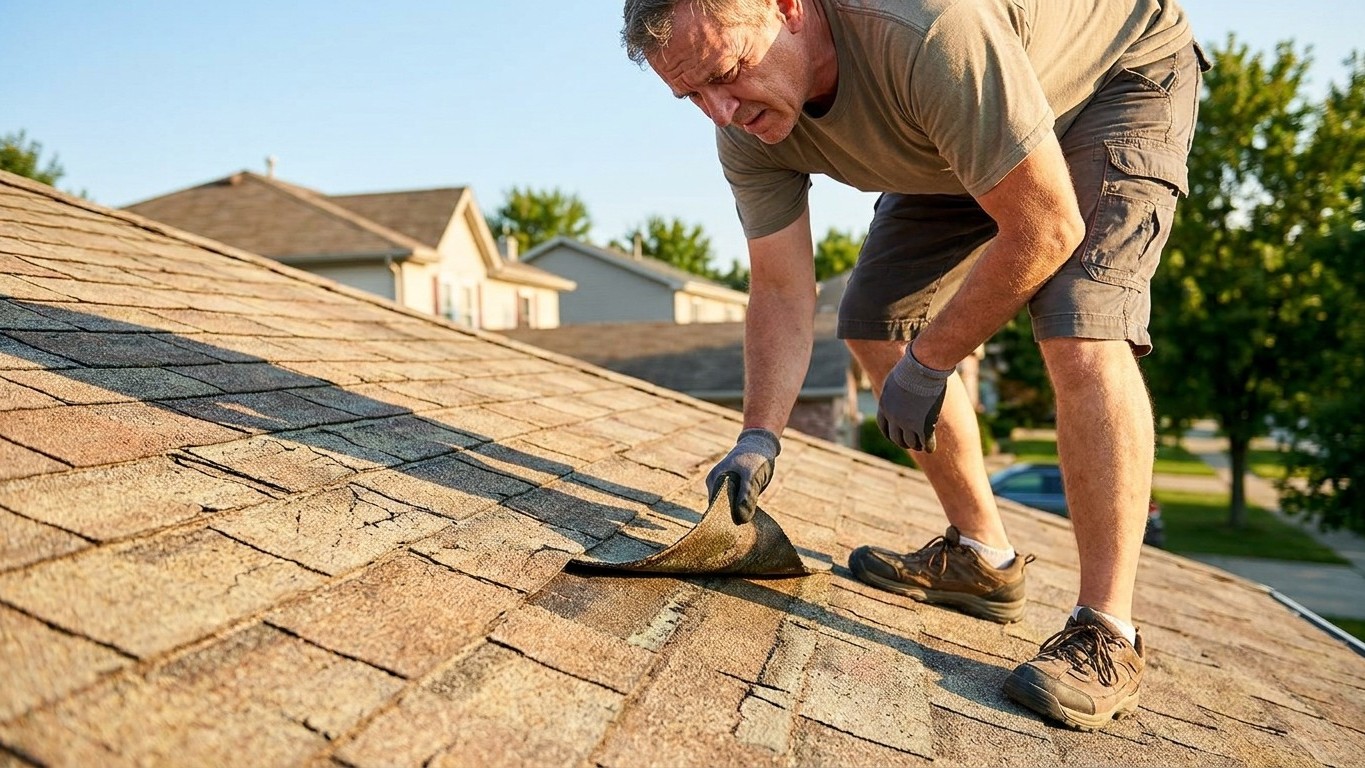
August feels like summer’s last stand, but the smartest homeowners are already thinking about October. Waiting until the first cold snap to check a furnace or clean a gutter means competing with everyone else for a technician’s time, and paying premium prices for the privilege. The tasks below take a weekend or two, cost far less than emergency repairs, and set up a home to handle whatever fall throws at it.
Key takeaways
- One scheduling decision in August could save you hundreds on HVAC repairs come October
- Summer heat damage to your roof might already be worse than you think
- The hidden energy leak in your home is probably easier to fix than you realize—but only while the weather’s still warm
Start With the Roof and Gutters
Heat and UV exposure do more damage to roofing materials than most people realize. A summer of intense sun can leave asphalt shingles brittle, curled at the edges, or missing granules entirely. Walk the perimeter of the house with binoculars, or better yet, get on a ladder if it’s safe to do so, and look for these warning signs before autumn storms arrive.
Gutters deserve equal attention, even though the real leaf drop hasn’t started yet. Summer debris, seed pods, and the occasional bird’s nest can already be clogging downspouts. The Environmental Protection Agency notes that redirecting roof water away from the foundation is one of the most effective ways to prevent basement moisture problems, something that becomes far more urgent once fall rains begin in earnest. Clearing gutters now, rather than in November, means one less job competing with raking, mulching, and everything else on the autumn checklist.
Heating Systems Don’t Fix Themselves
Here’s a number worth sitting with: HVAC technicians report their busiest, most expensive weeks are the first genuinely cold ones of the season. Everyone waits, then everyone calls at once. Scheduling a furnace inspection in August, when technicians have open calendars and slower demand, often means lower rates and faster appointments.
A basic tune-up covers the filter, the thermostat calibration, and a check of the heat exchanger for cracks that could let carbon monoxide leak into living spaces. The U.S. Consumer Product Safety Commission has long recommended annual inspections of fuel-burning appliances for exactly this reason. Replacing a filter costs maybe twenty dollars. Replacing a cracked heat exchanger, or dealing with a carbon monoxide incident, is an entirely different financial and safety conversation.
Fireplace owners have their own version of this task: a chimney sweep. Creosote buildup from last winter’s fires is a genuine fire hazard, and chimney companies, like HVAC technicians, are far less busy in late summer than in November.
Windows, Doors, and the Air Sealing Nobody Thinks About
Warm weather is the ideal time to test where a home is actually losing energy, because the fixes are more pleasant to do without a cold draft blowing on your hands. Running a hand around window frames and door edges reveals gaps in weatherstripping that will translate directly into higher heating bills come winter. The Department of Energy estimates that air leaks around windows and doors can account for a meaningful share of a home’s heat loss, and caulking or replacing worn weatherstripping is one of the cheapest fixes in home maintenance, often under fifty dollars in materials for an entire house.
Screens are worth a look too, not for warmth but for the simple reason that August is when they’re still in use and easiest to inspect. A torn screen is a five-minute fix in summer. In October, once storm windows go up and screens get stored away, that small tear turns into a next-spring problem, or an invitation for insects during any unseasonably warm fall afternoon.
Attic insulation is the less glamorous cousin of window sealing, but it matters more. A quick trip up to the attic on a hot day will reveal whether insulation has settled, shifted, or been disturbed by pests. Thin spots show up clearly against thicker surrounding areas. Adding insulation now, before contractors get booked solid for fall projects, is generally far cheaper than the cost of the heat that escapes through a gap all winter long.
The Yard, the Deck, and the Small Jobs That Add Up
Wood decks and fences take a beating from summer sun the same way roofs do. Checking for graying wood, popped nails, or soft spots underfoot in August gives enough time for a fresh coat of sealant to cure before temperatures drop too low for the product to bond properly. Most exterior wood sealants have a minimum application temperature, and missing that window means waiting until spring, leaving the wood exposed to fall rain and winter freeze-thaw cycles in the meantime.
Lawn and garden work follows a similar logic. Late August is actually the better window for overseeding cool-season grasses in much of the country, since the soil is still warm enough to encourage germination but the punishing heat has started to ease. Trees and shrubs also benefit from a late-summer pruning of dead or damaged branches, removing weight that heavy fall storms or early snow could otherwise snap off entirely.
A few smaller items round out the list, and they’re easy to knock out in a single afternoon:
- Testing smoke and carbon monoxide detectors, replacing batteries even if they still seem to work
- Draining and coiling garden hoses before the first freeze catches anyone off guard
- Inspecting the foundation and exterior walls for new cracks that summer heat may have widened
- Cleaning dryer vents, a leading cause of house fires according to the U.S. Fire Administration
None of these tasks demand a full weekend on their own. Spread across a few August Saturdays, they add up to a home that’s genuinely ready for whatever September and October bring, rather than one that’s scrambling to catch up. The real payoff isn’t just avoiding emergencies. It’s the quieter satisfaction of watching the first cold front roll in and knowing there’s nothing left on the list.