
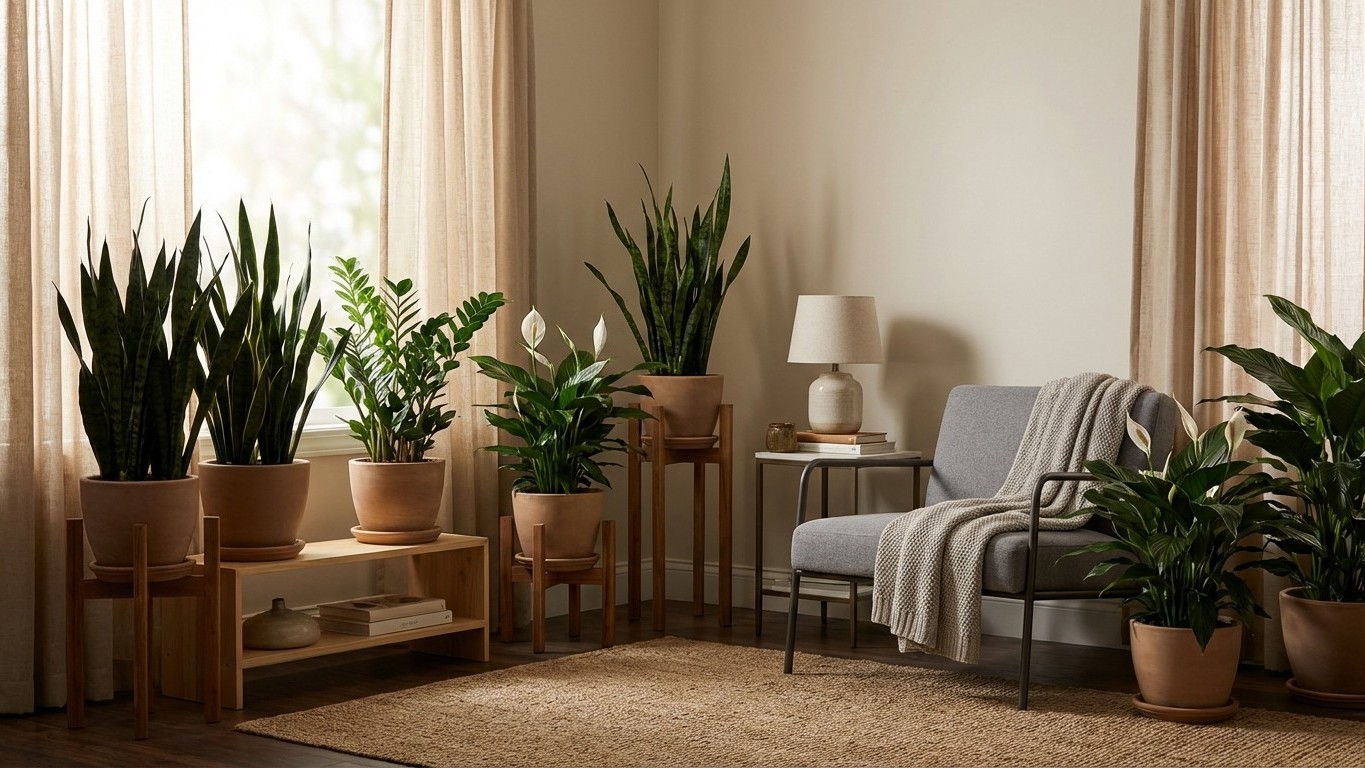
Living in a space with limited natural light doesn’t mean you have to sacrifice the benefits of indoor plants. Many homeowners resign themselves to artificial greenery or abandon the idea of plants altogether, believing their dim interiors can’t support living vegetation. This misconception keeps countless people from enjoying cleaner air and the psychological benefits that come with nurturing green companions in their homes.
The truth is that nature has provided us with remarkable plants that not only tolerate low-light conditions but actually prefer them. These shade-loving species have evolved in forest understories and other Naturally dim environments, making them perfectly suited for modern living spaces that receive minimal direct sunlight. What Makes Them even more valuable is their ability to filter harmful toxins from indoor air while thriving in these challenging conditions.
The Science Behind Low-Light Air Purification
Plants don’t need blazing sunshine to perform their air-Cleaning magic. The process of photosynthesis, while requiring some light, can occur effectively even in low-light conditions with the right species. These plants have developed larger leaves with more chlorophyll, allowing them to capture and utilize whatever light is available more efficiently than their sun-loving counterparts.
Research has consistently shown that certain indoor plants can remove formaldehyde, benzene, xylene, and other volatile organic compounds from the air. In low-light environments, these plants continue this beneficial process while requiring minimal care from their owners. The key lies in understanding which species have adapted to flourish in dimmer conditions while maintaining their air-purifying capabilities.
The snake plant stands out as perhaps the most resilient option for extremely low-light spaces. Its thick, upright leaves can survive in conditions that would stress most other plants, and it actually releases oxygen at night rather than consuming it. This makes it an ideal bedroom companion, where it continues working to improve air quality even in complete darkness.
Champions of Shade and Clean Air
The ZZ plant has gained tremendous popularity among urban dwellers precisely because it thrives on neglect and low light. Its waxy, dark green leaves reflect whatever light is available while filtering airborne toxins effectively. This plant can survive in windowless offices and dimly lit corners where other species would quickly decline.
Peace lilies offer the dual benefit of elegant white blooms and exceptional air-purifying qualities, even in low-light conditions. These plants actually prefer filtered light and will protest if placed in direct sun, making them perfect for those shadowy corners that seem impossible to green. Their large leaves work overtime to process indoor air pollutants while their occasional Flowers add unexpected beauty to dim spaces.
Chinese evergreens present another excellent option, with their variegated foliage adding visual interest to low-light areas while quietly cleaning the air. These plants are particularly effective at removing formaldehyde and other chemicals commonly found in household products and furniture. Their tolerance for low light is matched by their forgiveness of irregular watering schedules.
Cast iron plants earn their name from their virtually indestructible nature. These Victorian-era favorites can survive in extremely low light while continuing to purify air effectively. Their broad, dark green leaves are specially adapted to make the most of minimal light while processing airborne contaminants.
Creating Success in Challenging Conditions
Success with low-light air-purifying plants requires understanding their unique needs. While they tolerate dim conditions, they still need some light to survive and thrive. Positioning plants near north-facing windows or in areas that receive indirect light for several hours daily will optimize their performance.
Watering becomes even more critical in low-light environments because plants process water more slowly when photosynthesis is reduced. Overwatering becomes the primary threat to plant health in these conditions. Most shade-loving plants prefer to dry out slightly between waterings, and their slower metabolism means they can go longer periods Without water than their sun-loving relatives.
Humidity plays a crucial role in the success of indoor air-purifying plants, especially in low-light conditions. Many of these species originate from humid forest floors, so maintaining adequate moisture in the air helps them perform their air-cleaning functions more effectively. Simple solutions like grouping plants together or placing them on pebble trays can create the microclimate they need to excel.
Maximizing Benefits in Minimal Light
To maximize air purification benefits in low-light spaces, consider the size and number of plants relative to your room dimensions. Larger plants with more leaf surface area will process more air, while multiple smaller plants can be distributed throughout a space for more comprehensive coverage.
Regular leaf cleaning becomes essential for low-light plants because dust accumulation can further reduce their ability to photosynthesize and clean air effectively. A monthly gentle wipe-down with a damp cloth will keep leaves functioning at peak efficiency while maintaining their attractive appearance.
Remember that these plants are working continuously to improve your indoor environment, even when conditions seem less than ideal. Their ability to Transform dim, potentially stuffy Spaces into fresher, more livable areas makes them invaluable allies in creating healthier homes. With proper selection and minimal care, even the darkest corners of your living space can contribute to better air quality and enhanced well-being.