
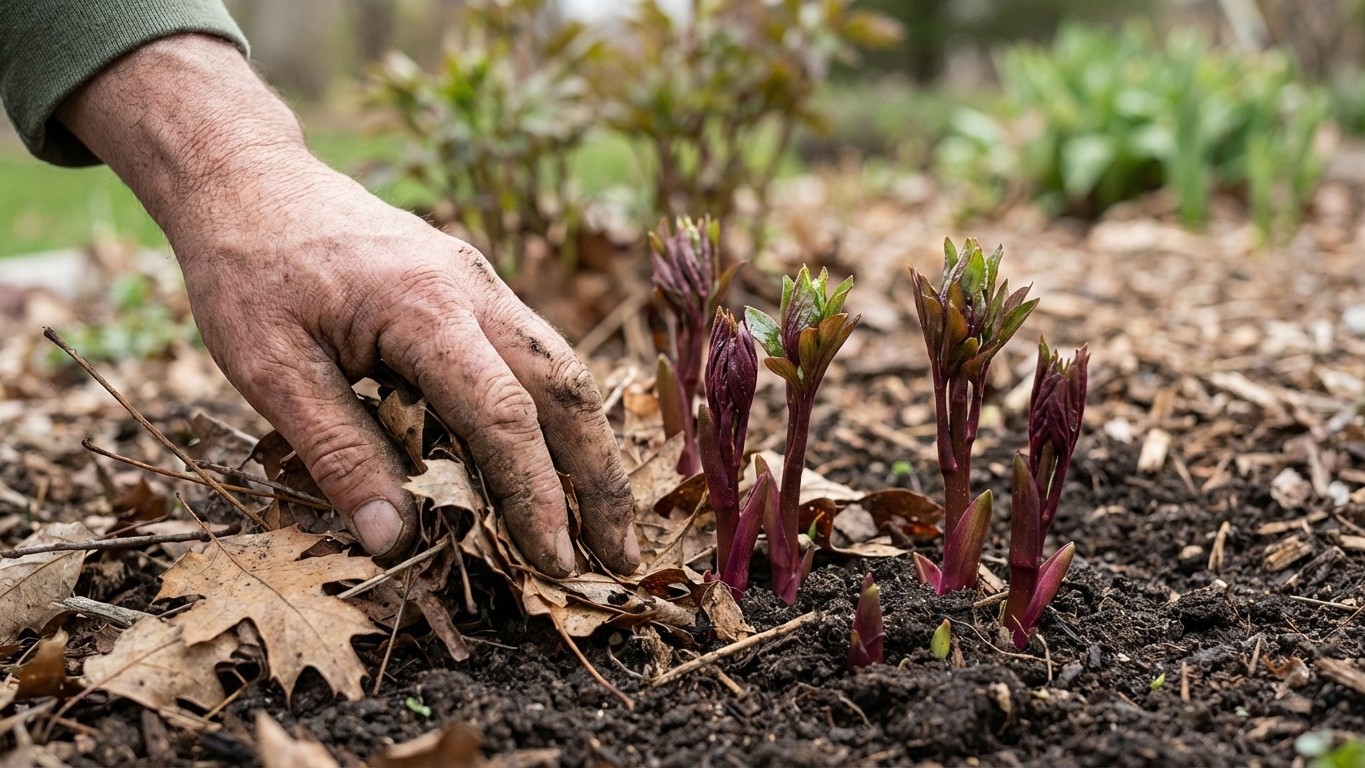
April is a month of promise in the garden. Tulips are fading, soil is warming up again, and somewhere in your flower beds, those deep burgundy shoots are pushing through the dirt with quiet ambition. Your peonies are waking up. What you do, or don’t do, in the next few days will determine whether they put on a showstopping performance or deliver a disappointing trickle of half-formed buds by June. The gesture itself takes less time than brewing a cup of coffee. But most gardeners skip it entirely.
Key takeaways
- One forgotten gesture in April leads to blackened buds and wilted blooms all summer long
- Botrytis fungus overwinters in debris at your peony’s base—and you’re probably feeding it without knowing
- Three simple moves completed in under two minutes could mean the difference between sparse buds and Instagram-worthy blooms
The one thing that silently sabotages your peonies every year
The culprit isn’t drought, poor soil, or wrong placement. Peonies are susceptible to a fungal disease known as botrytis blight, and its spores can overwinter at the base of plants or amongst garden debris. When temperatures and humidity rise in spring, the fungus spreads and grows. The problem? These fungi form black, overwintering structures called sclerotia, which can survive in plant debris left around the bases of plants. All that old mulch, dead leaves, and compressed winter debris sitting around your crowns is essentially a five-star hotel for the fungus that kills blooms before they ever open.
The 30-second gesture, done right as your peonies start emerging, is simply this: clear the base. Brush away any old leaves, leftover mulch, or debris from around the base so the new shoots get plenty of light and air. That’s it. No special equipment. No expertise required. Just your hands and a small rake, and maybe two or three minutes on a dry afternoon.
Think of it this way: your peonies have been dormant all winter, essentially holding their breath. The moment they surface, they need unobstructed access to sunlight and airflow. This simple step not only helps your plants breathe, but it also reduces the risk of fungal problems later on. While you’re at it, pull out any early weeds, peonies don’t like competing for nutrients, especially when they’re just getting started.
What botrytis actually does to your blooms
Botrytis blight is the silent wrecker of peony seasons. Botrytis blight is commonly responsible for the loss of flower blooms. When infected, peony buds will form but turn brown and die before they are able to open. You’ll spend weeks watching buds swell with anticipation, only to watch them blacken and collapse. And you’ll spend all summer wondering what went wrong.
The disease first starts on the new shoots, causing wilting and discoloration. As it progresses, it spreads to flower buds, causing them to swell and die without opening in severe cases. The irony is that the fungus often originates from debris you forgot to clear the previous fall, or winter mulch you left in place too long into spring. Do not use mulch in spring when plants are emerging. That cozy winter blanket becomes a trap. Pull it back the moment you spot those first red shoots.
To prevent botrytis on peonies, you should remove any diseased foliage from the previous year (if you didn’t already remove it in fall) and make sure that mulch doesn’t touch peony stems. This can lead to disease later in the season. The Pacific Northwest Pest Management Handbooks, a resource used by university extension programs, also recommends that removing the top few layers of soil around plants may reduce risk by removing sclerotia. A quick, gentle scrape around the crown with a small tool costs nothing and could save your entire bloom season.
Two bonus moves that take another 60 seconds combined
Once the base is clear and the shoots are breathing, two additional gestures complete your April ritual. Neither takes long. Both pay outsized dividends.
First: fertilize at exactly the right moment. Timing is key, apply a balanced, slow-release fertilizer or a layer of compost just as shoots start pushing through the soil. Keep it away from the crown, and you’ll give your plants a boost that leads to bigger buds, stronger stems, and those lush, iconic blooms. Experts recommend a low-nitrogen formula, something like a 5-10-10 or 10-20-20 ratio, because experts recommend a low-nitrogen fertilizer to encourage strong roots and exquisite blooms. Too much nitrogen, and you’ll get a lush, leafy mound with very few flowers. A classic gardening trap.
Second: install your supports now, not later. Renowned for their generous, bouncy blooms, many peony varieties can quickly become top-heavy without the right support. Staking in April helps keep stems upright and ensures the flowers are shown off to their full, elegant effect. The mistake most gardeners make is waiting until the plants are already flopping. In early spring, when the plants are still small, place supports around peony sprouts. It’s much easier to add supports like peony rings or tomato cages now than when peonies are already big and falling over.
The deeper logic behind these small gestures
Peonies are extraordinary plants. With proper care, peony plants can bloom for 100 years or more. A century of flowers from a single crown, that’s not a metaphor, it’s documented horticultural reality. Specimens have been found thriving on the sites of long-demolished homes, blooming faithfully for generations without a gardener in sight. They are, in their bones, survivors.
But surviving and thriving are different things. Peony bloom season, which can be anywhere from April to June depending on where you live, is pretty fleeting. That window is narrow. When botrytis moves in, or when the plant exhausts its energy on weeds and debris instead of building its flowering power, that window closes even faster. The plants don’t die; they just quietly underperform, year after year, while you assume it’s the variety or the climate or the soil.
There’s also the matter of what happens after blooming. Deadheading is beneficial as a means to prevent seed set. It allows each plant to direct its energy to its root system and the formation of next year’s flower crop. The logic runs all the way through the season: every decision you make in April ripples forward into May, June, and then the following spring. Clean up fallen petals to prevent disease and avoid cutting back the entire plant, as the leaves need to photosynthesize and store energy in the roots for next year’s blooms.
The plants are essentially asking for one thing in April: a clean start. No smothering debris, no fungal spores lurking at their feet, no competition from weeds stealing nutrients. Give them that, in 30 seconds, and they’ll reward you with blooms so full and fragrant that your neighbors will stop and stare. Withhold it, and you’ll spend another June wondering why your peonies look so much thinner than the ones you see on Instagram. There’s a certain poetry in the fact that the most important thing you can do for one of the longest-living plants in the garden takes less time than checking your phone.
Sources : homesandgardens.com | gardeningknowhow.com