How to Save Your Tomato Seedlings from Sunscald: The Newspaper Trick That Actually Works

How to Save Your Tomato Seedlings from Sunscald: The Newspaper Trick That Actually Works

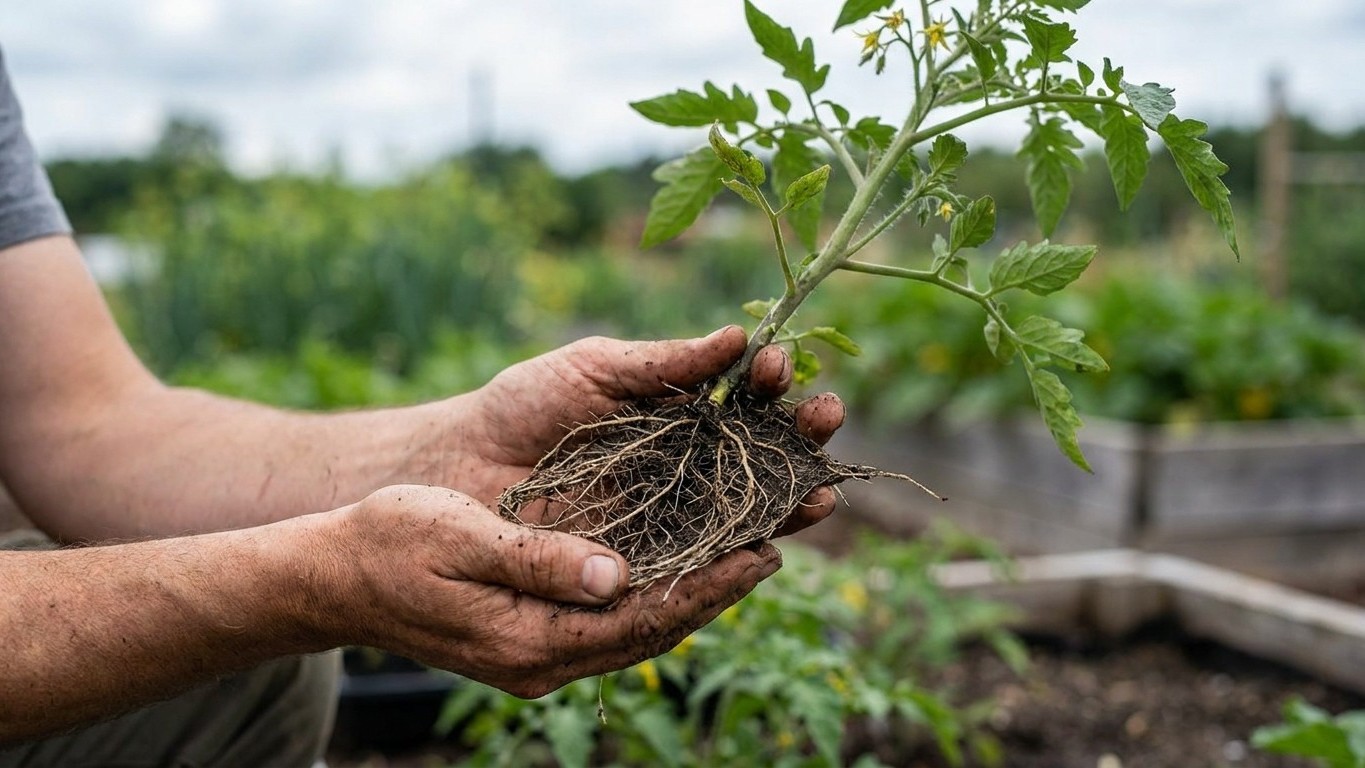
Sunscald destroys tomato seedlings in hours, but an old farmer’s low-tech solution using newspaper can prevent it entirely. This guide reveals the hardening-off method that actually works, plus the hidden factors most gardeners overlook.

Don’t Spread Warm Compost This April—Your Seedlings Will Pay the Price

Don't Spread Warm Compost This April—Your Seedlings Will Pay the Price

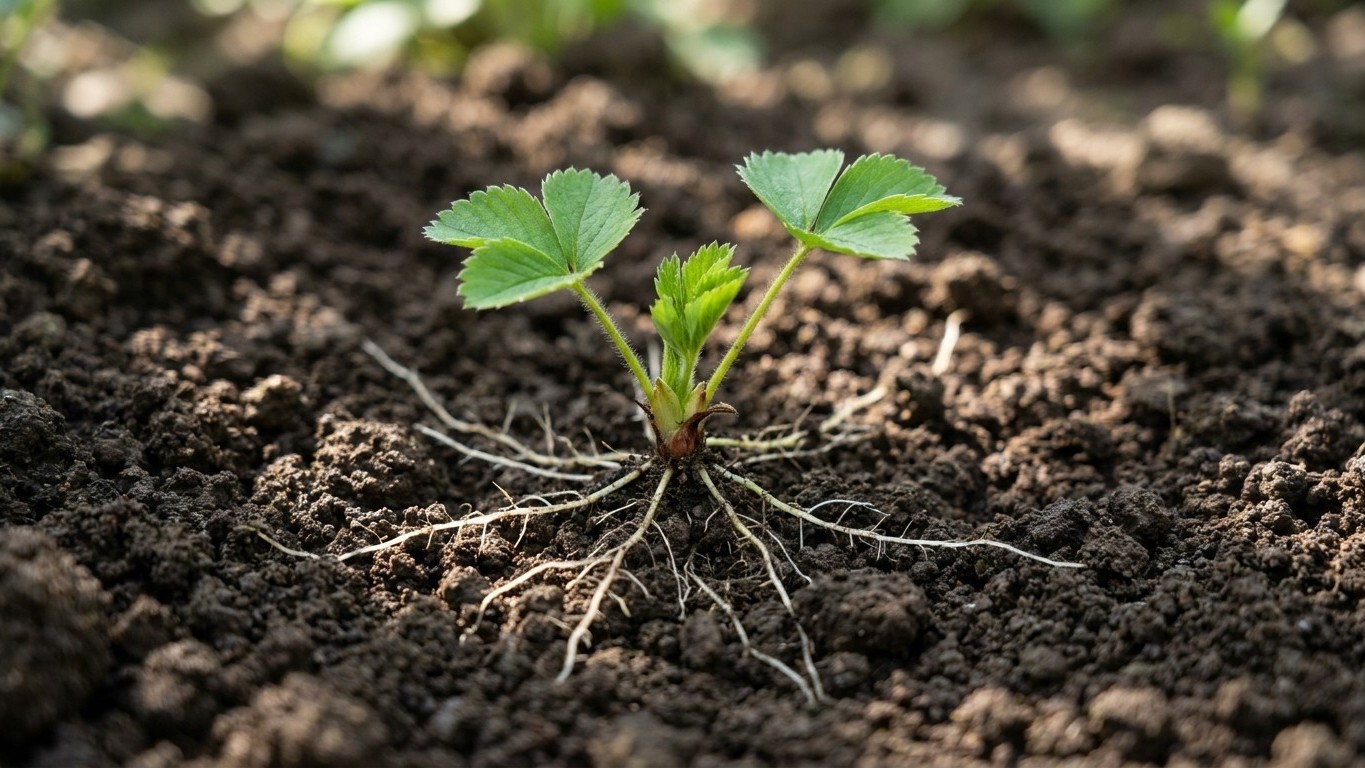
Spreading immature compost in April is a silent killer—one that doesn’t show obvious damage until it’s too late. The warmth signals active decomposition, which releases ammonia and organic acids that chemically burn tender seedling roots from the inside out. A simple squeeze-and-sniff test takes seconds and could save your entire crop.

Stop Using Straw and Start Growing Sweeter Strawberries: The Science Behind Real Flavor

Stop Using Straw and Start Growing Sweeter Strawberries: The Science Behind Real Flavor

The straw mulch tradition won’t make your strawberries sweeter—but sunlight, potassium, precise watering, and perfect timing will. Garden scientists reveal the overlooked factors that separate candy-sweet berries from disappointing red pebbles, and most require doing less, not more.

The Secret Three-Week Head Start: How Expert Gardeners Outsmart Weeds Before Planting

The Secret Three-Week Head Start: How Expert Gardeners Outsmart Weeds Before Planting

Expert gardeners aren’t fighting weeds in June—they’re eliminating them before planting a single seed. By deliberately triggering weed germination three weeks early, then destroying the young seedlings, they deplete the soil’s weed seed bank. The result: nearly weed-free beds while neighbors battle the hoe.

Free and Falling: How Leaves Transformed My Clay Soil Nightmare Into a Thriving Garden

Free and Falling: How Leaves Transformed My Clay Soil Nightmare Into a Thriving Garden

Clay soil seems impossible to work with, but the solution was literally falling into the yard every autumn. One gardener shares how free leaves transformed their struggling vegetable garden into productive soil—no expensive amendments required.

Revive Dead Soil in Early March: How Natural Lime Powder Transforms Compacted Earth Into a Living Garden

Revive Dead Soil in Early March: How Natural Lime Powder Transforms Compacted Earth Into a Living Garden

Compacted soil doesn’t just frustrate gardeners—it suffocates roots and stifles growth. But there’s a centuries-old, nearly free remedy: agricultural lime applied in early March. This natural powder triggers a chemical transformation that aerates soil, restores microbial life, and rebuilds fertility by mid-growing season.