
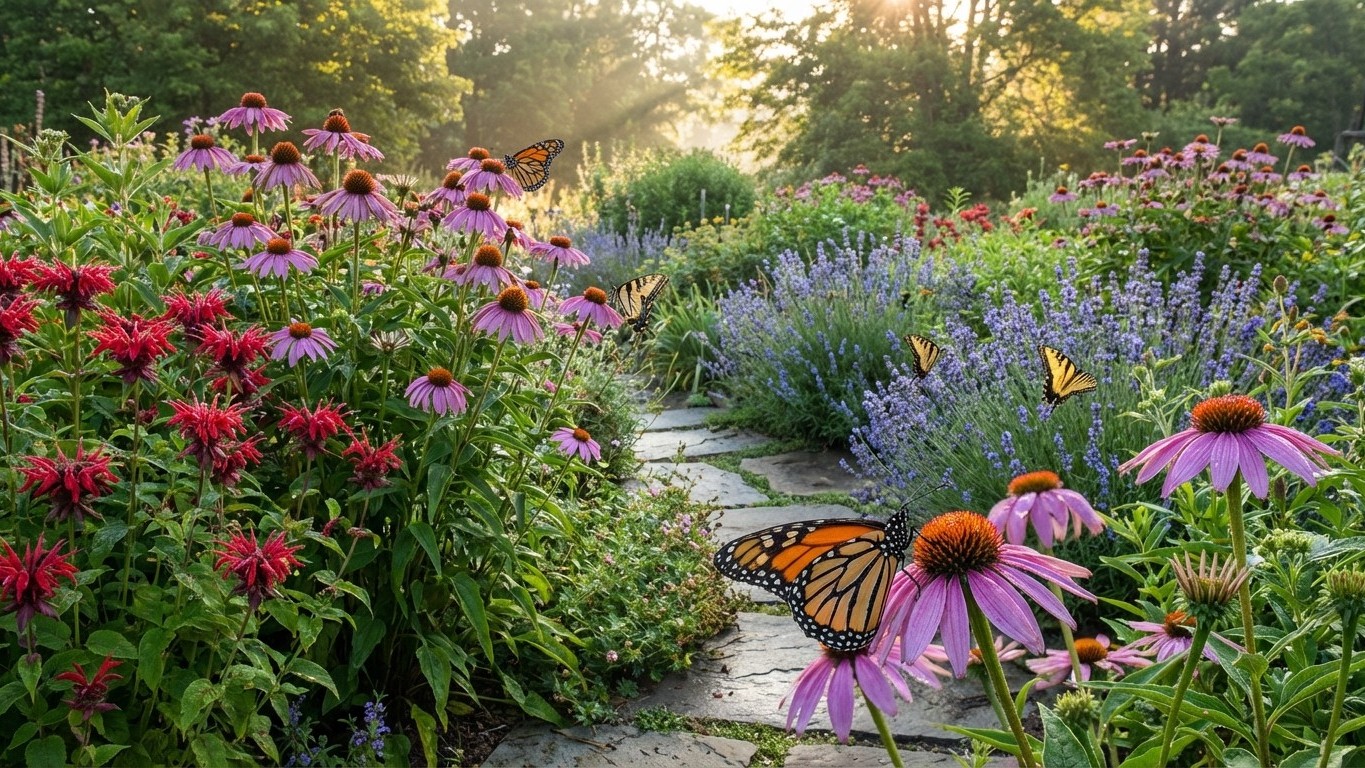
Imagine stepping into your backyard and being greeted by a kaleidoscope of butterflies dancing among vibrant blooms that seem to thrive with barely any attention from you. This isn’t a fantasy reserved for master gardeners-make-that-ruins-the-entire-harvest”>Gardeners with endless hours to spare—it’s the magic of old-fashioned perennials that have been drawing butterflies for generations.
These time-tested plants represent the perfect marriage of beauty and practicality. Unlike their high-maintenance annual cousins that demand replanting every season, heritage perennials establish deep root systems that make them remarkably drought-tolerant and self-sufficient. They’ve survived in gardens for decades, even centuries, precisely because they adapt to local conditions and bounce back year after year with increasing vigor.
The Secret Behind Butterfly-Friendly Heritage Plants
What makes these vintage varieties so irresistible to butterflies goes beyond their obvious beauty. These plants evolved alongside native butterfly populations, developing the perfect combination of nectar accessibility, bloom timing, and flower structure that caters to different butterfly species throughout the growing season. Their simple, open-faced flowers provide easy landing platforms, while their extended blooming periods ensure a consistent food source from spring through fall.
The nectar produced by heritage perennials tends to be richer and more abundant than that of many modern hybrids, which have often been bred for appearance rather than wildlife value. Plants like purple coneflower, bee balm, and black-eyed susan create what gardeners call “butterfly magnets”—focal points that attract not just monarchs and swallowtails, but dozens of lesser-known species that add subtle movement and color to your garden landscape.
These plants also offer something modern gardeners desperately need: forgiveness. They tolerate poor soil, irregular watering, and general neglect while still producing spectacular displays. This resilience stems from their long history of natural selection, where only the strongest, most adaptable varieties survived to be passed down through generations of gardeners.
Creating Your Effortless Butterfly Garden
The beauty of establishing a butterfly-friendly perennial garden lies in its simplicity. Start by selecting a sunny location with at least six hours of direct sunlight, as most nectar-rich perennials are sun-lovers. The soil doesn’t need to be perfect—in fact, many heritage varieties prefer lean, well-draining conditions over rich, amended soil that can make them grow too lush and reduce flowering.
Plant selection becomes your most important decision, and this is where the wisdom of old-fashioned varieties truly shines. Lavender offers Months of purple spikes that butterflies adore while providing you with fragrant cut flowers and natural pest deterrent. Its Mediterranean origins mean it thrives in hot, dry conditions that would stress other plants. Similarly, native asters provide late-season nectar when most other flowers have faded, supporting migrating monarchs on their southern journey.
Catmint deserves special mention for its incredible butterfly appeal combined with almost supernatural toughness. This herb relative blooms continuously from late spring through frost with minimal care, creating clouds of blue-purple flowers that seem to vibrate with butterfly activity. After the initial flush of blooms, a Simple shearing encourages fresh growth and even more flowers.
The key to success lies in grouping plants with similar water and soil needs while ensuring blooms succession throughout the season. Early bloomers like wild bergamot can transition to summer stars like joe pye weed, which then hand off to fall champions like sedum varieties. This natural progression keeps butterflies visiting Your Garden from spring through the first hard frost.
The Long-Term Rewards of Patience
Perhaps the most satisfying aspect of heritage perennial gardening is watching your butterfly garden mature and improve with each passing year. These plants often start modestly in their first season, focusing energy on establishing root systems rather than impressive displays. By their second year, they begin to show their true potential, and by the third year, many perennials have formed substantial clumps that create significant visual impact.
This natural timeline means your garden becomes more beautiful and wildlife-friendly with less effort over time. Mature perennial clumps often self-seed, creating natural drifts and filling in gaps Without Any intervention from you. They also develop the deep root systems that allow them to access moisture during dry spells, reducing or eliminating the need for supplemental watering.
The butterfly activity in established perennial gardens is nothing short of magical. As your plants mature and spread, they create the kind of abundant nectar sources that support not just adult butterflies but entire life cycles. Many heritage perennials also serve as host plants for butterfly larvae, meaning your garden becomes a complete ecosystem rather than just a feeding station.
Embracing the Natural Beauty
Creating a butterfly haven with old-fashioned perennials means accepting a different aesthetic than the manicured precision of annual displays. These gardens have a naturalistic beauty that changes with the seasons and embraces the Gentle wildness that butterflies prefer. Seed heads left standing through winter provide food for birds and shelter for beneficial insects, while spring cleanup becomes a simple matter of cutting back last year’s growth to make room for new shoots.
This approach to gardening offers something increasingly rare in our busy world: genuine sustainability combined with outstanding results. Your butterfly garden will reward minimal investment with maximum beauty, creating a living sanctuary that enriches both your outdoor space and the local ecosystem for years to come.