
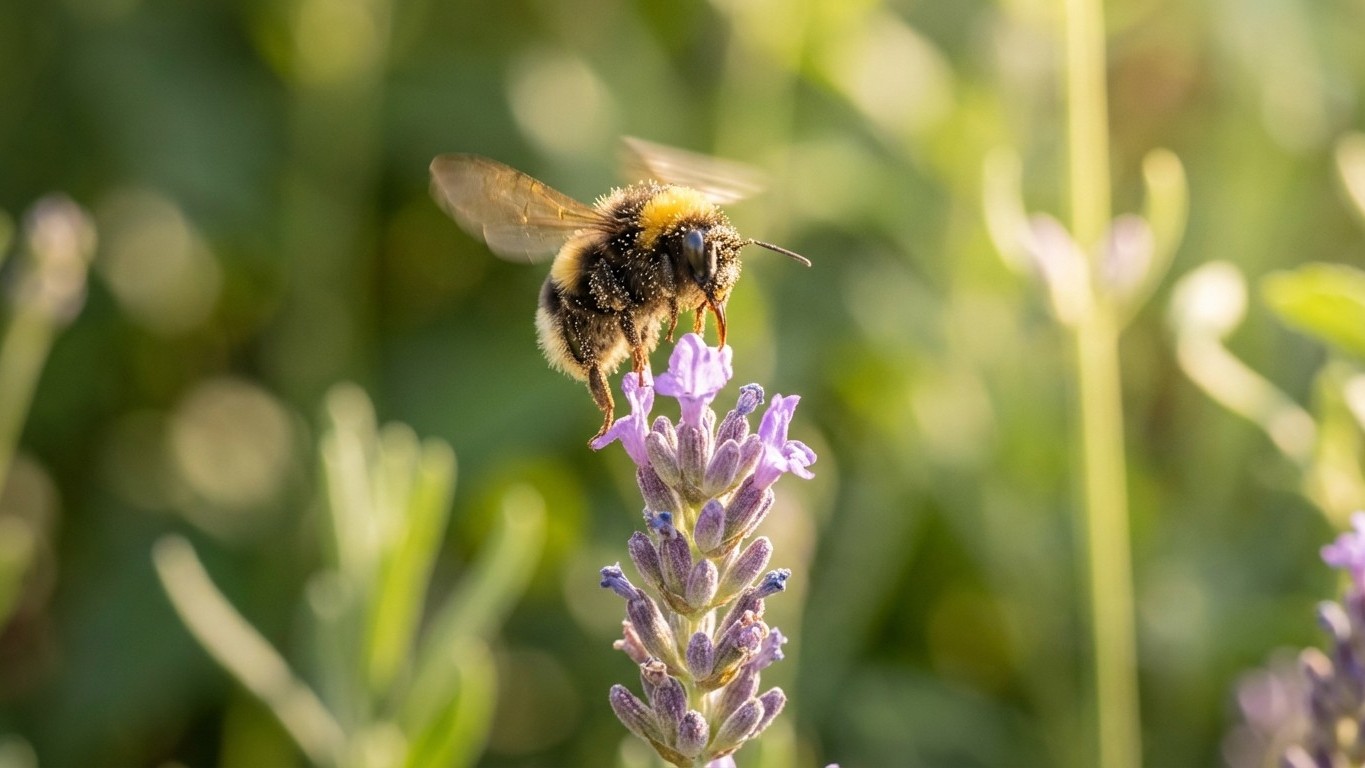
Spring arrives with an urgent mission. Across the country, bee populations have declined by nearly 40% over the past decade, while your garden holds the power to become a vital refuge. March presents the perfect window to plant strategic blooms that will create a buzzing ecosystem in your backyard.
The secret lies in timing and selection. Bees emerge from winter dormancy desperately seeking nectar sources, yet many gardens offer nothing but bare soil and dormant perennials. Smart gardeners know that March plantings create a continuous buffet from early spring through fall, supporting not just honeybees but the 4,000 native bee species most people never notice.
Key takeaways
- Bee populations have crashed 40% in a decade—but your March plantings can reverse the decline
- These 5 flowers create nectar corridors that support 73+ bee species and extend blooms through fall
- Native species like wild bergamot establish ‘bee highways’ that reshape your entire garden ecosystem
Lavender: The Bee Magnet That Works All Season
Few plants match lavender’s magnetic pull on pollinators. This Mediterranean native thrives in poor soil, actually preferring the neglected corner of your yard over rich, pampered beds.
Plant bare-root lavender transplants this month, spacing them 18 inches apart. The key? Choose English lavender (Lavandula angustifolia) for cold hardiness, or French lavender for warmer climates. Within weeks, you’ll notice something remarkable. Bees visit lavender flowers up to 100 times per day, making it more attractive than roses, marigolds, or most vegetables combined.
The biodiversity impact extends beyond bees. Butterflies, beneficial wasps, and hover flies all flock to lavender’s purple spikes. Your garden Transforms into a layered ecosystem where each pollinator plays a role in supporting plant reproduction and pest control.
Native Sunflowers: Powerhouse Blooms for Native Bees
Commercial sunflowers dominate farm fields, but native varieties pack more pollinator punch. Species like Maximilian sunflower and woodland sunflower bloom later in the season when bees struggle to find food sources.
Direct seed these natives in March after soil temperatures reach 50°F. Unlike their giant cousins, native sunflowers produce multiple smaller flower heads packed with accessible pollen. A single native sunflower plant can support 73 different bee species, compare that to hybrid roses, which offer zero nectar.
The timing matters enormously. While early spring flowers feed emerging queens, late-season sunflowers provide crucial energy for bees preparing for winter. This extended blooming period fills gaps in your garden’s pollinator calendar.
Bee Balm: Wild Beauty That Lives Up to Its Name
Monarda, commonly called bee balm, brings prairie wildness to suburban gardens. This native mint relative spreads enthusiastically, some call it aggressive, but bees call it paradise.
Start with nursery transplants or divide existing clumps this month. Bee balm tolerates partial shade and wet soil conditions where other pollinator plants struggle. The tubular red, pink, or purple flowers specifically evolved to attract long-tongued bees, creating a perfect partnership millions of years in the making.
Here’s where biodiversity explodes. Bee balm attracts specialized mining bees, leafcutter bees, and sweat bees, species most gardeners never see but which pollinate native plants other bees ignore. These unsung heroes often prove more effective pollinators than honeybees for native flora.
Borage: The Edible Powerhouse
This Mediterranean herb deserves space in every pollinator garden. Borage produces more nectar per flower than almost any other plant, earning it the nickname “bee bread” among beekeepers.
Direct seed borage in March, it germinates quickly and begins blooming within eight weeks. The star-shaped blue flowers continue producing nectar throughout the growing season, even during drought conditions that shut down most plants’ nectar production.
Borage offers a unique advantage. The flowers are edible, adding cucumber-like flavor to salads, while the leaves function as companion plants that improve soil health. Your garden feeds both bees and your family while building underground networks of beneficial microorganisms.
Wild Bergamot: The Prairie Native That Adapts Anywhere
Often confused with bee balm, wild bergamot (Monarda fistulosa) brings different strengths to pollinator gardens. This prairie native handles drought, poor soil, and neglect while producing lavender-pink flower clusters beloved by native bees.
Plant divisions or nursery starts this month in full sun locations. Wild bergamot forms colonies over time, creating large patches that function as “bee highways”, connected corridors allowing pollinators to move efficiently through your landscape.
The biodiversity benefits multiply through companion planting. Wild bergamot grows naturally alongside native grasses and other wildflowers, creating plant communities that support entire food webs. Ground-nesting bees find nesting sites among the grass roots, while above-ground nesters use hollow plant stems for winter shelter.
Creating Pollinator Corridors
Individual plants help bees, but connected plantings create transformation. Design your March plantings as corridors linking different garden areas. Bees travel up to three miles foraging, but prefer concentrated resources within shorter distances.
Consider bloom succession when arranging plants. Early lavender leads to summer bee balm, followed by fall sunflowers and borage. This choreographed sequence ensures continuous nectar sources from April through October.
Your March plantings will face an immediate test. Cool nights and variable weather challenge young plants, but these five species evolved resilience through thousands of years of climate variability. Each seed you plant this month becomes part of a living network supporting creatures most people never notice but absolutely cannot live without.
What kind of world will your garden create for the pollinators that make our food system possible?