
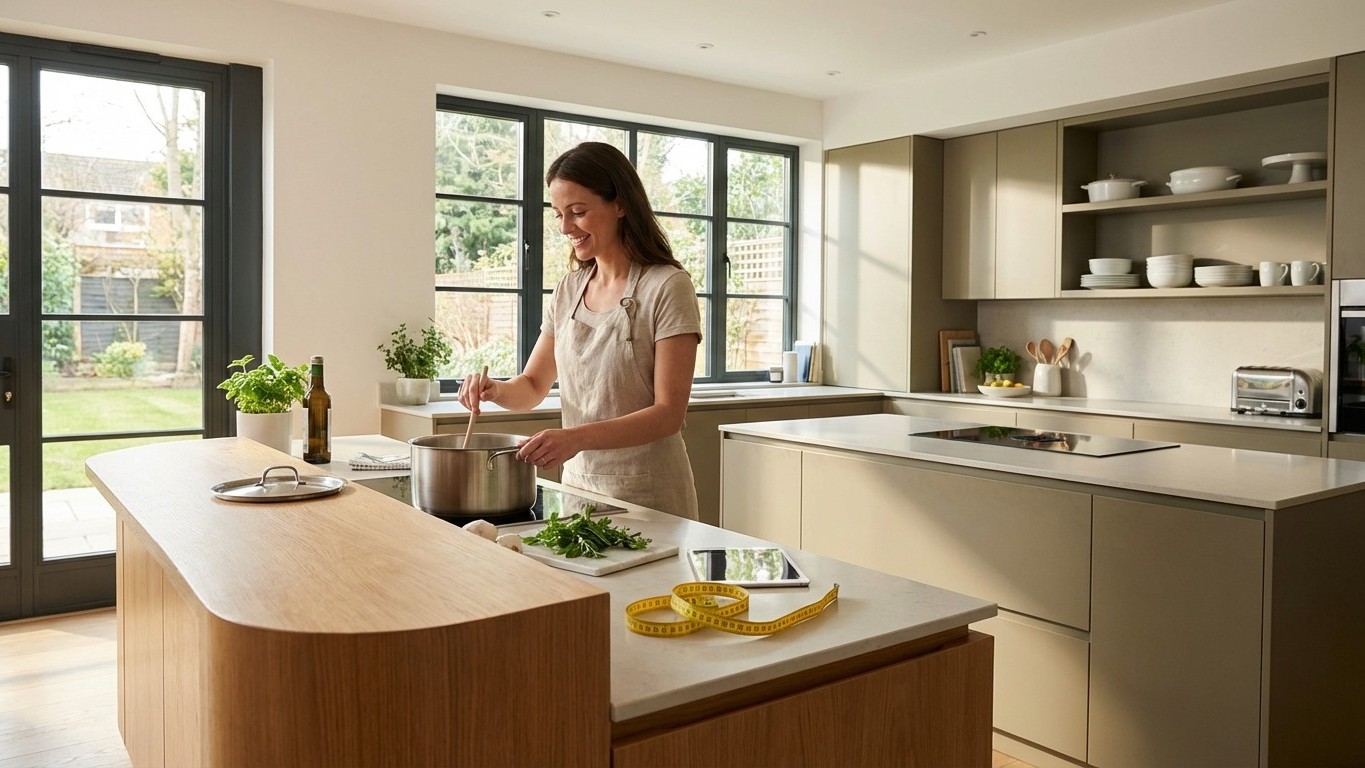
Standing hunched over your Kitchen-cabinet-refresh-relooker-ses-placards-sans-les-remplacer”>kitchen-scraps-Transform-these-3-vegetables-into-superstars”>Kitchen counter, chopping vegetables with an aching back, might seem like an inevitable part of cooking. But what if a single Measurement could Transform your entire culinary experience and eliminate that persistent pain that Follows you long after the dishes are done?
The magic number isn’t found in any recipe book, yet it’s arguably the most important measurement in your kitchen: the height of your countertops. While standard kitchen counters sit at 36 inches from the floor, this one-size-fits-all approach fails to account for the dramatic differences in human anatomy and creates a cascade of ergonomic problems that manifest as chronic back pain.
Why Standard Heights Fail Your Spine
The 36-inch standard emerged decades ago based on average heights that don’t reflect today’s diverse population. When your countertops force you to bend forward, round your shoulders, or crane your neck downward, your spine compensates in ways it was never designed to handle. The result is a domino effect of muscular tension that starts in your lower back and radiates upward.
Consider what happens during a typical cooking session. You’re constantly shifting between tasks that require different postures: chopping vegetables with downward pressure, stirring pots, reaching into cabinets, and loading the dishwasher. Each movement at the wrong height compounds the stress on your vertebrae and surrounding muscles. Over time, this repetitive strain creates inflammation and chronic discomfort that extends far beyond your time in the kitchen.
The biomechanics are straightforward yet profound. When you work at a surface that’s too low, your thoracic spine flexes unnaturally, your shoulders roll forward, and your cervical vertebrae extend to keep your head upright. This position compresses spinal discs, shortens chest muscles, and overextends the muscles along your upper back and neck. The longer you maintain these compromised positions, the more your body adapts to them as the new normal.
Finding Your Personal Perfect Height
The ideal counter height isn’t a universal number but rather a personalized measurement based on your elbow height when standing Naturally. When your arms hang relaxed at your sides and you bend your elbows to 90 degrees, the optimal work surface should sit approximately two to four inches below this elbow level. This positioning allows your shoulders to remain relaxed, your spine to maintain its natural curves, and your arms to work efficiently Without strain.
For most people, this translates to countertops ranging from 34 to 39 inches in height, depending on individual proportions. Taller individuals often find relief at 38 to 42 inches, while shorter people may benefit from surfaces as low as 32 to 34 inches. The key lies in testing different heights to find what feels most natural for your body during extended periods of food preparation.
Professional chefs and ergonomic specialists have long recognized this principle, which explains why commercial kitchen designs often incorporate multiple work surface heights. Home kitchens can benefit from the same approach, creating zones optimized for different tasks and users.
Practical Solutions for Every Kitchen
Transforming your kitchen’s ergonomics doesn’t necessarily require a complete renovation. Several practical approaches can address height discrepancies and provide immediate relief from back strain. Adjustable-height islands or carts offer flexible work surfaces that can accommodate different tasks and users throughout the day.
For existing countertops that are too low, strategic additions can make a significant difference. Cutting boards with raised edges, butcher block extensions, or even temporary platforms can elevate your primary work surface to a more comfortable level. These solutions prove particularly effective for tall individuals working in standard-height kitchens.
When countertops are too high, the solutions focus on bringing yourself up to the optimal level. Anti-fatigue mats with slight elevation, adjustable-height stools for seated tasks, or even custom platforms can bridge the gap between your natural stance and the existing counter height.
Kitchen renovations present the perfect opportunity to customize counter heights throughout the space. Modern designs increasingly incorporate varied heights, with prep areas at different levels than cleanup zones. This approach recognizes that different kitchen tasks benefit from different working heights and that multiple family members may use the same space.
Beyond Height: Creating a Back-Friendly Kitchen
While counter height serves as the foundation of kitchen ergonomics, other factors contribute to a back-friendly cooking environment. The depth of your countertops affects how far you need to reach for items, with standard 24-inch depths sometimes requiring uncomfortable stretching. Strategic placement of frequently used items within easy reach minimizes the need for repetitive bending or stretching motions.
Flooring choices also impact spinal health during long cooking sessions. Materials that provide slight cushioning and encourage subtle movement help reduce the static loading that contributes to back fatigue. The interplay between proper counter height and supportive flooring creates a comprehensive ergonomic environment.
The investment in proper kitchen ergonomics pays dividends that extend far beyond cooking comfort. When your kitchen supports natural posture and movement patterns, you’ll find yourself more eager to prepare meals, more efficient in your cooking processes, and free from the chronic discomfort that once defined your culinary experiences. The simple act of measuring and adjusting your work surface height represents a profound shift toward prioritizing your physical well-being in one of your home’s most frequently used spaces.