
Roses are unforgiving teachers. They’ll let you make the same Mistake three springs in a row before you finally connect the dots between that eager snip in March and the sparse, leggy blooms you’re puzzling over in July. The mistake is almost universal among home gardeners, it’s completely understandable, and it quietly sabotages some of the most anticipated color of the growing season.
The error? Pruning too early, and too hard, before you’ve Actually read what the plant is telling you.
Key takeaways
- One universal spring mistake quietly sabotages roses for months—and it happens before most gardeners realize what they’ve done
- Cutting before the plant is ready triggers a stressed growth response that produces thin canes, fewer flowers, and vulnerability to pests
- Nature provides a simple biological signal for perfect pruning timing—but almost nobody waits for it
The Temptation That Gets Everyone
The first warm week of late winter feels like a gift. The soil softens, seed catalogs are dog-eared, and suddenly those rose canes look like a project. Out come the bypass pruners. There’s something deeply satisfying about the clean geometry of freshly cut roses, and every gardening instinct says: get ahead of it. Cut back the dead wood, open up the center, give the plant a fresh start.
Here’s where the damage begins. Most gardeners cut at the first sign of warmth, sometimes as early as late February or the first days of March, following a rough calendar rather than the plant itself. They remove a significant portion of the cane length (often a third to half the plant) in one aggressive session, and they do it before they’ve confirmed which wood is actually dead versus dormant.
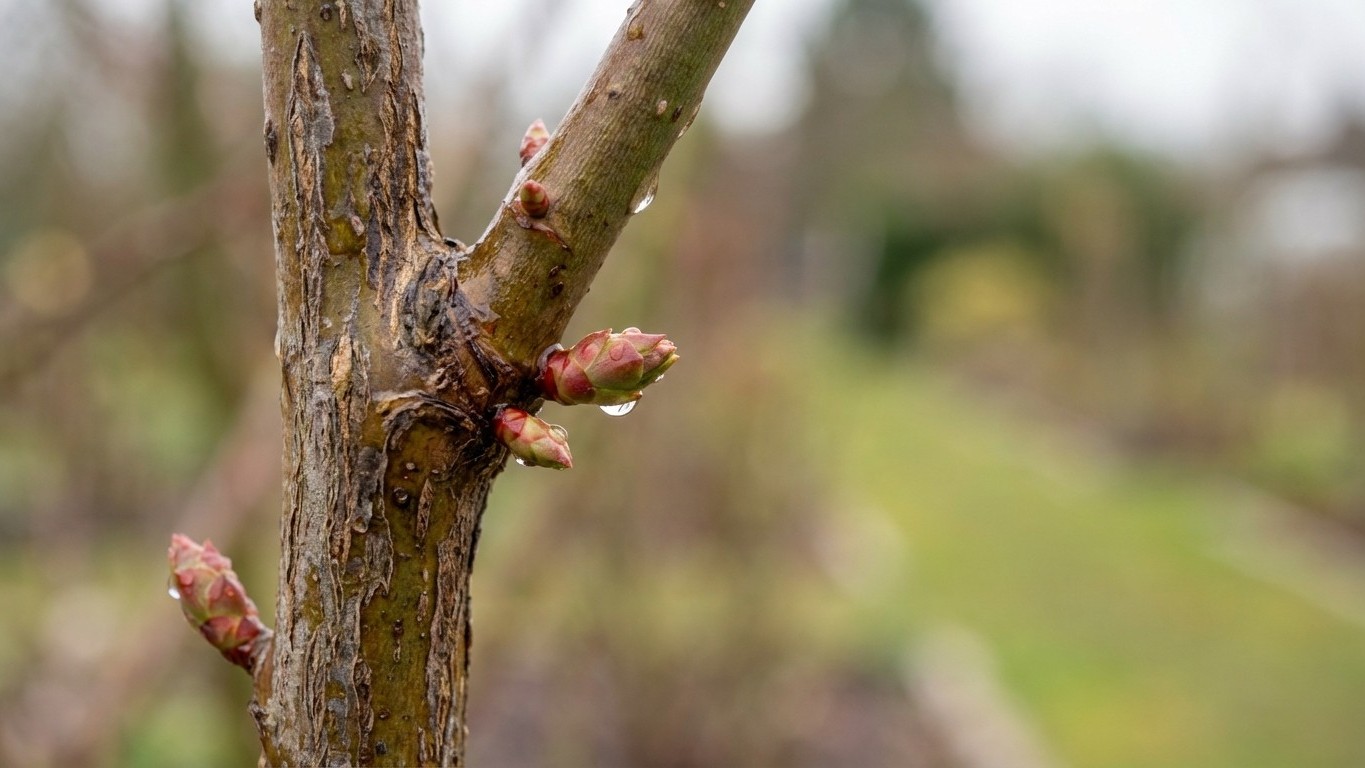
Dormant canes look almost identical to dead ones to an untrained eye. The difference only becomes visible when you watch for bud swell, those tiny reddish-green buds pushing through the bark, which signals that a cane is alive and loaded with potential. Cut a live cane before that swell, and you’ve just discarded weeks of stored energy the plant spent all of last fall accumulating.
What Actually Happens to the Plant
Roses store carbohydrates in their canes over winter. Think of it as the plant’s savings account. When you remove healthy canes prematurely, you’re not just cutting wood. You’re withdrawing from that account before the growing season has even started.
The plant responds by pushing what energy remains into producing new growth quickly, which sounds fine but produces a problem: that rapid, stressed growth tends to be thin, weak, and especially vulnerable to aphids and powdery mildew. The bush that should be setting up a strong architectural framework instead scrambles to replace what you took. By June, you’ll have plenty of foliage but fewer blooms than you expected, and the ones that do appear may be smaller or shorter-stemmed than in previous years.
There’s a compounding issue with climate unpredictability. If you prune hard in early March and then a late frost hits (which, across most of the United States, is well within normal range through mid-April in many zones), those newly exposed cuts and any fresh growth become frost magnets. The plant takes a double hit: energy spent pushing growth, then frost damage wiping it out. Repeat this two or three years and you’ll have a rose that looks chronically exhausted, because it is.
The Timing That Actually Works
The reliable benchmark most experienced rosarians use has nothing to do with a calendar date. Watch for forsythia. When forsythia blooms in your area, that’s nature’s signal that conditions are right for pruning hybrid teas, grandifloras, and most modern roses. It sounds almost too simple, but forsythia is essentially a biological thermometer calibrated to local conditions.
For gardeners without forsythia nearby, the bud swell method works just as well. Wait until you can see reddish buds beginning to push out from the canes, then prune just above an outward-facing bud at roughly a 45-degree angle. The outward-facing part matters: it trains the new growth away from the center of the plant, which improves air circulation and dramatically reduces fungal disease through summer.
How much to remove depends on the rose type, but a commonly recommended approach for hybrid teas is to cut back to somewhere between 12 and 18 inches from the ground, removing all obviously dead (brown and shriveled inside when cut) canes entirely. For shrub roses and old garden roses, the approach is lighter overall. Many of these bloom on old wood, and hard pruning would remove the very canes carrying this season’s flower buds. This is a distinction worth researching for your specific varieties before you pick up the pruners.
The Two Cuts Worth Making Early
Completely avoiding the garden until forsythia blooms isn’t necessary. Two types of early-season work are genuinely beneficial and carry no timing risk.
First, removing clearly dead canes at any point is harmless. If a cane is obviously black, hollow, or has the papery brittleness of something that didn’t survive winter, cut it at the base. You’re not removing stored energy, just dead weight. Second, cleaning up last year’s fallen leaves from the base of the plant in late winter removes overwintered fungal spores (particularly black spot) before they get a chance to reinfect new foliage. A few minutes with gloves and a trash bag in February can reduce disease pressure for the entire season.
The selective approach, pruning dead wood early and waiting for bud swell before doing the main structural cut, gives you the best of both worlds. You’re not hands-off until May; you’re just reading the plant before acting on it.
Roses have a reputation for being demanding and complicated, and some of that reputation is earned. But a surprising amount of what frustrates home growers traces back to this single timing issue, the impulse to act before the plant is ready. The most experienced rosarians often describe their best years not as the result of doing more, but of waiting three weeks longer than they wanted to. Patience in early spring, it turns out, is the one tool that doesn’t come with the pruners.