
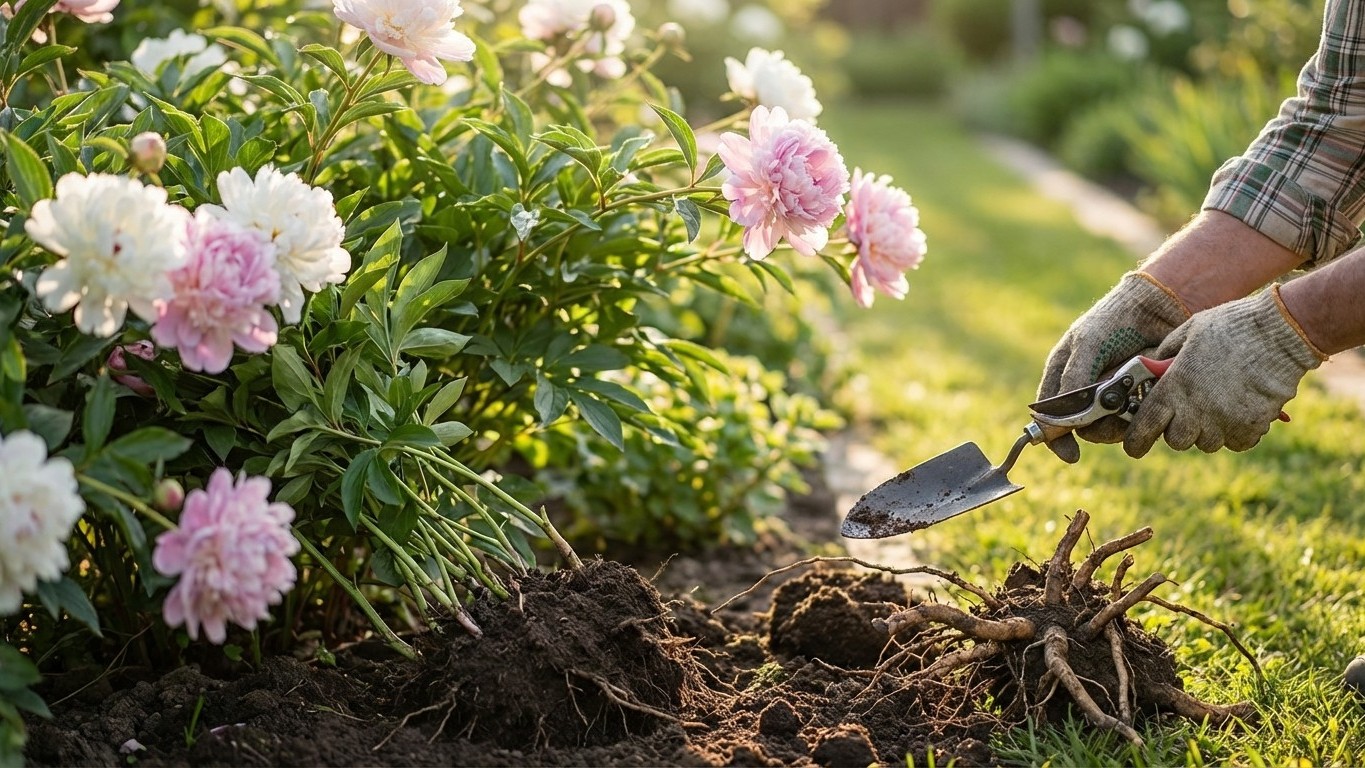
The sight of my once-glorious peony bed, barren and flowerless for the second consecutive spring, still haunts me. What should have been a simple garden improvement turned into a masterclass in botanical patience, teaching me that timing truly is everything when it comes to these temperamental beauties.
My mistake was deceptively simple: I divided my mature peony clumps in early spring, convinced that the emerging shoots signaled the perfect moment for transplantation. The logic seemed sound—after all, many perennials thrive when divided during their active growing phase. But peonies, I learned too late, march to their own drumbeat, and my well-intentioned intervention cost me two full seasons of their breathtaking blooms.
The Critical Window: Why Late Summer Division Changes Everything
Peonies establish their flowering potential for the following year during late summer and early fall, long before most gardeners think about division. When you disturb the roots during spring or early summer, you’re essentially hitting the reset button on a complex biological process that’s already well underway. The plant must redirect all its energy toward establishing new roots rather than developing the flower buds that would have graced Your Garden the next season.
The ideal division window opens in late August through September, when the foliage begins its natural decline but the roots remain active below ground. During this period, peonies can channel their energy into root establishment while the cooler temperatures and autumn moisture provide optimal recovery conditions. This timing allows the newly divided plants to settle in comfortably before Winter dormancy, emerging in spring with their flowering mechanism intact.
My spring division disrupted this delicate cycle. The plants I moved were already committed to their 2023 blooming schedule, but the trauma of division forced them to abandon those plans. They spent that entire growing season rebuilding their root systems, then had to start the flower-setting process from scratch the following fall.
The Aftermath: What Two Years of Waiting Taught Me
Watching my divided peonies struggle through their recovery was both humbling and educational. The first year post-division, they produced healthy foliage but remained stubbornly bloomless. I questioned everything—had I damaged the roots too severely? Was the soil preparation inadequate? The second year brought the same result: lush green growth with not a single bud in sight.
What I Discovered during this frustrating period was that peonies need their root systems to reach a critical mass before they can support flower production. Each division essentially becomes a juvenile plant again, regardless of the parent’s maturity. The thick, fleshy roots that store energy for spectacular blooms take time to develop, and there’s simply no rushing this process.
The silver lining emerged in year three, when my patience was finally rewarded with modest but promising blooms. The plants had reestablished themselves sufficiently to resume flowering, though it would take another season or two to reach their full potential. This experience taught me that peony gardening requires a long-term perspective and respect for the plant’s natural rhythms.
Mastering the Art of Peony Division
Armed with hard-won wisdom, I now approach peony division with the reverence it deserves. The process begins with careful observation—waiting for that sweet spot in late summer when the foliage starts yellowing but hasn’t completely died back. This visual cue indicates that the plant has completed its energy storage for the year and can tolerate disturbance.
The actual division requires surgical precision rather than brute force. After carefully lifting the entire clump, I examine the root structure to identify natural division points where the crown separates cleanly. Each division must contain at least three to five growth buds (the pinkish points where next year’s stems will emerge) along with a substantial portion of the root system. Smaller divisions take longer to establish and may delay flowering even further.
Proper planting depth proves equally crucial—the growth buds should sit no more than two inches below the soil surface. Deeper planting, a common mistake among nervous gardeners, can prevent blooming indefinitely. The roots appreciate well-draining, fertile soil enriched with compost, but they despise waterlogged conditions that can lead to crown rot.
The Long Game: Building a Sustainable Peony Legacy
My costly mistake ultimately transformed my approach to garden planning. Rather than viewing division as a quick fix for overcrowded beds, I now see it as a long-term investment in my garden’s future. Properly timed and executed peony division can extend the life of aging clumps while creating new focal points throughout the landscape.
The key lies in patience and strategic planning. I now mark my calendar for late August divisions and resist the spring urge to “help” my peonies by moving them. When I do divide, I prepare myself mentally for the waiting period, using the bloom-free years to perfect the soil conditions and surrounding plantings that will showcase the eventual flowers.
This experience reinforced a fundamental garden truth: working with nature’s timing, rather than against it, yields far better results than any shortcut. My peonies eventually forgave my timing transgression, rewarding my patience with blooms even more spectacular than before. Sometimes the most valuable garden lessons come wrapped in temporary disappointment, teaching us to slow down and listen to what our plants actually need.