
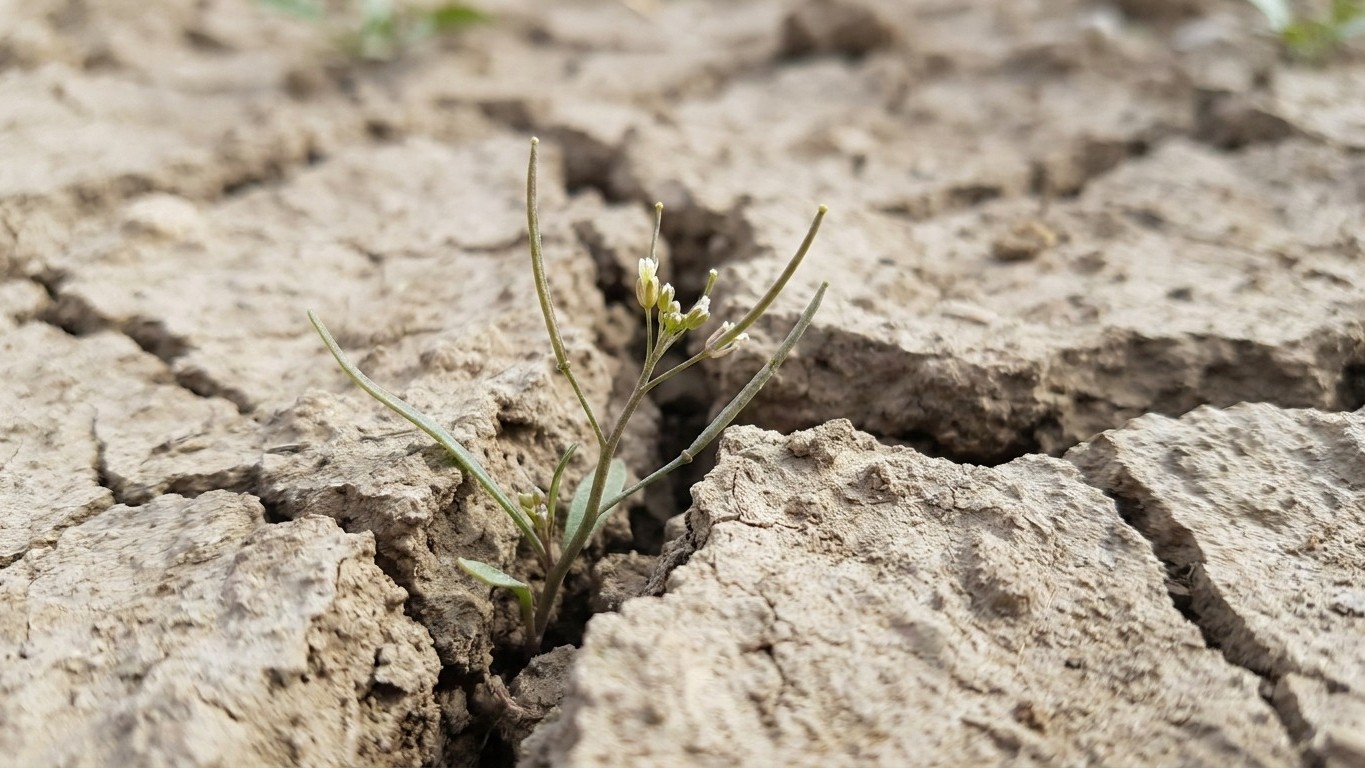
Ten days can undo a whole season of good intentions. That’s exactly what happened when I tucked arugula seed into bone-dry soil in early August, threw a shade cloth over the row, and walked away expecting the usual: a carpet of peppery baby leaves within three weeks. Instead, when I finally lifted the cover, I found spindly stems already pushing toward bud, with barely a true leaf to show for it. The plant hadn’t grown. It had panicked.
What I’d stumbled into is a textbook case of stress-triggered bolting, and once you understand the mechanics, it’s almost impossible to unsee. Keeping soil evenly moist matters especially in warmer weather when bolting may occur, since bolting is when the plant skips right to producing flowers and seeds without developing much foliage first. My soil wasn’t evenly moist. It was parched, and the seeds that did manage to sprout treated germination as an emergency rather than a beginning.
Key takeaways
- A shade cloth alone cannot prevent bolting if soil is bone-dry
- Arugula reads drought as a countdown clock and skips straight to flowering
- Succession planting and proper mulch are the real keys to tender summer greens
Dry soil turns a leafy green into a seed factory
Arugula is wired to reproduce the moment survival feels uncertain. Drought is exactly that kind of signal. If the soil becomes too dry and the weather becomes hot, arugula may begin to produce seeds prematurely, and watering deeply and regularly during the summer prevents early bolting and allows you to enjoy your arugula harvest for longer. I’d assumed the shade cloth was doing the heavy lifting. It wasn’t, because shade addresses temperature, not thirst. A plant sitting in cracked, dusty soil reads that as a countdown clock, and it responds by rushing straight to flower and seed, skipping the leafy stage I was hoping to harvest.
The temperature side of the equation made things worse. Arugula seeds germinate best at temperatures below 70 degrees Fahrenheit and can go dormant, failing to germinate, above 85 degrees, which means in summer you can’t just sow arugula seeds into the outdoor garden and hope for the best. Early August soil, even shaded, often sits well above that comfort zone in the top inch where seeds are trying to sprout. Growth slows under 45°F and becomes stressed above 75-80°F, and warm soil accelerates development and shortens the harvest window, even before air temperatures feel extreme. So my seedlings weren’t just dry. They germinated into soil that was already flirting with the upper edge of tolerable, then kept climbing.
Why the shade cloth didn’t save the crop
Shade cloth is a genuinely useful tool, just not a substitute for water. Shade cloth over row cover hoops or stakes can help to cool the soil and protect arugula from hot, sunny days. That’s real, measurable relief for air temperature and leaf scorch. But it does nothing to replace moisture lost to evaporation from bare, exposed soil, and it can even lull a gardener into skipping the daily check a summer sowing actually needs. I lifted mine after ten days assuming the cover had bought me time. Instead, the combination of dry roots and borderline-hot soil had already pushed the plants past the point of no return.
Once bolting starts, there’s no reversing it. There is no way to prevent arugula from bolting since going to seed is the plant’s natural course, though shade and moist soil can slow it down. The flowers I found weren’t a failure of variety or bad luck with seed quality. They were arugula doing exactly what arugula does when it senses a threat: reproduce fast, before conditions get worse. The most common cause of bitterness is harvesting past the vegetative peak, once leaves enter the pre-bolt phase and glucosinolate levels continue climbing. Mine never even reached a vegetative peak worth harvesting.
Getting the timing right for the next sowing
The fix isn’t complicated, but it does mean rethinking early August as a transition month rather than prime planting territory. Autumn plantings produce the sweetest, most tender leaves, since warm soil encourages rapid germination while cool temperatures create the mild peppery flavor that makes arugula a favorite, and by establishing plants as summer heat declines, gardeners can enjoy continuous harvests of tender greens well into fall. Waiting even two to three weeks, until soil temperatures start easing off their peak, changes everything.
Soaking seed beforehand and watering the bed deeply before sowing, not just after, gives arugula a fighting chance from day one. Seeds germinate in about a week, or slightly longer in cold soil, and speeding up germination by soaking seeds in water for a few hours prior to planting helps. Mulching around the row does double duty here. Mulch helps the soil retain water and also keeps the temperature of the soil cooler, protecting the roots of plants from summer heat. I’d skipped mulch entirely, betting everything on the shade cloth alone, and that gap in coverage cost me the crop.
Succession sowing in small batches also hedges against exactly this kind of surprise. For a steady supply of the most tender leaves, it’s best to sow seed every 7 to 10 days and keep picking young leaves and plants. That way one bad batch, cooked by an unexpected heat spike or a missed watering, doesn’t wipe out the whole season’s worth of salad greens. Slow-bolt varieties bred specifically for warm-weather resilience are worth seeking out too, since ordinary supermarket rocket simply isn’t built for August stress.
One consolation: nothing from that bolted row went to waste. The flowers are entirely edible, with a milder, almost honeyed version of arugula’s usual bite, good scattered over a salad or folded into softened butter. Next time the calendar says early August, I’ll be checking the soil moisture meter before I even open the seed packet, shade cloth or not.
Sources : thebrownchair.com | almanac.com