Why Mint Underground is Your Garden’s Worst Enemy: What Happens 3 Feet Below

Why Mint Underground is Your Garden's Worst Enemy: What Happens 3 Feet Below

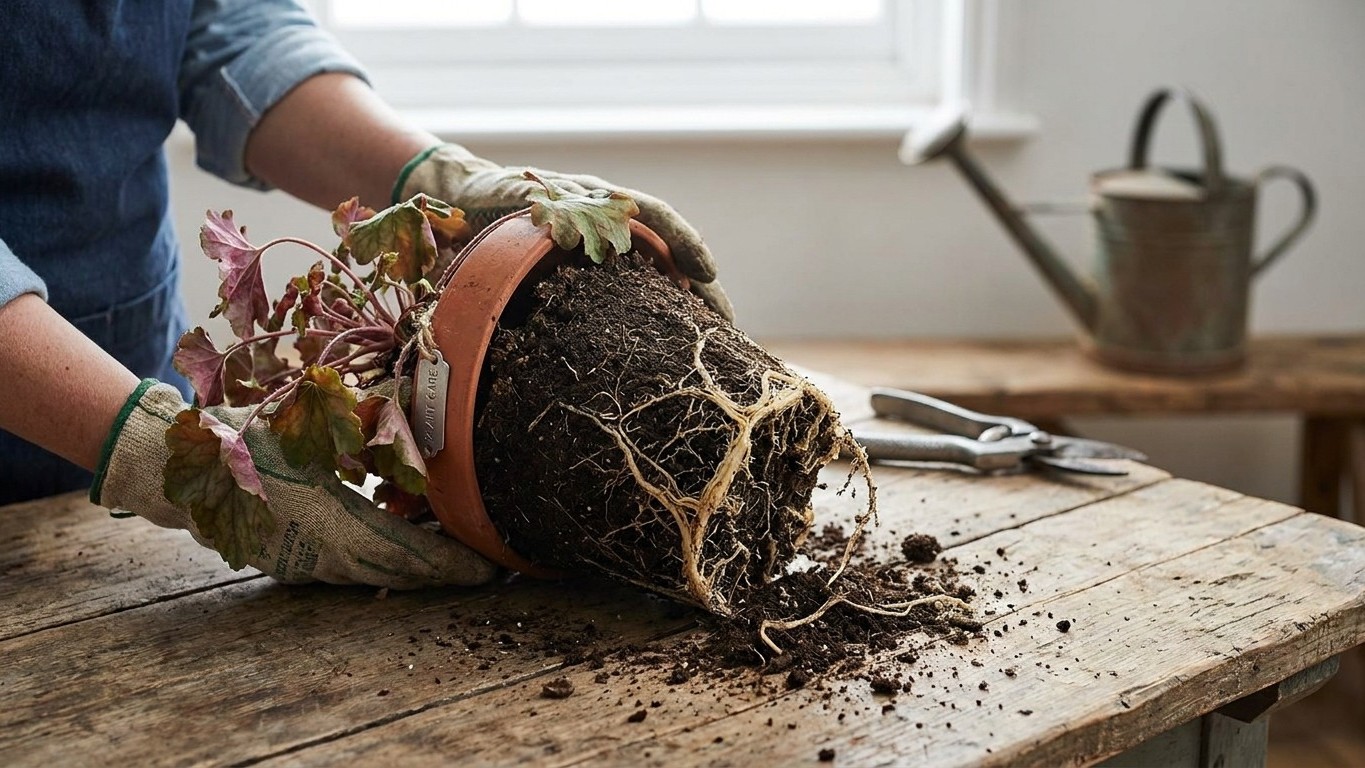
Mint seems like the perfect garden herb until you discover what’s happening beneath the soil. Underground rhizomes can spread 18-24 inches in a single season, invading neighboring plants and lawns. Learn exactly what’s happening 3 feet below and how to control this aggressive spreader before it’s too late.

Why Your Peonies Won’t Bloom: The April Fertilizer Mistake That Starves Every Bud

Why Your Peonies Won't Bloom: The April Fertilizer Mistake That Starves Every Bud

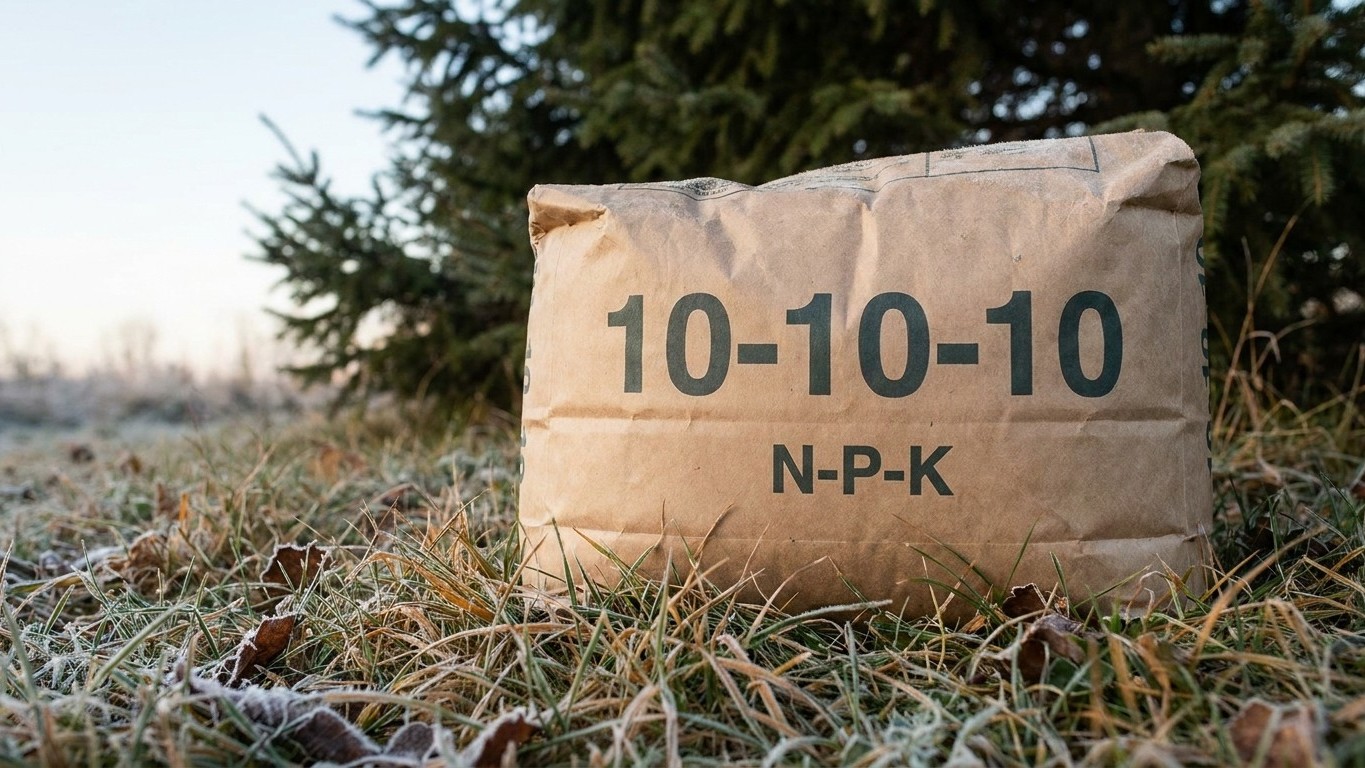
Two springs without blooms isn’t bad luck—it’s a message from your soil. High-nitrogen fertilizer applied in April is the silent bloom-killer most gardeners overlook, pushing plants to grow lush foliage while starving the flowers. Learn what peonies actually need and how to reverse years of dormancy.

Coffee Grounds Are Killing Your Garden: The Caffeine Toxicity Nobody Talks About

Coffee Grounds Are Killing Your Garden: The Caffeine Toxicity Nobody Talks About

That morning ritual of scattering coffee grounds might be sabotaging your garden. The caffeine in spent grounds acts as a natural herbicide that stunts seedling growth, clumps soil into waterproof barriers, and releases toxins alongside nutrients—a cruel package deal that’s ruined countless raised beds.

Stop Killing Your Compost: Why Rhubarb Leaves Are Silently Sabotaging Your Pile

Stop Killing Your Compost: Why Rhubarb Leaves Are Silently Sabotaging Your Pile

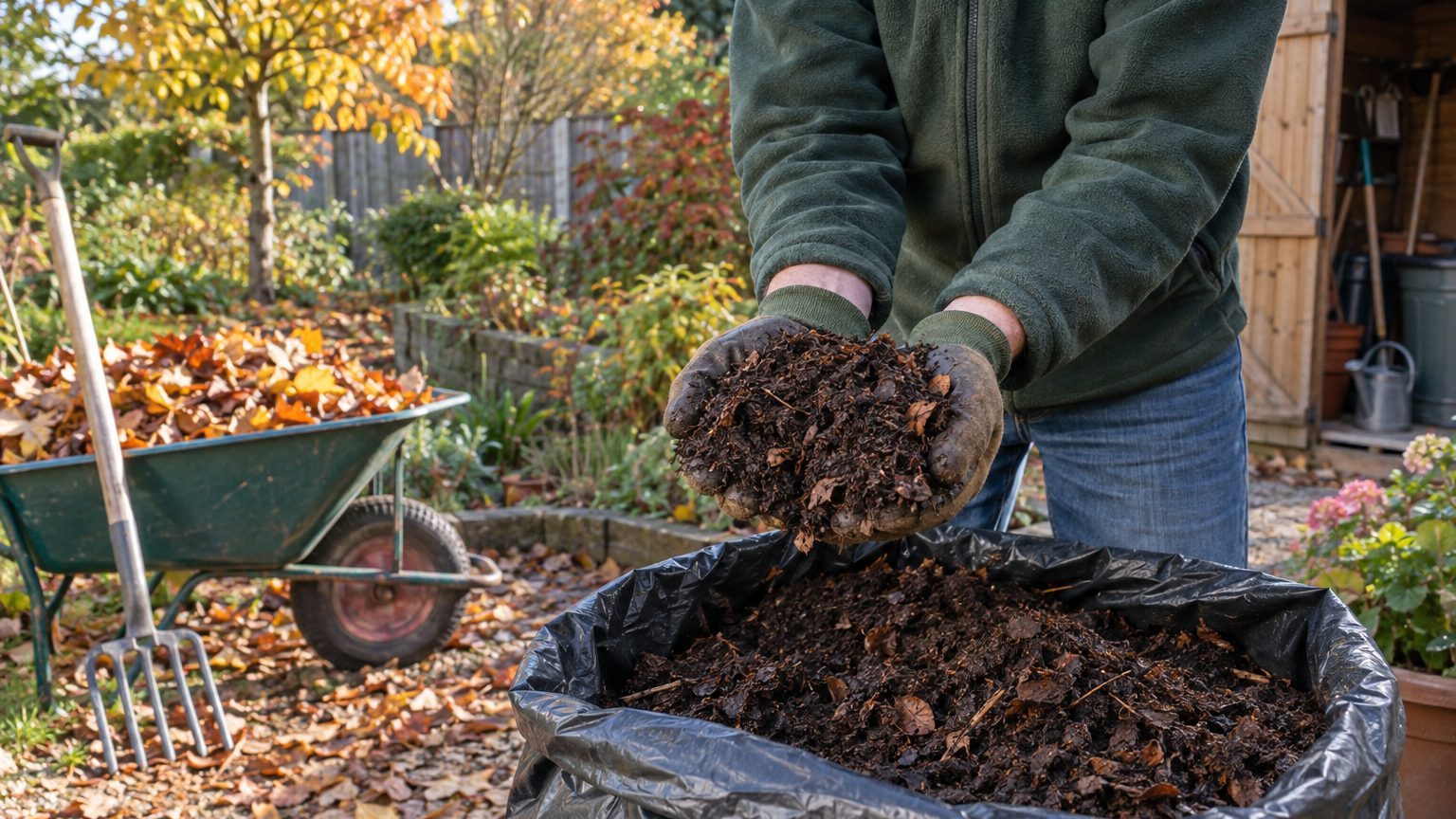
Gardeners unknowingly destroy their compost by tossing rhubarb leaves into their bins. The oxalic acid in these leaves suppresses the microbes that make composting work, creating sluggish piles and half-finished material. Learn the chemistry behind the problem and smarter alternatives.

The Secret Bucket Trick That Doubled This Gardener’s Cucumber Harvest

The Secret Bucket Trick That Doubled This Gardener's Cucumber Harvest

A single bucket with a hole drilled in it transformed one gardener’s cucumber yield, outproducing their neighbour’s harvest by 100%. The secret lies in understanding that cucumbers are 95% water and demand consistent, stress-free hydration—something a gravity-fed drip system delivers perfectly, eliminating the bitter fruit caused by erratic watering cycles.

The Kitchen Scrap That Stops Slugs Dead: Why Gardeners Are Obsessed With Used Coffee Grounds

The Kitchen Scrap That Stops Slugs Dead: Why Gardeners Are Obsessed With Used Coffee Grounds

Thousands of gardeners have discovered that used coffee grounds are a powerful—and free—slug deterrent that also enriches soil. But the science behind this kitchen hack is more nuanced than viral gardening posts suggest, and how you use the grounds makes all the difference.

Why Those Shoots at Your Rose Base Are Actually Invaders—And How to Stop Them

Why Those Shoots at Your Rose Base Are Actually Invaders—And How to Stop Them

That vigorous shoot at the base of your rosebush isn’t a bonus—it’s a takeover attempt by the rootstock. Most garden roses are grafted plants, and their wild rootstocks constantly send up aggressive shoots that steal nutrients from your prized blooms. Here’s how to identify them and remove them properly.

The 5-Day April Window Expert Gardeners Never Miss: Soil Temperature, Frost Dates, and Timing Secrets

The 5-Day April Window Expert Gardeners Never Miss: Soil Temperature, Frost Dates, and Timing Secrets

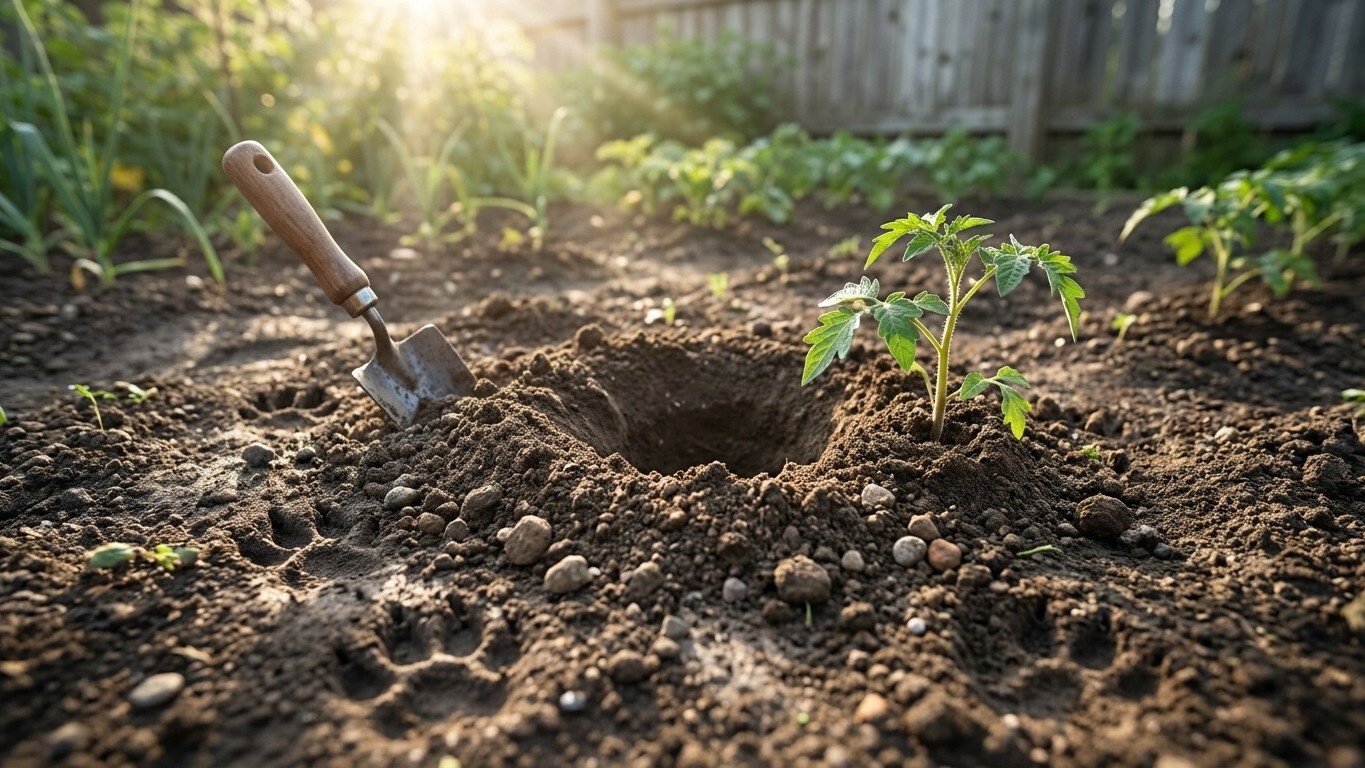
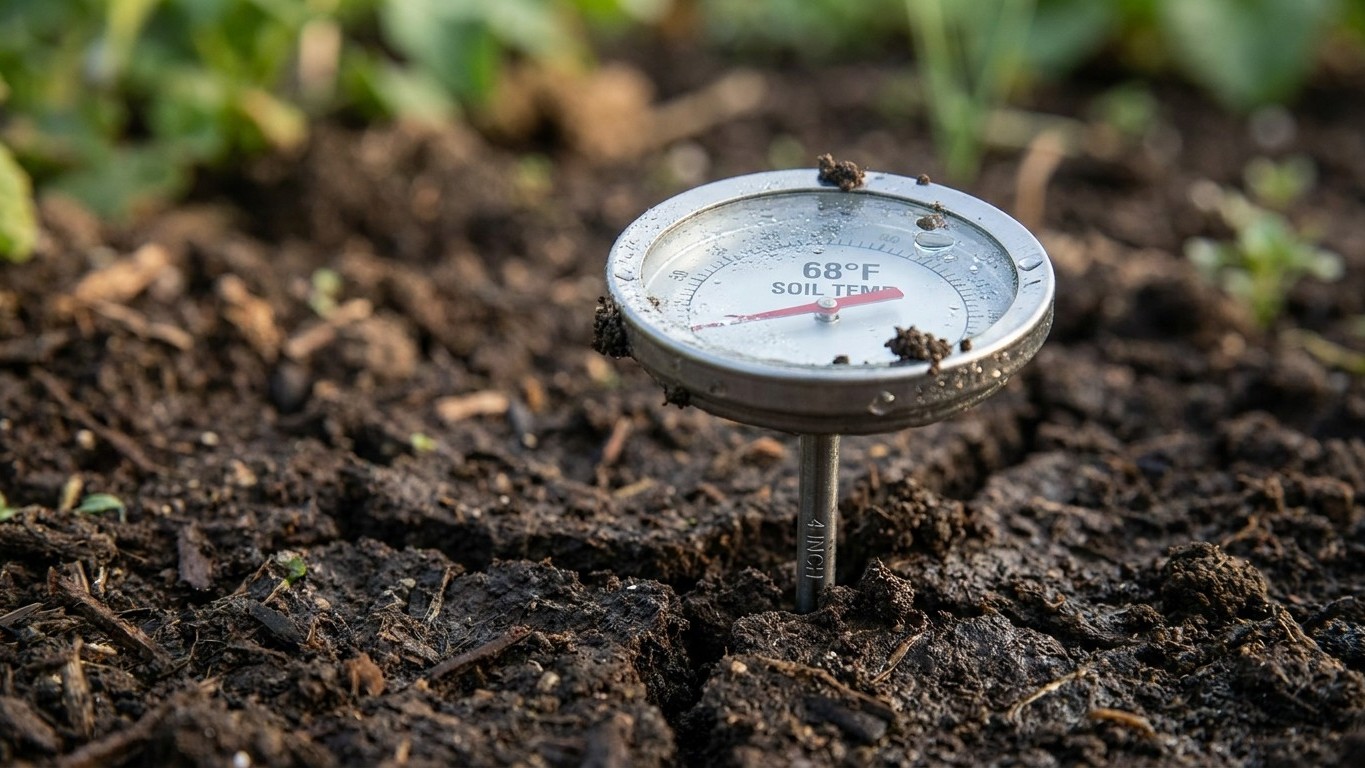
Expert gardeners know a secret that most beginners miss entirely: a specific 5-day window in April that aligns soil temperature, frost probability, and weather stability. Miss it and your seeds rot; catch it and your entire season thrives.

Plant This One Flower in April to Banish Aphids From Your Vegetable Garden

Plant This One Flower in April to Banish Aphids From Your Vegetable Garden

Nasturtiums are nature’s aphid trap crop, luring hungry insects away from your vegetables while attracting beneficial predators. Planting them along garden borders in April creates an ecological pest management system that requires minimal effort but delivers maximum protection.

Stop Pulling Out Dandelions: The Weed Your Vegetable Garden Actually Needs

Stop Pulling Out Dandelions: The Weed Your Vegetable Garden Actually Needs

For decades, gardeners have treated dandelions as invasive pests to be eliminated every spring. But what if the plant you’ve been ripping out is actually the most valuable tool for building rich, productive vegetable soil? Dandelions are dynamic accumulators that break compacted earth, recycle deep minerals, and protect crops from disease.