
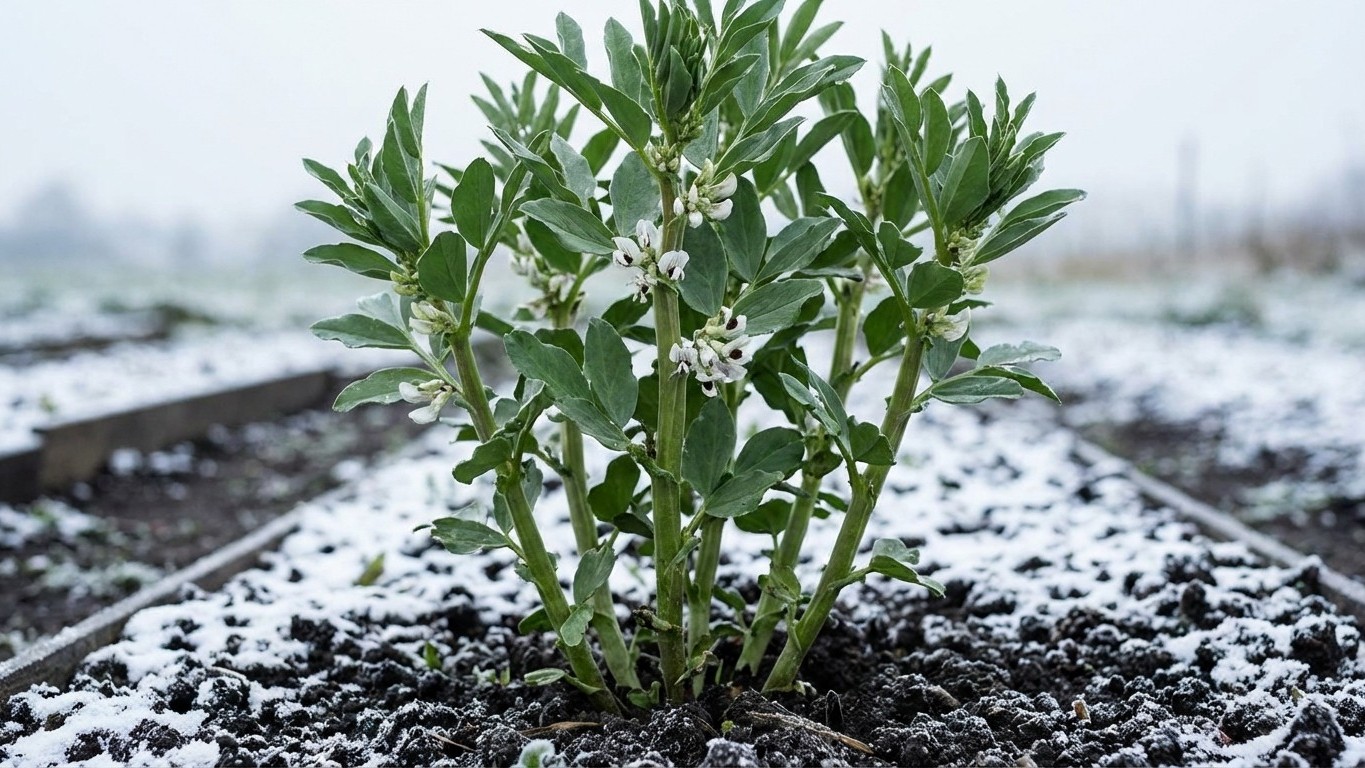
If you picture a winter garden, odds are visions of gray soil and empty beds surface before any real vegetables. Few Americans see abundance in cold months, unless you count the rows of kale or cabbages clinging stubbornly on community plots. But hidden in the shadows of showier winter greens is an unexpected champion: the humble fava bean. Grown since Ancient times yet almost invisible in local garden lore, this old-world legume packs a punch for both soil and appetite.
Key takeaways
- A forgotten winter crop hides powerful soil benefits beneath frost-covered ground.
- This ancient legume quietly builds nutrient-rich soil while other plants struggle.
- Learn how fava beans Transform-your-space-instantly-the-designers-secret-to-colorful-ceilings”>Transform winter gardens and unlock secret growth potential.
The Underdog in Plain Sight
People pass over fava beans for flashier crops. At the grocery store, you’re lucky to spot them once a year, usually sold shelled, frozen, or only in specialty markets. Most home gardeners never consider planting them, barriers like “too bulky,” “too hard to prepare,” or simply “didn’t know you could” loom large. But while favas keep a low profile, their presence in gardens from Italy to Iran (and increasingly, California) speaks volumes. Ancient Egyptian farmers swore by them. Today, eco-savvy growers in the Pacific Northwest and urban Brooklyn are rediscovering just how much fava beans can Transform a garden bed.
Imagine this: a bare winter plot buzzing not with leafy greens alone, but with stout fava stalks shivering against February snow, their roots quietly working a kind of magic below.
Rooted in Resilience
Why favas? Unlike tender crops that wither at the first nip of frost, Vicia faba germinates in soil temperatures as low as 40°F, think late October, when pumpkin displays come down. The seeds, chunky and tough, hunker into chilly soil and explode upwards just as many other vegetables give up. By January, while your spinach sulks and carrots sulk lower still, fava plants stand shoulder to shoulder above ground, unfazed by 20°F mornings.
What’s seldom mentioned: fava beans, as legumes, partner with Rhizobium bacteria in their roots to trap nitrogen from the air and lock it into the earth. Forget synthetic fertilizer. By spring, a patch of fava beans has built an underground bank account of nitrogen, ready for summer crops like peppers, tomatoes, or squash. Legume roots, when left in the soil (just cut plants at ground level), release these nutrients, fueling the next generation of plants with a slow, steady trickle.
The numbers grab your attention. One small bed (the size of a dining table) can add up to a full pound of nitrogen to your garden without a dime spent at the garden center. For context, that’s roughly the annual output of a six-month compost pile, delivered in one winter season, minus the waiting and turning.
Versatility on the Plate and Plot
Of course, favas aren’t just a gift to the garden. Their pods appear in late April, long before most summer vegetables are even thinking about blooming. Peeling them can feel like a test of patience, sure, but the payoff: sweet, nutty beans that are almost buttery after a quick sauté. Mediterannean cooks treat them as spring royalty, turning those first green spoils into everything from salads to savory stews. Even the young leaves, tender and bright, make a fine salad with a dash of oil and lemon.
The draw for soil revival is as strong as the culinary lure. Once the beans are picked, gardeners often chop fava plants at the base, letting roots remain. The stalks and leaves can then be cut up and added right back to the soil as mulch or green manure, further enriching it. Instead of hauling bags of compost or synthetic amendments, one simple crop closes the nutrient loop.
Years ago, I met a community gardener in Seattle who called his favas “the February workhorses.” He planted them as cover each fall, not to harvest, but to replenish soil after summer’s heavy hitters, like tomatoes and corn. The result? Beds that looked, and produced, better after every cycle. His advice: never underestimate the quiet crops.
Cultivating the Overlooked Champion
You might catch neighbors peering over the fence, puzzled at your out-of-season planting. Some will ask if you’ve given up on gardening for the winter. Others, especially older immigrants, may swap recipes or reminisce about favas from their homelands. Suddenly, a single patch of beans knits together a global tradition with hyper-local soil care.
You won’t see rows of favas in glossy lifestyle magazines or on the Instagram accounts of trend-chasing gardeners. There are no stylized “fava harvest” shots or viral videos showing their roots fortifying beds from within. Yet for those who are tired of disappointed tomato yields, or who cringe at the rising price of fertilizer, a winter’s worth of fava beans becomes irresistible.
Most remarkable of all: these sturdy plants do their work quietly, claiming no spotlight, all the while transforming the very ground beneath them.
Maybe next winter, the empty garden bed out back doesn’t need to be an emblem of dormancy or defeat. It could be a launching pad for spring, burial ground for Kitchen scraps, and stage for an old-world legume that quietly redefines what a winter garden can do. Will the fava bean experience a renaissance among American gardeners, or remain a whispered secret passed between those who value abundance below the surface? The answer might sprout with your next planting.