
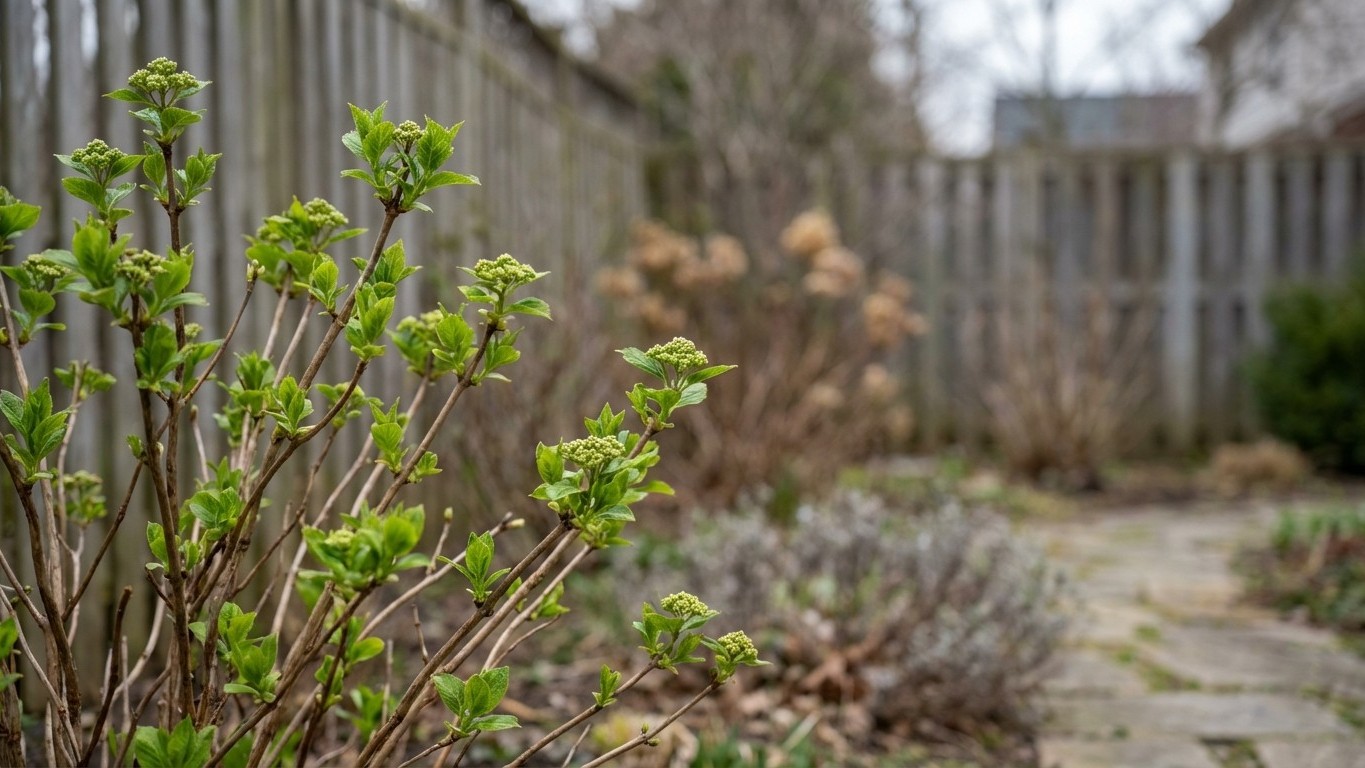
Hydrangeas, with their lush blooms and vibrant colors, are a highlight in many gardens. Yet, it’s not uncommon for these plants to underperform, leaving gardeners puzzled over the lack of Flowers-for-a-stunning-spring-bloom”>Flowers. As late winter sets in, it’s the perfect time to implement strategies that will set the stage for a spectacular hydrangea display in 2026.
Key takeaways
- Are you pruning your hydrangeas at the wrong time Without knowing it?
- Could your soil be secretly sabotaging your blooms?
- What late winter care truly makes the difference for next season’s flowers?
Understanding Your Hydrangea Type
First things first: know your hydrangea. Different species have distinct blooming habits, and misidentifying them can lead to improper care. For instance, bigleaf (Hydrangea macrophylla) and oakleaf (Hydrangea quercifolia) varieties bloom on old wood, meaning they set their flower buds on the previous year’s growth. Pruning these types in late winter can inadvertently remove the buds, resulting in a bloomless season. On the other hand, panicle (Hydrangea paniculata) and smooth (Hydrangea arborescens) hydrangeas bloom on new wood, so they can be pruned in late winter or early spring without sacrificing flowers. gardeningknowhow.com
Pruning Practices: Timing Is Everything
Pruning is a double-edged sword. Done correctly, it invigorates the plant; done incorrectly, it can spell disaster for your blooms. For old wood bloomers, avoid pruning in late winter. Instead, wait until after they have flowered in summer to trim them back. This ensures you don’t remove the buds that will become next season’s flowers. For new wood bloomers, late winter pruning is beneficial. Cutting them back to about 12-24 inches above the ground encourages robust growth and abundant blooms. gardenia.net
Soil Health: The Foundation of Blooming Success
Hydrangeas are particular about their soil. They thrive in well-Draining, rich, and slightly acidic to Neutral soils. Late winter is an excellent time to test your soil’s pH and nutrient levels. If your soil is too alkaline, adding sulfur can lower the pH, creating a more hospitable environment for hydrangeas. Conversely, if it’s too acidic, incorporating lime can raise the pH. Remember, the soil’s pH can also influence the color of certain hydrangea blooms, particularly in bigleaf varieties. gardeningknowhow.com
Protecting Buds from Late Frosts
Late winter and early spring frosts can be detrimental to hydrangea buds, especially for those that bloom on old wood. To safeguard your plants, consider applying a layer of mulch around the base to insulate the roots and lower stems. In regions prone to Unexpected cold snaps, covering your hydrangeas with burlap or frost cloth can provide additional protection. aol.com
Watering and Fertilization: Striking the Right Balance
Hydrangeas prefer consistent moisture but detest waterlogged conditions. Ensure your plants receive about one inch of water per week, adjusting for rainfall. Overwatering can lead to root rot, while underwatering can stress the plant, both of which can impede blooming. When it comes to fertilization, less is often more. Over-fertilizing, especially with high-nitrogen fertilizers, can promote lush foliage at the expense of flowers. Opt for a balanced, slow-release fertilizer applied in early spring to support healthy growth and blooming. epicgardening.com
By understanding your hydrangea’s specific needs and tailoring your late winter care accordingly, you can set the stage for a breathtaking bloom display in 2026. Remember, patience and attentiveness are key. With the right practices, your hydrangeas will reward you with their full, vibrant beauty.