
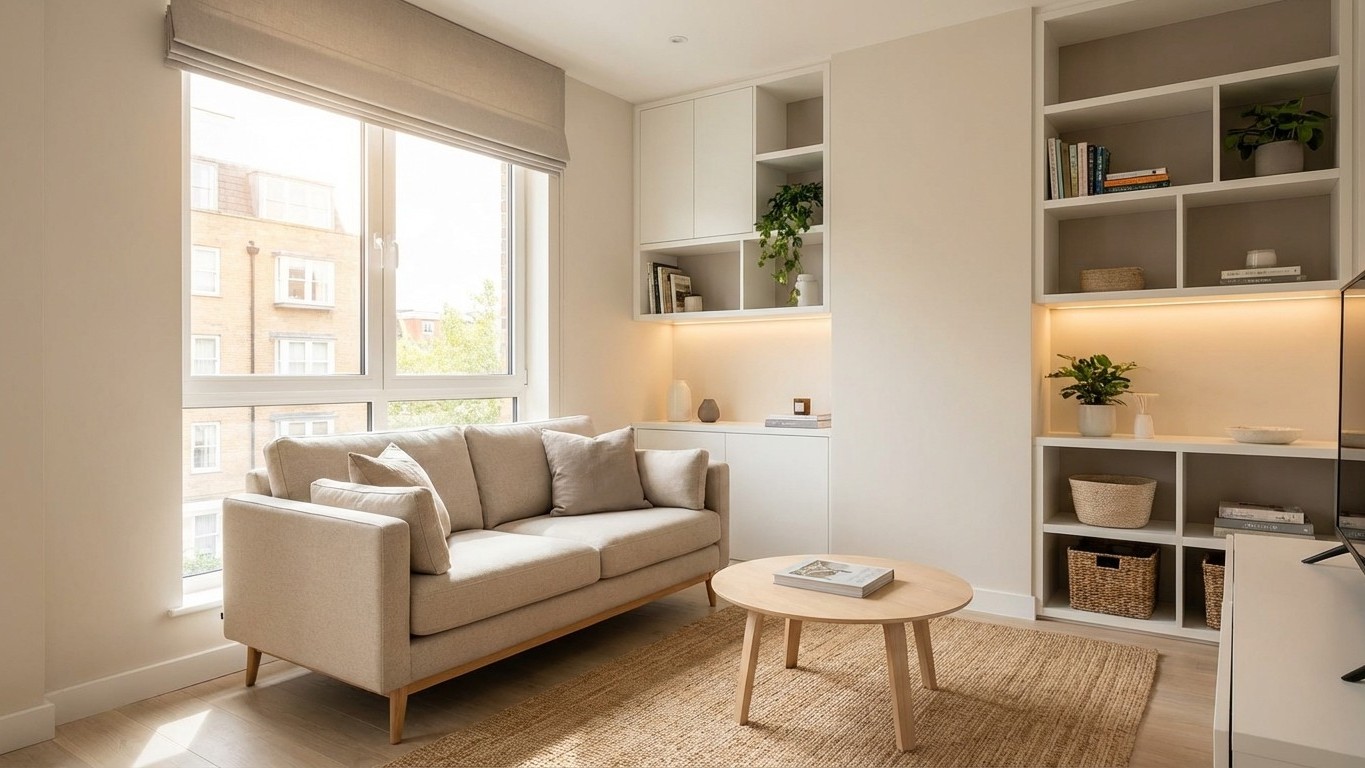
When You’re Living in a compact 25-square-meter space, every Furniture decision becomes a chess move that could either liberate or suffocate your home. The moment you finally find a sofa that works isn’t just about comfort—it’s about unlocking the full potential of your small apartment. Yet most people approach sofa shopping with a checklist that completely misses the mark for tiny living spaces.
The conventional wisdom tells us to measure our space, check the doorway width, and consider the color scheme. While these basics matter, they barely scratch the surface of what makes a sofa truly compatible with small-space living. The real game-changers are The Subtle details that Furniture stores rarely highlight and that most buyers never think to investigate.
The Weight Factor That everything-based-on-your-sofa-stain-type”>Changes Everything
One of the most overlooked aspects of sofa selection is weight distribution and mobility. In a 25-square-meter apartment, your sofa isn’t just a piece of furniture—it’s a room divider, a dining table extension, and sometimes even a makeshift workspace. The ability to occasionally shift your sofa a few inches can mean the difference between hosting friends comfortably and feeling cramped in your own space.
Heavy sofas with solid wood frames might seem luxurious, but they become immovable anchors in small spaces. Instead, look for pieces with quality lightweight frames that maintain structural integrity while allowing for occasional repositioning. Metal frames with proper engineering often provide the sweet spot between durability and flexibility that small-space dwellers desperately need.
The leg configuration matters more than most realize. Sofas with visible legs create visual breathing room underneath, making your space feel larger. But beyond aesthetics, the right leg design allows for easy cleaning and prevents that claustrophobic feeling that comes with furniture that sits heavily on the floor. Tapered legs or sleek metal supports can transform how your entire room feels.
Storage Integration Beyond the Obvious
Everyone knows about storage ottomans and sofas with built-in compartments, but the real storage magic happens in the details. The space between cushions, the depth of seat crevices, and even the configuration of armrests can provide crucial storage opportunities that aren’t immediately apparent.
Consider how your sofa interacts with other storage solutions. A sofa with a slightly lower back height might allow you to place a console table behind it, Instantly doubling your surface area for lamps, books, or decorative items. The armrest height determines whether you can slide a laptop table or tray table alongside for working or eating—a crucial consideration when your sofa serves multiple functions throughout the day.
The cushion configuration also impacts your storage ecosystem. Individual cushions that can be removed create temporary storage access and allow for more flexible seating arrangements when entertaining. Fixed cushions might look cleaner, but they limit your ability to adapt the space for different activities.
The Proportions That Fool Everyone
Small-space sofa shopping becomes a masterclass in understanding visual proportions versus actual functionality. A sofa that looks perfectly sized in a showroom can overwhelm a tiny apartment, not because of its actual dimensions, but because of how its proportions interact with your specific space constraints.
Seat depth deserves particular attention in small spaces. Standard seat depths of 20-24 inches work well for average-height people in spacious rooms, but in compact apartments, a slightly shallower seat depth of 18-20 inches can provide adequate comfort while Winter”>leaving more room for walking paths and other activities. This seemingly minor adjustment can make your entire living area feel more navigable.
The relationship between sofa height and ceiling height creates psychological spaciousness that measurements alone can’t capture. Actually-reveal-a-bored-dog”>Actually-a-lifesaver-for-hedgehogs-struggling-through-winter-nights”>Actually-stresses-your-dog-the-science-behind-misunderstood”>Actually-thrive-better-in-apartments-than-houses-the-results-will-surprise-you”>in Apartments with standard 8-foot ceilings, a sofa with a back height around 30-32 inches maintains proper proportions Without making the room feel closed in. Higher backs might provide more support but can make already compact spaces feel even smaller.
Function Integration That Actually Works
The most successful small-space sofas seamlessly integrate into your daily routines without requiring constant furniture rearrangement. This means considering how your sofa works with technology, lighting, and your specific lifestyle patterns.
Cable management might seem trivial, but in a space where your sofa likely sits near multiple electronics, the ability to discreetly route charging cables and device connections can eliminate visual clutter That Makes small spaces feel chaotic. Some sofas now include subtle cable management features or USB ports that address these real-world needs.
Think about how natural light moves through your space throughout the day. A sofa positioned to take advantage of morning light for reading or evening light for relaxation adds functionality that goes beyond simple seating. The fabric choice impacts this too—materials that show wear and fading quickly will look tired in a space where the sofa gets constant use and attention.
Finally, consider the sofa’s acoustic properties in your compact space. Hard surfaces and minimal soft furnishings can make small apartments echo. A sofa with the right fabric density and cushion construction can significantly improve your space’s sound quality, making it more pleasant for both daily living and entertaining guests. This often-ignored factor can transform how comfortable and welcoming your tiny apartment feels to both you and your visitors.