
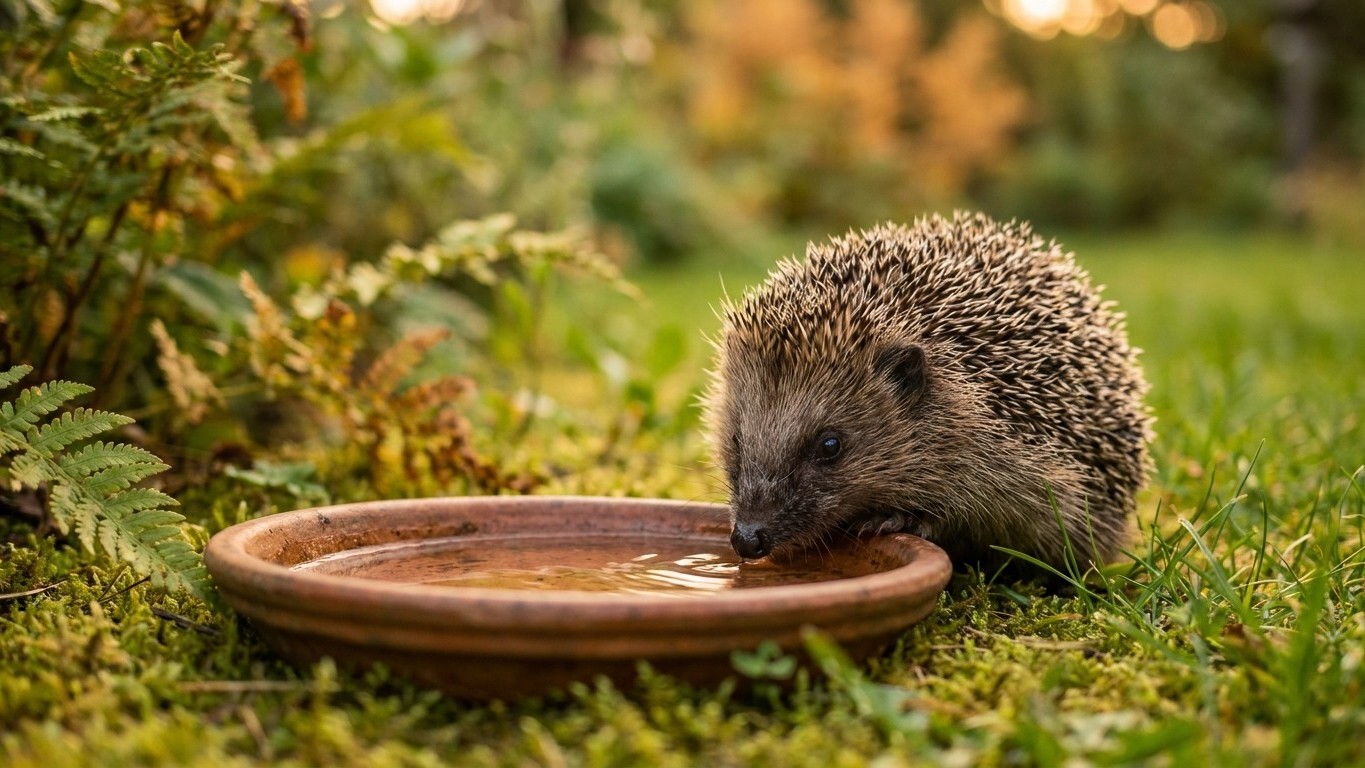
A wildlife rescuer once put it bluntly: that saucer of milk you’re leaving out isn’t a treat. It’s a slow-motion stomach ache waiting to happen. Hedgehogs are lactose intolerant, so they should never be given milk. Yet for generations, milk and bread were considered the standard garden offering for these spiny nighttime visitors, a well-meaning habit passed down through decades of good intentions and bad science.
The mechanism is simpler than most people expect. Hedgehogs are mammals, and most mammals make less and less lactase after weaning. Lactase is an enzyme. It breaks down lactose, or milk sugar. So a lactase lack leads to lactose intolerance. Without that enzyme, the sugar just sits in the gut, undigested, waiting for bacteria to ferment it into gas and misery.
Key takeaways
- A wildlife rescuer reveals the hidden damage caused by the ‘harmless’ saucer of milk every gardener leaves out
- Inside a hedgehog’s gut: what happens when lactose ferments and why rescuers spot the telltale greenish warning sign
- The foods most people think are safe—goat’s milk, mealworms, bread—all carry hidden costs that can cripple or kill
What actually happens inside a hedgehog’s gut
Rescue centers see the fallout up close. The lactose remains undigested in the intestine; gut bacteria can adapt to fermenting this sugar, producing gas, which builds up to cause stomach cramps and diarrhoea, with greenish diarrhoea documented in captive individuals fed on cow’s milk and bread. That greenish tint isn’t a random detail. It’s become the textbook symptom rescuers look for when diagnosing a hedgehog that’s been on the wrong diet.
Diarrhea in a small, spiny mammal is more dangerous than it sounds. Hedgehogs should not drink milk or any other dairy product such as cheese or yogurt because their digestive system cannot handle dairy or lactose, and although it isn’t poisonous, the lactose causes digestive upset, diarrhoea, and strips them of nutrition, making them feel poorly. A hedgehog burning through fat reserves right before hibernation, or a nursing mother feeding hoglets, simply can’t afford that kind of setback. Dehydration sets in fast on a body that small, and a weakened hedgehog is an easier target for predators or cars.
Here’s the detail that surprises most gardeners: switching to goat’s milk doesn’t solve anything. Goat’s milk also contains lactose and is not a safe alternative, and the same digestive problems can occur. Even diluting the milk with water is a myth worth retiring. Diluting milk with water does not make it safe for hedgehogs, because the lactose will still be present and can still cause digestive problems. The only truly safe liquid to leave out is plain water.
Bread isn’t harmless either, and it’s not just about milk
The bread half of the old “bread and milk” combo gets a pass from most people because it doesn’t make anything sick. But it doesn’t help either. Bread is low in energy and is fairly worthless to them. A hedgehog that fills up on bread has less appetite left for the beetles, caterpillars, and earthworms that actually sustain it. Hedgehogs are chiefly insectivores, often travelling a mile or more by night in search of food, with a diet that includes beetles, caterpillars and earthworms, alongside fruit, birds’ eggs and the odd small animal, a wide-ranging menu that ensures their natural diet is perfectly balanced to suit their nutritional needs.
Milk and bread aren’t the only garden staples that deserve a second look. Mealworms and peanuts, both popular because hedgehogs devour them enthusiastically, come with their own hidden cost. Mealworms are not safe to feed to hedgehogs because they have high levels of phosphorus and low levels of calcium, which leads to brittle bones and can cause fractures known as Metabolic Bone Disease, and most hedgehogs found with this condition have to be put down. It’s a sobering statistic for something that looks so much like a harmless snack. Rescuers describe hedgehogs behaving “like a kid in a sweetshop” around mealworms, eating them until they’re gone regardless of the damage building up in their skeleton.
What to leave out instead
The good news is that the fix is almost embarrassingly simple. Tinned cat or dog food, preferably meat-based, along with crushed cat or dog biscuits, and fresh water in a shallow dish, are what rescuers recommend to help hedgehogs thrive. No exotic ingredients, no special trip to a niche pet store. Just the same shelf-stable products already sitting in most households with a cat or dog.
Portion control Matters More Than people assume. Hedgehogs aren’t confined to one yard. Hedgehogs can roam between one and two miles a night visiting multiple gardens, and the small amount put out may also be available in other gardens, so a small amount from each source can add up to a very unbalanced diet. That’s worth remembering before assuming a single overflowing bowl is doing a hedgehog any favors, or before worrying that a modest offering isn’t enough. Consistency across a whole street of gardens matters more than generosity in any one of them.
Water deserves just as much attention as food, more. During cold or dry periods, insects become much scarcer in gardens, so hedgehogs will hugely benefit from a shallow dish of water and supplementary feeding at these times. A heavy, shallow dish, refreshed daily and scrubbed with hot soapy water, does more for a struggling hedgehog population than any specialty food ever could.
The irony is hard to ignore. Millions of well-meaning households spent decades pouring out saucers of milk convinced they were nursing wildlife through hard times, when the same gesture was quietly working against the animals it meant to help. The fix required no new purchase, no research, just unlearning something that felt kind. That’s usually how the best wildlife advice works: less about adding something new, more about noticing which habits were doing damage all along.
Sources : gardenersworld.com | homeandroost.co.uk