
Feeling a chill in your home but hesitant to crank up the thermostat? There are numerous DIY strategies to enhance warmth and coziness without increasing your energy bill. Let’s explore practical and stylish methods to Transform your cold room into a snug haven.
Key takeaways
- Uncover hidden drafts that might be chilling your space.
- Learn how rugs and fabrics can trap warmth effectively.
- Discover Surprising-winter-crop-that-supercharges-your-garden-soil”>Surprising furniture and lighting hacks to boost heat retention.
Seal the Gaps: Draft-Proofing Essentials
Even the smallest gaps around windows and doors can let in cold air, making your heating efforts less effective. Start by identifying drafts: on a windy day, run your hand along window frames and door edges to feel for cold air seeping in. Once located, seal these gaps using weatherstripping, draft stoppers, or caulk. This simple fix can significantly reduce heat loss and improve comfort.
Layer Up: Rugs and Heavy Fabrics
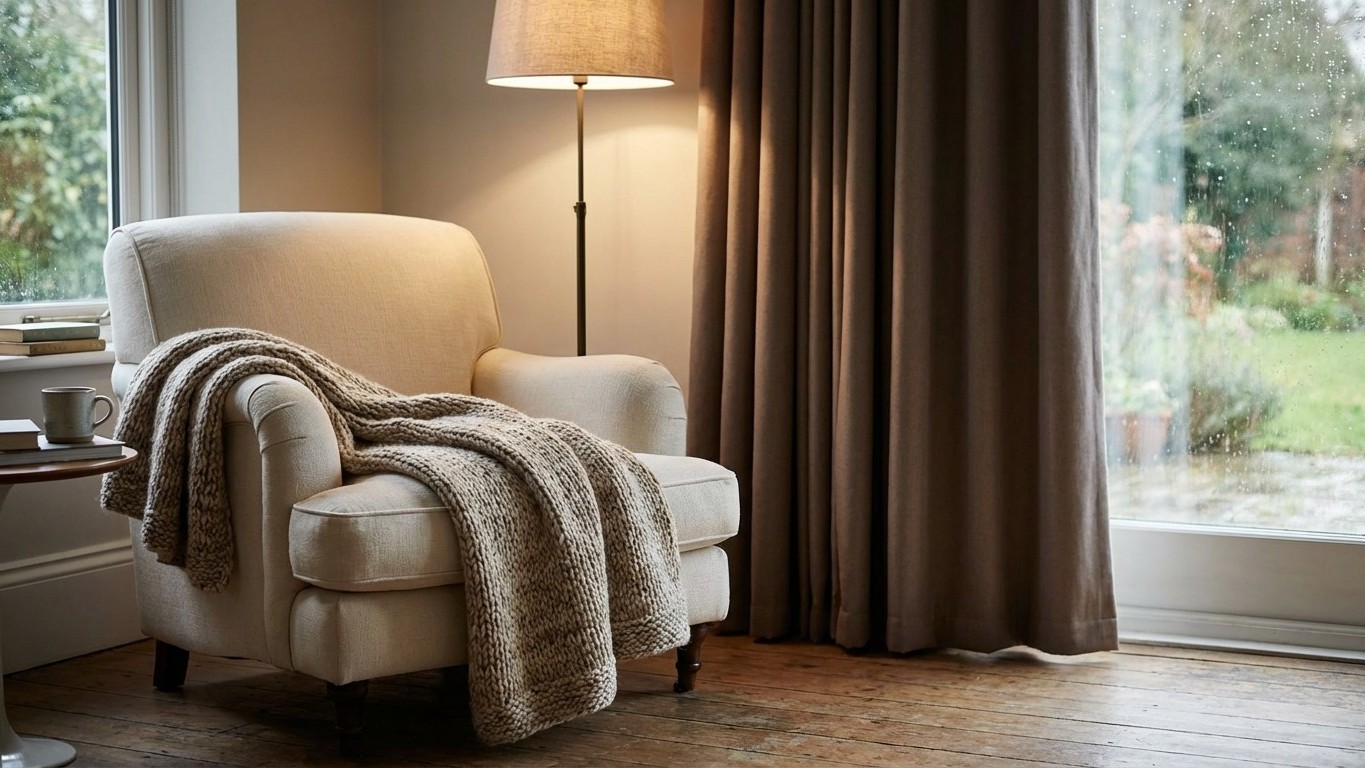
Hardwood or tile floors, while aesthetically pleasing, can contribute to a room’s chilliness. Adding thick rugs, especially those made of wool, can provide Insulation and a warm surface underfoot. Similarly, incorporating heavy fabrics like velvet, wool, or bouclé in your furnishings, think throw blankets, cushions, and upholstery, can help retain heat and add a cozy touch to your decor.
Optimize Window Treatments
Windows are notorious for heat loss. During the day, open curtains to let in natural sunlight, which can naturally warm the room. As evening approaches, close them to trap the heat inside. Investing in thermal or insulated curtains can further enhance this effect, reducing heat loss through windows by over 60%.
Furniture Placement and Room Layout
The arrangement of your furniture can impact how warm a room feels. Ensure that sofas, beds, and chairs are positioned away from external walls and windows, as these areas tend to be cooler. Instead, place seating near interior walls to benefit from the warmth of the house. Additionally, avoid blocking radiators or heating vents with furniture, as this can obstruct heat flow and reduce efficiency.
Utilize Ceiling Fans Strategically
Ceiling fans aren’t just for summer. By setting your fan to rotate clockwise at a low speed during the winter months, you can push warm air that has risen to the ceiling back down into the living space, enhancing the room’s warmth without additional heating.
Insulate from the Top Down
Heat rises, and without proper insulation, much of it can escape through the roof. Ensuring your attic or loft is well-insulated can prevent this heat loss. While this may require an initial investment, the long-term savings on heating bills make it worthwhile. Proper insulation can be effective for up to 40 years, offering both immediate and lasting benefits.
Embrace Warm Lighting
Lighting can influence the perceived warmth of a room. Opt for bulbs with warm color temperatures (1500K–2000K) to create a cozy ambiance. Layering lighting at various heights, such as floor lamps, table lamps, and wall sconces, can add depth and warmth to your space.
By implementing these DIY strategies, you can enhance the warmth and comfort of your home without relying solely on your heating system. Not only will these methods help you stay cozy during the colder months, but they’ll also contribute to energy savings and a more inviting living environment.