
Roses have a reputation for being difficult. Temperamental. The kind of plant that rewards expertise and punishes guesswork. For years, I believed that reputation was earned, because no matter how carefully I followed the general advice, my roses came back scraggly, reluctant to bloom, and always a season behind where they should have been. The culprit, it turned out, wasn’t my fertilizer routine or my soil pH. It was timing. Specifically, I was Pruning at the wrong moment, every single year, without realizing it.
Key takeaways
- One overlooked timing rule has been quietly perfected by master gardeners for decades
- Most gardeners have been pruning at the worst possible moment every single year without knowing it
- The transformation in bloom size, health, and vigor happens in the first season you get this right
The Forsythia Rule Nobody Tells You About
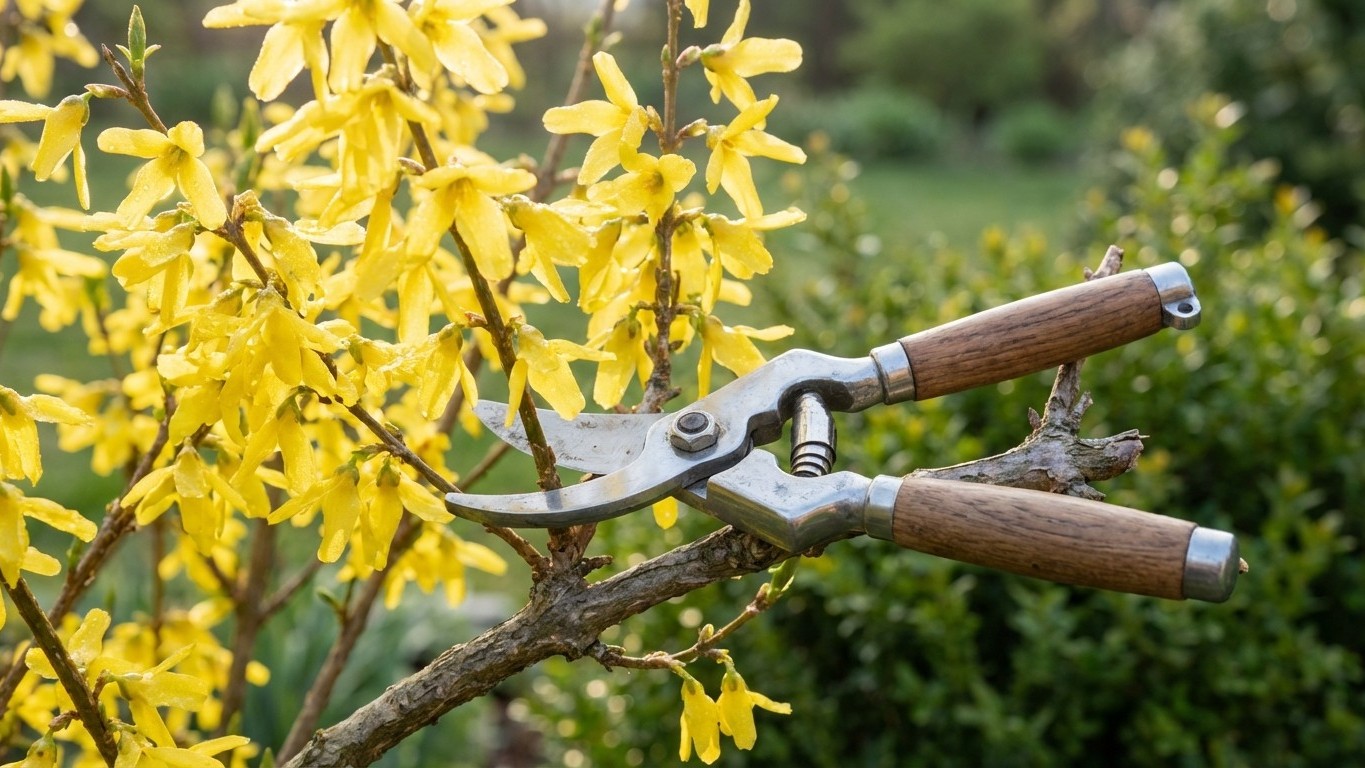
Here’s what changed everything: stop watching the calendar, start watching your forsythia. Master gardeners and rosarians have passed this trick around for decades, but it rarely makes it into mainstream gardening content. The rule is simple, when forsythia blooms yellow in your yard or neighborhood, your roses are ready to be pruned. Not before, not two weeks after. Right then.
The logic is rooted in soil temperature, not air temperature. Forsythia blooms when the ground has warmed to a consistent range that also signals roses to push new growth from their crowns. Pruning at this exact window means your cuts heal quickly, new canes emerge with energy, and the plant doesn’t waste resources trying to protect fresh wounds through a late cold snap. Prune in February because it felt mild and you’ll often trigger growth that a March frost then kills back, leaving the rose exhausted and stunted before summer even begins.
The reason I got this wrong for so long is that every source I consulted gave me a month. “Prune in late winter.” “Cut back in early spring.” Those instructions assume you live in a textbook climate with textbook winters. Most of us don’t. The forsythia method adapts automatically to wherever you are, whatever year it is. A warm February in the mid-Atlantic and a slow spring in the Pacific Northwest require completely different timelines, and forsythia accounts for both Without you having to do any calculation.
What Happens When You Get the Timing Right
The transformation in my garden was almost embarrassing. Same roses I’d been wrestling with for years, same soil, same watering schedule. The first season I followed the forsythia bloom as my signal, the plants pushed canes that were visibly thicker than anything they’d produced before. Blooms arrived three weeks earlier than my previous best. The bushes looked, for the first time, like the roses in the photos that had inspired me to plant them.
Correct timing does something specific to a rose’s energy cycle. The plant has spent winter storing carbohydrates in its root system. When you prune at the right moment, those reserves pour directly into the fresh cuts, fueling new growth with maximum efficiency. Prune too early and the cold interrupts that process. Prune too late and the plant has already committed energy to growth you’re about to remove, a waste that compounds over multiple seasons into a progressively weaker shrub.
There’s also a disease angle worth taking seriously. Open cuts on rose canes are entry points for fungal infections, especially the aptly named rose canker. Warm soil temperatures at the time of the forsythia bloom mean the plant’s natural defenses are active. The wound calluses faster. The cane seals before spores can establish. This is why the “prune on a warm day in February” approach so often ends in blackened, dying canes by April, the warmth of the air means nothing if the soil is still cold.
The Actual Pruning: What to Cut and How Deep
Once you’ve got the timing down, the technique becomes much more forgiving. For hybrid teas and grandifloras (the classic high-centered roses that most people picture), aim to remove about one-third to one-half of the overall plant height. You’re not trying to be brutal, you’re shaping a framework of four to six strong outward-facing canes that will carry the season’s blooms.
Cut at a 45-degree angle, about a quarter inch above an outward-facing bud. The angle matters because it sheds water away from the cut, reducing rot. The outward-facing direction matters because it trains new canes to grow away from the center, improving air circulation through the bush, which directly reduces the humidity that black spot and powdery mildew need to take hold.
Shrub roses and old garden roses are a different conversation. Many of them bloom on old wood and need only light shaping and dead wood removal rather than hard cuts. If you’ve been giving your once-Blooming heritage roses the same aggressive treatment as your hybrid teas, that’s likely another reason they’ve frustrated you. The timing rule still applies across all types, but the depth of the cut varies considerably by variety.
One tool note, because it matters more than people admit: use bypass pruners, never anvil pruners, for living canes. Anvil pruners crush the stem slightly as they cut, and that crushed tissue is exactly the kind of damaged entry point that invites disease. Sharp bypass pruners leave a clean, fast-healing wound. If your pruners drag or tear rather than slice, take ten Minutes to sharpen or replace them before you go near a single cane.
Rethinking Your Rose Relationship
The deeper shift this timing rule forced on me was learning to read the garden rather than manage it by schedule. A calendar is a human construct. A forsythia blooming is a signal the ecosystem has been calibrating for thousands of years. There’s something almost philosophical about that trade, surrendering the illusion of control for a system that Actually works.
If you’ve written roses off as too demanding, too fussy, the kind of plant that belongs to people with more patience or more expertise, it might be worth asking whether the problem was ever the rose at all. Sometimes the most complex-looking problems in a garden trace back to a single, quiet variable that nobody thought to mention.