
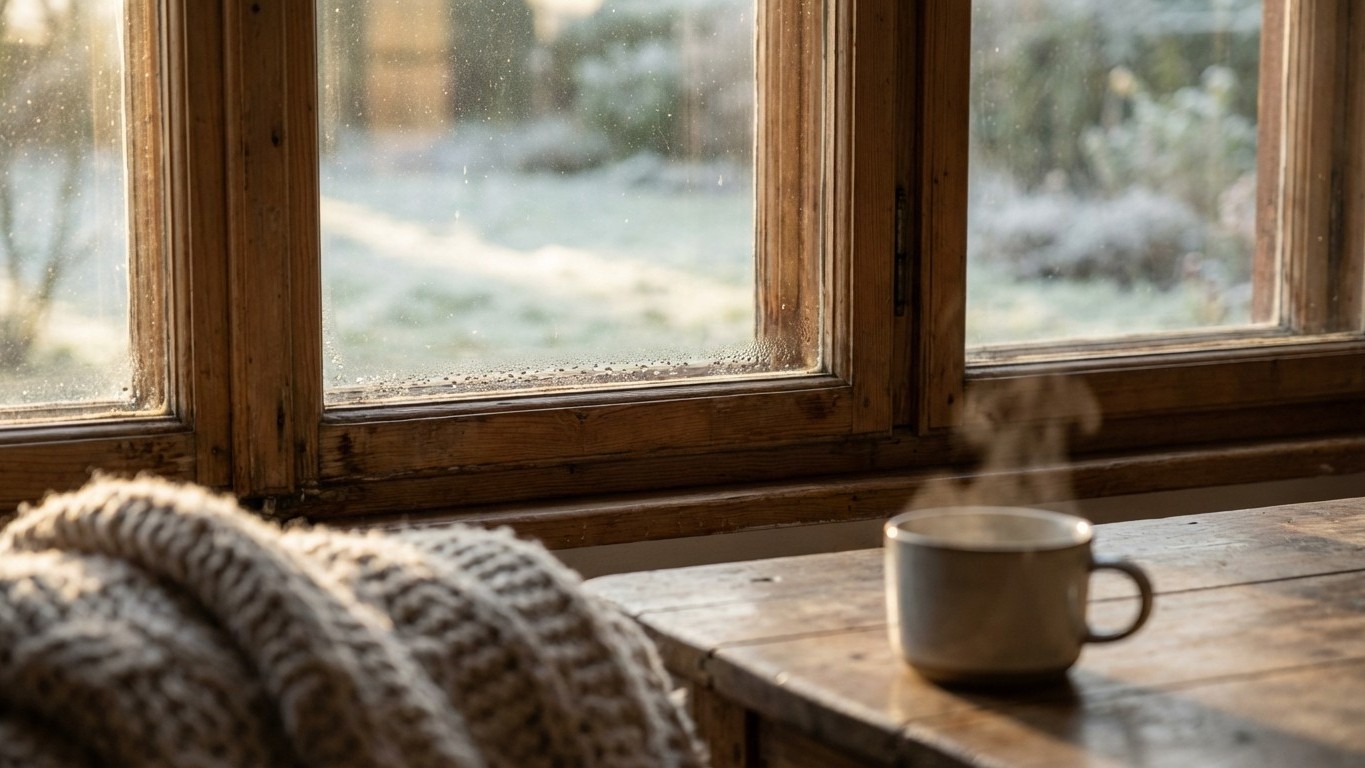
The thermometer reads 20 degrees. Inside your home, the furnace is working overtime, and still your toes feel like ice cubes. Why? Invisible mistakes, subtle errors in how we treat our windows, let precious heat escape, draining your comfort and your wallet each winter. For most Americans, the gap between a cozy living room and a painful Heating bill is little wider than the frame of a single pane window.
Key takeaways
- Why your cozy home feels chilly despite the heat running nonstop.
- The real heat loss hidden around your window frames and overlooked habits.
- Simple tricks and myths busted to help you hold onto warmth and money.
Old Habits, New Expenses
Centuries back, windows were so drafty you could see your breath pool along the glass, and still, many homes today repeat those age-old blunders. Plastic wrap slapped hastily on frames, heavy curtains always drawn, a never-ending war with condensation. Yet these fixes often miss the real sources of heat loss and, in some cases, can worsen the problem.
Start with a common one: leaving blinds or curtains closed all day trying to trap warmth. Sunlight is free. On a clear winter day, natural light alone can boost a sunny room’s temperature, sometimes by several degrees over an afternoon. Keeping curtains shut blocks not just the chill but also the sun’s low, energizing rays, meaning you pay for heat the planet is offering you gratis.
Then, there’s the matter of the frame itself. Many think of double-paned windows as a magic bullet. The truth? Even the best glass can become a highway for heat to escape if the frame is warped, or if tiny cracks (barely visible) snake around old caulking. Research out of the Department of Energy estimates nearly a third of residential heating loss leaves through windows. That’s as if every house in the city of Chicago tossed their furnace heat out the window, literally.
The Science You Can’t See (But Feel on Your Wallet)
Heat doesn’t vanish: it moves, and winter is its Favorite time to stage a getaway. Three processes let the warmth sneak out, conduction (through the glass), convection (as air drafts pass), and radiation (infrared warmth heading outdoors). Each calls for a different counter-attack. Heavy drapes block some conduction, but if the air is leaking through the sides, you’re losing even more via convection. And if you’re ignoring the window’s orientation, north windows bleed heat, south windows can gain it, then you’re missing a tailor-made opportunity for savings.
An anecdote from an old stone farmhouse: a family placed a thermal camera on their living room window one December night. The screen exploded in colors, deep blues and purples tracing the glass, fiery reds wicking along the frame’s edges. The culprit? Not the pane. The ancient, cracked sealant that no one had touched in decades. Re-sealing the frame shaved over 10% from their heating bill that winter. Sometimes, invisible leaks are costlier than a wide-open window for a few Minutes.
Modern Myths and Real Solutions
Ask around and you’ll run into myths tangled into advice, passed down like winter coats. One favorite: leaving a “crack” in the window for air circulation, even on the coldest days. The only thing circulating efficiently here is your paycheck, right out the window. While ventilation matters, using a dedicated vent or heat recovery system does the job Without-touching-the-thermostat”>Without letting your expensive warm air go free.
Meanwhile, old wood windows present a paradox. They’re beautiful and, when cared for, surprisingly efficient. Regular maintenance, tightening hardware, repainting sashes, replacing brittle putty—pays back in warmth. For those willing to invest, even storm windows (modern versions launched in the last decade) can be mounted inside, nearly doubling performance. Extra glass, extra buffer, less heat lost each cold snap.
Heat Retention: Small Changes, Real Money
Every winter, families across the country roll towels to jam under windowsills, desperate to banish that icy draft. Sometimes, it’s effective. But overlooked upgrades, like thermal-backed curtains (which only cost a little more than standard), or cellular shades that trap a pocket of air—punch above their weight. Neither needs a weekend of DIY expertise. And for renters, these tricks are game changers, providing warmth without upsetting landlords or leases.
But technology alone doesn’t solve the problem. The real power lies in observation, touching frames for cold spots, watching for near-invisible condensation, paying attention to which rooms freeze first. Thermal leak detectors are available at most hardware stores for less than the price of a fancy dinner. Sometimes, seeing (or feeling) the invisible is believing.
Still, tackling window heat loss isn’t only about saving money. It means less fuel burned, fewer carbon emissions, and a greener home, too. For families whose budgets shudder every time the heater kicks on, those invisible savings mean more freedom for everything else, movie nights, better groceries, maybe even a winter getaway somewhere with palm trees (and no drafts at all).
As the next cold front rolls in, the question lingers. Which window mistake is costing you most this winter, and how much longer do you want to keep paying for heat you never feel?