
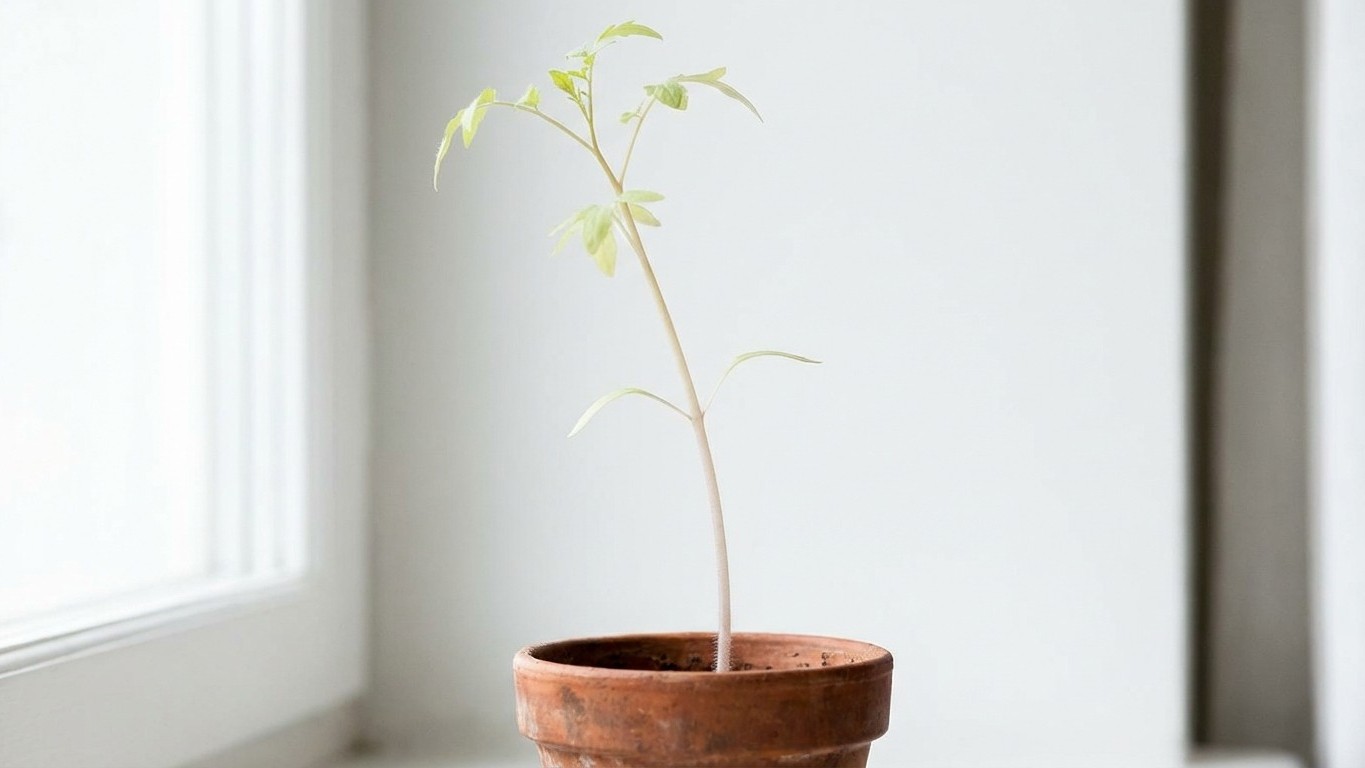
March feels like a fresh start. The seed catalogs have been dog-eared since January“>January, the grow lights are humming, and somewhere on your kitchen counter sits a tray of tiny pots filled with promise. Most home gardeners are genuinely excited this time of year, and that excitement is exactly what gets them into trouble. The single most common mistake made in March doesn’t happen in the garden. It happens weeks before anyone touches soil.
Starting tomatoes too early indoors is the quiet killer of summer harvests. It sounds counterintuitive, surely more time means bigger, stronger plants?, but tomato seedlings started six, eight, or ten weeks before your last frost date almost always become what gardeners call “leggy”: tall, thin-stemmed, root-bound plants that have exhausted their nursery energy before they ever see the sun. By the time transplanting day arrives, they’re struggling, not thriving.
Key takeaways
- The standard ‘6-8 weeks before frost’ rule is causing more problems than it solves for home gardeners
- Soil temperature matters more than air temperature, and most gardeners plant into dangerously cold ground
- A simple three-week delay plus proper preparation techniques can double your tomato success rate
Why the Calendar Is Lying to You
Every bag of potting mix, every seed packet, every well-meaning gardening blog repeats the same mantra: “Start tomatoes 6-8 weeks before your last frost date.” The problem is that most people treat their last frost date as a hard deadline rather than a statistical average. In reality, that date is the point at which your region historically has a 50% chance of no further frost, which means, mathematically, it’s wrong half the time. Add a late cold snap, a cloudy spring that delays hardening off, and seedlings that are already eight weeks old and climbing toward your ceiling lights, and you’ve got a recipe for transplant shock and a delayed harvest.
A tomato planted outdoors at six weeks old, properly hardened off, will almost always outperform a twelve-week-old root-bound plant dropped into the ground in desperation. The younger plant adapts. The older one sulks. Gardeners who have grown tomatoes for decades will tell you this with the quiet confidence of someone who learned it the hard way, usually after losing an entire flat of plants they’d been nurturing since February.
The Soil Temperature Secret Nobody Talks About Enough
Here’s where the real mistake compounds itself. Even when gardeners start seeds at the right time, they ignore what’s happening outside: the soil. Tomatoes don’t just need air temperatures above frost level, they need soil that has genuinely warmed up. Below 60°F, tomato roots essentially go on strike. Growth stalls, nutrient uptake slows, and the plant becomes vulnerable to fungal issues that thrive in cold, wet conditions. Planting into a garden bed where the soil is still sitting at 50°F is like sending someone to run a race in ski boots.
An inexpensive soil thermometer, the kind that costs less than a single bag of fertilizer, can change your entire approach. Check the temperature six inches down in the morning, which is when soil is coldest. Aim for a consistent 65°F before you transplant. In most of the northern United States, that doesn’t happen until late May, sometimes June. Yes, even if your last frost date is mid-May. The gap between “frost-free” and “warm enough for tomatoes to thrive” is larger than most people realize, and planting into cold soil is one of the most reliable ways to guarantee a mediocre harvest regardless of how well you grew your seedlings.
What Actually Works: A More Honest Timeline
Rethinking your March routine doesn’t mean doing less, it means doing the right things at the right time. If your last frost date falls in mid-May, your tomato seeds belong in trays around the first week of April, not the first week of March. That six-week window gives you compact, vigorous seedlings with healthy root systems that haven’t yet started circling the bottom of their containers in frustration.
Use that extra time in March wisely. Amend your garden beds now, while there’s no pressure. Work in compost, check your drainage, and consider laying black plastic mulch over the beds you plan to use, it absorbs heat and can raise soil temperature by as much as 10°F, which effectively extends your safe planting window earlier into spring. This is one of those techniques that feels almost too simple to be effective, and yet commercial tomato growers use it routinely for exactly this reason.
Hardening off also deserves more respect than it typically gets. Most gardeners do a cursory three or four days of outdoor exposure before transplanting. The plants need closer to two weeks, moving gradually from shade to partial sun to full sun, with careful attention to wind exposure, which stresses stems and triggers the kind of cell strengthening that makes plants resilient. A seedling that has been properly hardened off looks different, stockier, darker green, with a slight resistance when you touch the stem. That’s the plant you want going into the ground.
One surprising hedge against the whole early-planting trap: variety selection. Shorter-season tomatoes like ‘Stupice’ or ‘Siletz’ were bred for exactly the kind of cool, compressed summers that plague gardeners in the Upper Midwest or the Pacific Northwest. Choosing a variety suited to your actual climate, rather than the sun-drenched fantasy version you see on seed packets, is a decision that pays out across the entire season.
The gardening industry, almost by design, encourages impatience. Seed companies start mailing catalogs in December. Hardware stores stock tomato cages in February. The whole apparatus pushes you toward earlier action, which tends to sell more products without necessarily growing better tomatoes. What if the real competitive advantage this season was simply waiting three more weeks, and using that time to prepare the conditions where tomatoes Actually want to grow?