
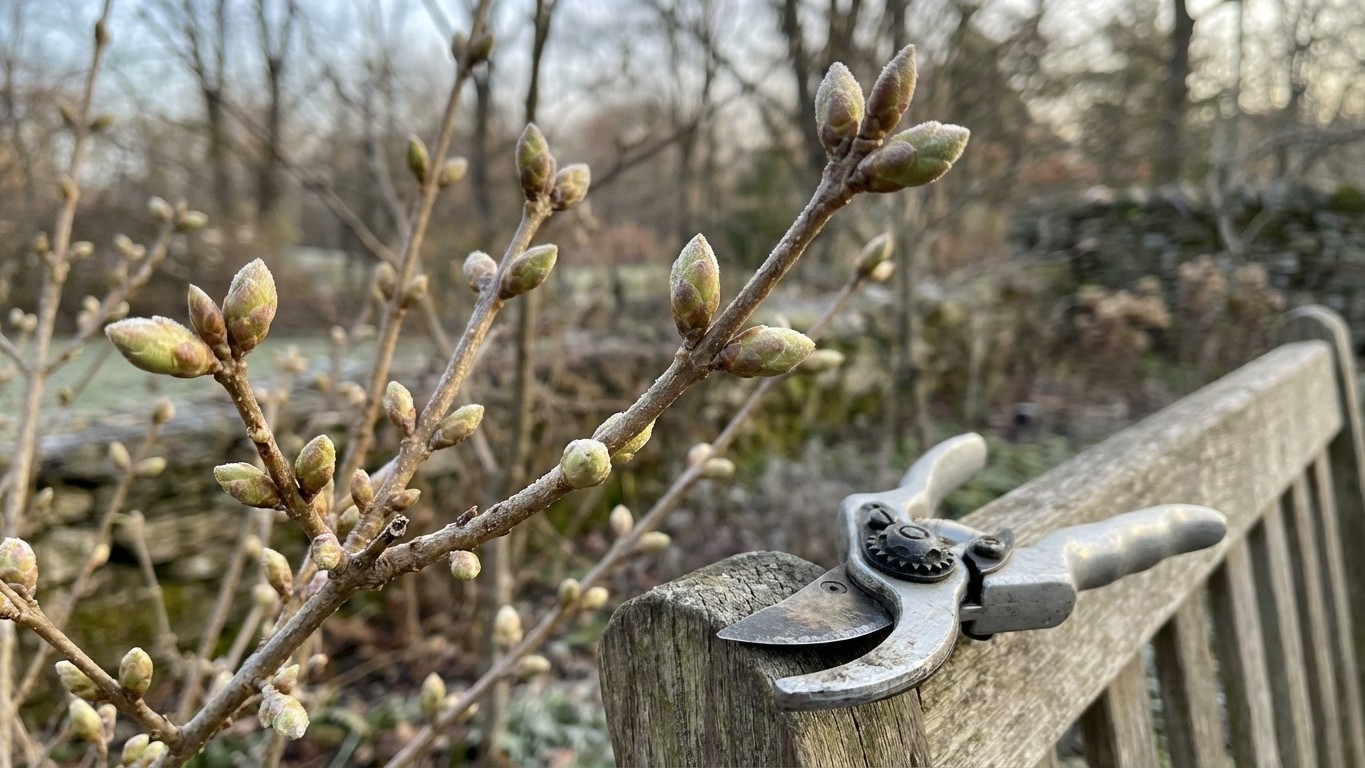
February arrives with the promise of spring, and many gardeners feel the irresistible urge to head outside with their pruning shears. The days are getting longer, the weather is warming slightly, and those dormant plants seem to be begging for attention. Yet this eagerness leads to one of the most devastating mistakes in home gardening: pruning too early or too hard, especially on shrubs that bloom on old wood.
This single misstep can Transform what Should Have been a spectacular spring display into bare, flowerless branches that mock your gardening ambitions for months. Understanding why this happens and how to avoid it could mean the difference between a thriving garden and a disappointing growing season.
The Science Behind the Catastrophe
The February pruning disaster stems from a fundamental misunderstanding of how plants prepare for their annual show. Spring-bloomers form buds on last year’s growth (old wood). By autumn, those buds are already set. when you prune these plants in late winter or early spring, you remove buds formed the previous summer and end up with bare stems.
Think of it this way: your forsythia, lilac, or flowering cherry has spent months carefully crafting next spring’s spectacular display. Each bud represents weeks of energy investment, positioned precisely along branches that grew the previous year. Reduced flower and fruit production, delayed growth or stunted development, and increased susceptibility to stress, pests, and diseases are the inevitable consequences of severing these preparations.
The timing couldn’t be more critical. Pruning too early, especially in late winter or early spring, can expose plants to frost damage and interrupt the natural growth cycle. Even if you avoid the frost risk, you’re still gambling with your garden’s entire seasonal performance.
Identifying the Plants at Risk
not all plants follow the same rules, which is precisely why this mistake is so common. Deciduous flowering shrubs and trees that bloom in the spring should not be pruned until after they have flowered in late spring or early summer. Common shrubs you shouldn’t prune until after they bloom include Forsythia, Lilac, Redbuds, Quince, Deciduous magnolias, and Wisteria.
The distinction between old wood and new wood bloomers is crucial for every gardener to master. Some types of hydrangeas bloom on old wood and some bloom on new wood. Bigleaf and oakleaf hydrangeas flower on old wood, so if you prune off that wood in February, you’ll also trim off this year’s flowers. Meanwhile, smooth hydrangeas and panicle hydrangeas bloom on new wood and can be safely pruned in late winter.
Fruit trees add another layer of complexity. While Apple and pear trees are among those for which pruning is paramount in the winter months. Unlike peaches or cherries, whose disease-sensitive natures require pruning in warmer months, apples and pears are hardy enough to be pruned in winter. However, stone fruit trees that are vulnerable to silverleaf disease at this time of year. Cherries, apricots, plums, and peaches can pick up the disease through the cuts you make in late winter.
The Right Approach to February Garden Care
February isn’t a month to avoid the garden entirely, but it requires surgical precision in your approach. February through March is generally regarded as the best time to prune most deciduous trees, but this applies primarily to shade trees and specific categories of plants.
Focus your February efforts on the plants that actually benefit from late winter pruning. Summer-flowering shrubs, such as potentilla and Japanese spirea, bloom in summer on the current year’s growth. Prune summer-flowering shrubs in late winter or early spring. The pruned shrubs will bloom in summer on the current season’s growth.
When you do prune in February, remember the fundamental principle: remove dead, damaged and crossing stems first, then shape lightly to open the plant to light and airflow. This conservative approach ensures you’re helping rather than hindering your plants’ natural cycles.
Patience becomes your greatest gardening tool during these late winter weeks. Rule of thumb: prune spring-flowering shrubs straight after they finish blooming. This means waiting until May or June for most spring bloomers, when their flower show is complete and they’re ready to begin preparing for next year’s display.
The February pruning mistake represents a perfect storm of good intentions meeting poor timing. Your spring garden’s success depends on recognizing that not all plants operate on the same schedule. By understanding the difference between old wood and new wood bloomers, respecting each plant’s natural cycle, and exercising restraint during those tempting late winter days, you’ll be rewarded with the abundant blooms and fruitful harvests that make gardening such a joy. Remember: in the garden, as in life, timing truly is everything.