
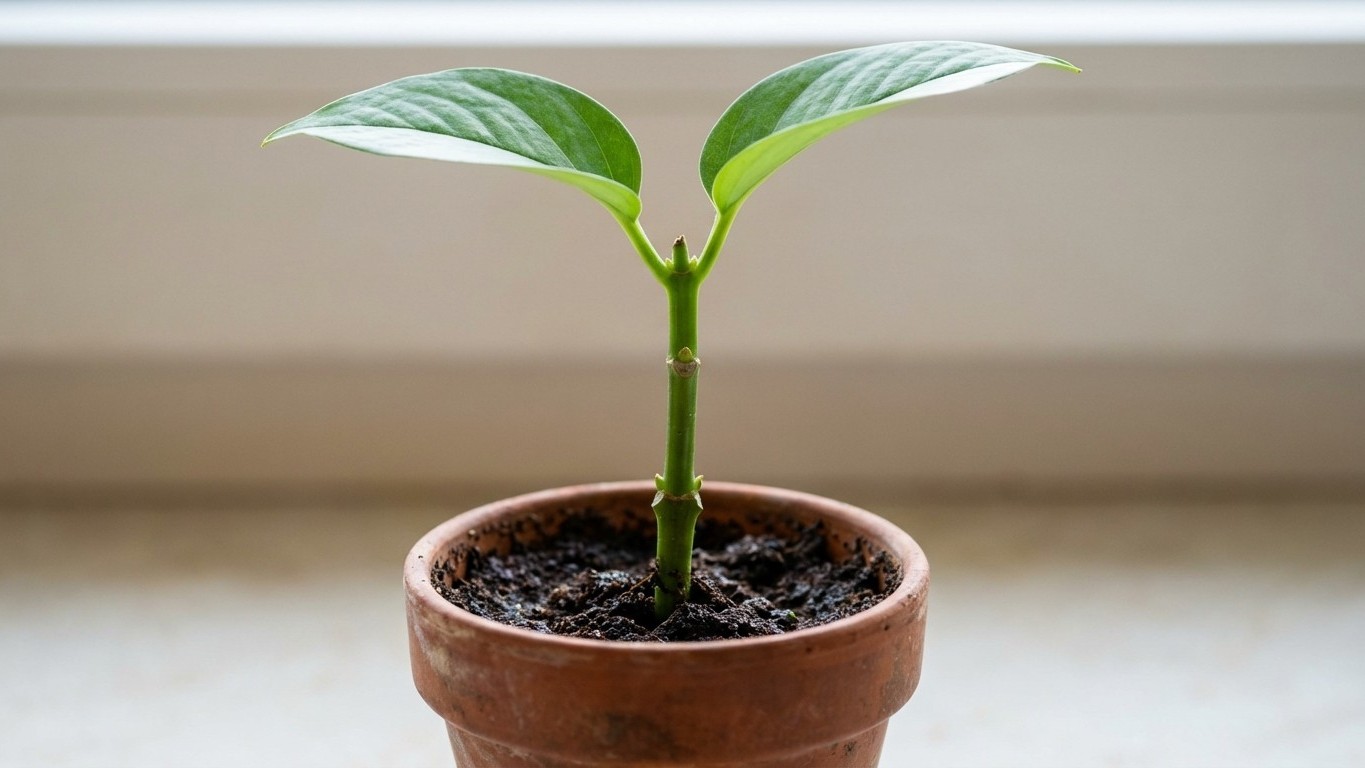
Every spring, I’d show up at the garden center with the best of intentions and leave with a receipt that stung a little. Blueberries, raspberries, currants, each one a small investment that, over time, added up to serious money. The shrubs grew, sure. Some even thrived. But when a neighbor leaned over the fence one afternoon and watched me loading another potted blueberry into my cart from the back of the car, she said, almost offhandedly, “You know you can just make more from what you already have, right?” That one sentence changed how I garden.
She was talking about stem cuttings, one of the oldest, least complicated propagation techniques in horticulture, and one that home gardeners almost universally overlook. The basic idea: you take a healthy branch from an existing berry bush, encourage it to grow roots, and plant it as a new shrub. Free. From a plant you already own. The whole process sounds almost too simple to work, which is probably why so many people skip it entirely and keep handing money to the nursery.
Key takeaways
- A simple conversation with a neighbor exposed years of unnecessary spending at garden centers
- One berry bush can produce dozens of viable new plants using a technique that costs almost nothing
- The science is ancient and proven, but most home gardeners have never heard of it
The Science Behind Why This Actually Works
Plants have a built-in survival mechanism called adventitious rooting, the ability to generate new root tissue from non-root cells when conditions are right. Stem cuttings exploit exactly this. When you remove a branch and place it in moist growing medium, the plant’s hormonal response kicks in: the cut end produces callus tissue, and from that callus, roots emerge. It’s not magic. It’s biology that’s been working for millions of years.
The timing matters more than most people realize. Softwood cuttings (taken in late spring when new growth is still flexible) root more easily but require more humidity. Hardwood cuttings (taken in late fall or early winter from dormant, woody stems) are slower but far more forgiving, which makes them the better choice for beginners. For most common backyard berry bushes like currants, gooseberries, and elderberries, hardwood cuttings are almost embarrassingly reliable. Blueberries are the exception: they root best from softwood in early summer and do benefit from a rooting hormone powder, which you can buy for a few dollars and use for years.
How to Actually Do It (Without Overcomplicating It)
The process is simpler than any recipe you’ll find on the internet suggests. Pick a healthy, disease-free stem, pencil-thick is the classic guidance, and cut it into sections about 6 to 8 inches long. Make a clean cut just below a node (those small bumps where leaves emerge) at the bottom, and a slightly angled cut at the top so water sheds off and you don’t accidentally plant it upside down. That angled cut is the oldest trick in the book, and it genuinely helps.
Strip any leaves from the lower two-thirds of the cutting. If you’re using rooting hormone, dip the cut end in the powder and tap off the excess, more is not better here. Then push the cutting into a pot of moist, well-draining mix (a 50/50 blend of perlite and potting soil works well, or even straight perlite for hardwood cuttings). Firm the soil around it so it stands upright on its own. Water it in. Place the pot somewhere sheltered and bright but out of direct intense sun.
And then? The hardest part: wait. Hardwood cuttings can take six to ten weeks to show signs of life. You’re not looking for leaves, you’re looking for resistance when you give the cutting a very gentle tug. If it holds firm, roots have formed. If it pulls right out, give it more time. New gardeners almost always dig them up too early out of curiosity, which is the one mistake that actually kills the process.
Which Berries Propagate Best This Way
Currants and gooseberries are the gold standard for beginners. Take a hardwood cutting in November or December, stick it in the ground outdoors in a sheltered spot (not just in a pot), and by the following spring you’ll likely have a rooted plant with very little effort. These shrubs are so willing to root that experienced gardeners joke the cuttings “practically root themselves.” Elderberries are similarly obliging and grow with startling speed once established.
Raspberries and blackberries work differently, they spread naturally through suckers (new shoots that come up from the roots), so propagation often means simply digging up one of those volunteers in early spring and transplanting it. No cutting required. Blueberries demand more patience and precision: they prefer acidic conditions, benefit from rooting hormone, and take longer to establish. But a blueberry bush can live and produce for 50 years. Spending fifteen minutes with a cutting to get one for free, instead of $25 at the nursery, is the kind of math that feels good long-term.
Strawberries, technically not a bush but often lumped into the berry garden, are the easiest of all. They send out runners, those long horizontal stems that naturally produce baby plants at their tips. Pin one to the soil with a small wire loop, wait a few weeks, cut the runner, and you have a new plant. Some strawberry patches essentially propagate themselves if you let them.
What Nobody Tells You About Scale
Here’s the part my neighbor mentioned almost as an afterthought, and it reframed everything: one established currant bush can produce 20 to 30 viable cuttings in a single pruning session. Twenty to thirty new shrubs, from one afternoon of work and essentially zero cost. Scale that across three or four different berry varieties in your yard, and within two seasons you could have enough plants to fill an entire edible hedge, share with neighbors, or swap at a local plant exchange. The nursery model asks you to buy one plant at a time. The cutting method flips that logic entirely.
There’s also something quietly satisfying about growing plants from your own stock, a kind of continuity that store-bought shrubs don’t offer. That currant bush rooted from your grandmother’s garden carries something a plastic-potted nursery specimen never can. Which raises a question worth sitting with: how many plants in your yard are quietly ready to become more, if you just knew how to ask?