
Spring is officially snake season. As temperatures climb above 60°F, these cold-blooded reptiles emerge from dormancy, hungry, active, and on the hunt. And the garden center you just visited last weekend? It may have just unknowingly helped them find a new home.
Snakes come into yards for a variety of reasons: food, shade, or shelter, and certain plants offer these to them on a silver platter. The issue isn’t that snakes are evil or aggressive by nature. The things that actually attract snakes into your yard are usually related to their prey, including birds, reptiles, insects, and amphibians. Buy a plant that lures those creatures, and a snake will follow. It’s an ecological chain reaction, and it starts at checkout.
Key takeaways
- Garden centers’ most popular spring plants are secretly snake magnets—but not for the reason you’d think
- The real attraction isn’t the plants themselves, it’s the insects and rodents they bring that snakes hunt
- You don’t have to rip out your garden—strategic swaps and maintenance can dramatically reduce snake activity
The Most Popular Spring Plants That Roll Out the Welcome Mat
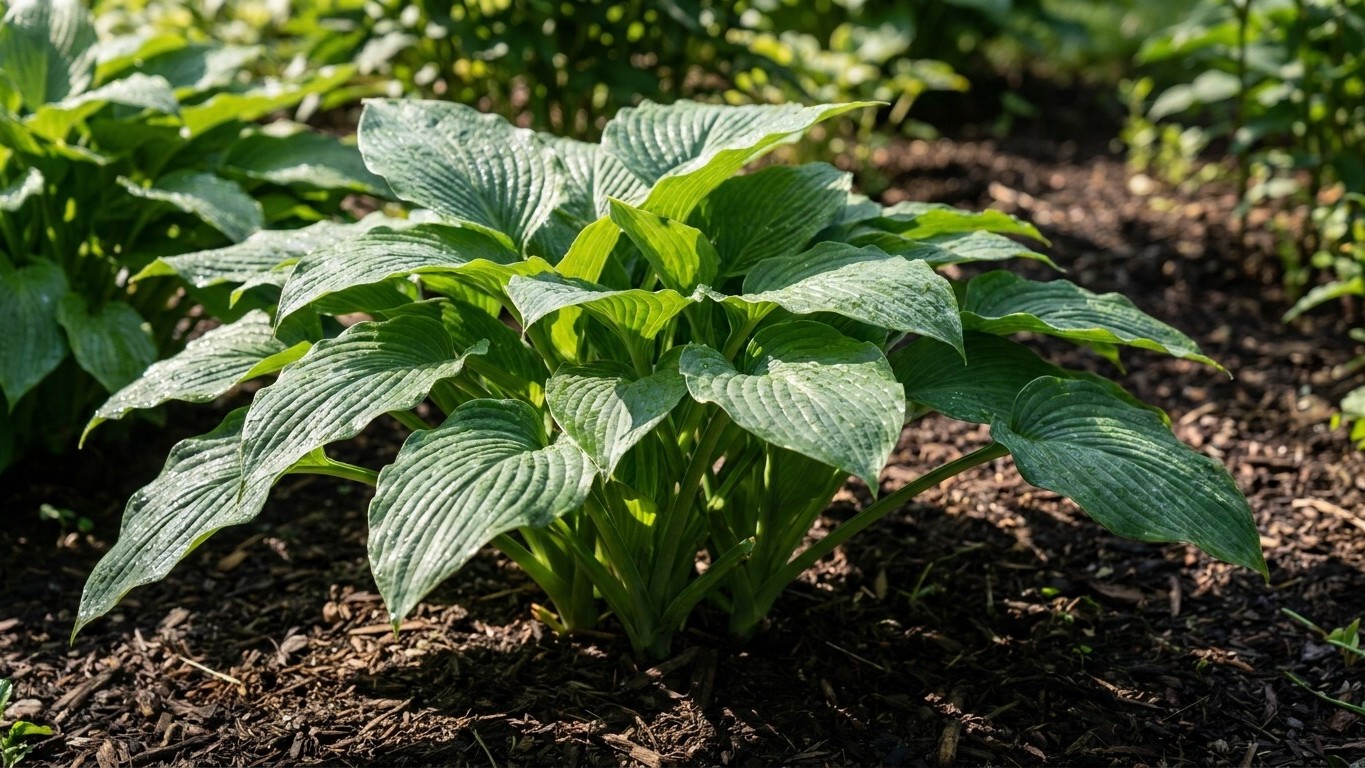
Hostas are everywhere this time of year, rich, lush, and almost impossible to resist at the garden center. These low-maintenance perennials are also the popular garden plants snakes love to hide in. Their broad leaves keep snakes hidden while they hang around waiting for slugs, small rodents, or another perfect meal to happen by. Especially if planted in rows and allowed to bush out, they can provide a useful and potentially extensive area for snakes to hunt, not least because hostas can attract rodents like voles and mice.
Creeping phlox is another spring bestseller, and it’s a particular problem. Snakes are unlikely to take up permanent residence, but they will be thankful for the convenient hiding spot that ground cover plants like creeping phlox provide. This cover can be incredibly beneficial for hunting, resting, and traversing your garden unseen. It’s also likely to be conveniently close to potential sources of food, including rodents. Voles, for example, like to eat creeping phlox, and if a local population gets wind of such easy pickings, the getting will also be good for any nearby snakes.
English ivy is one of the most dramatic offenders, and it flies off shelves every April. According to the Economic Times, ivy is a climbing plant with dense foliage, making it perfect protection for snakes specifically during the time of year when they are most active, spring. This vine has a dense foliage that provides a perfect hiding place for snakes and makes it harder for gardeners to see the snakes. English ivy favors shady spots in a garden and can block out light, creating a dark space for snakes to keep cool.
Milkweed, the darling of the pollinator movement, has a less publicized downside. The Monarch butterfly loves common milkweed and so do many snakes, who hunt the insects that feed on them. Also, since milkweed is a dense, aggressive grower that can overtake the garden in zones 3 through 9, it offers plenty of cover for snakes looking to hide from predators.
Why the Food Chain Is the Real Culprit
The thing snakes hate the most are strong scents. They are highly sensitive to smell and rely on it for hunting, so anything too strong will disorient them and repulse them. But the inverse is equally true: plants that generate insect activity, attract rodents, or create cool damp refuges are essentially sending out an open invitation. Snakes don’t read the label on the pot. They read the environment.
Take clover, one of the trendiest lawn alternatives right now. Clover is a popular alternative to turf grass lawns, but it also fits the bill as a snake attractant. It’s a fast-growing ground cover that forms dense mats, making it challenging to maintain. The overgrown foliage is a welcome retreat for snakes and the insects and animals they eat. What’s more, clover thrives in cool, moist soil, something snakes also gravitate toward.
Then there’s jasmine, that intoxicating cottage-garden staple. The scent of jasmine flowers is liked by snakes, and its warm grassy stems and leaves make a suitable place for them to sleep, hence, this plant attracts snakes. Jasmine, like honeysuckle, has a strong perfume and dense growth that creates the conditions snakes seek: warm, sheltered, and insect-rich. The perfume humans love may be one of the few things that attracts snakes through scent directly, rather than through food proximity.
Ornamental grasses deserve a mention, too, particularly the blue fescue that dominates spring displays. The density and height of ornamental grass blue fescue can make it welcoming to snakes. This clumping plant typically grows 1 to 2 feet tall. Snakes may take shelter under the tall blades, especially when fescue is used as a ground cover, where several plants are grouped together.
What Snakes Are Actually After
Understanding what snakes eat reframes the whole picture. Snakes are likely to inhabit areas where food is readily available, primarily feeding on grasshoppers, spiders, moths, mice, and other small rodents. Garter snakes, for example, feed on insects such as grasshoppers and beetles, which can damage gardens and crops. By controlling the population of these insects, snakes help protect plants and maintain the health of gardens and agricultural lands. That’s the uncomfortable nuance: snakes showing up in your garden are often a sign of a healthy, thriving ecosystem, not a pest problem.
Non-poisonous snakes are more common in yards, and they typically have a round head and round pupils. You’ll know the venomous ones by their diamond-shaped heads and cat-like slits for pupils. Still, most homeowners would rather not discover either variety curled under their hosta bed during morning coffee.
Water features compound the issue significantly. Water features and water plants, like American lotus, attract insects or frogs, which are also on the menu for many snakes and might draw them in as well. A garden pond + surrounding hostas + dense ground cover equals a snake habitat that would make any herpetologist nod in approval.
How to Push Back : Without Ripping Out Your Garden
The good news: you don’t have to choose between a beautiful garden and a snake-free yard. The strategy is about disruption, not elimination. If you choose to plant any type of ground cover, frequent upkeep, like pruning, mowing, and dividing, can stop them from becoming a haven for scaly pests and their prey. Make sure you remove piles of old timber, branches, leaves, and other yard debris from around areas of dense ground cover. Snakes are known to hide in these spots.
Strategic plant swaps make a real difference. If you like tall, ornamental grass but don’t like snakes, think about planting lemongrass instead. Lemongrass naturally contains citronella, which snakes don’t generally like very much. Lavender’s fragrant scent is lovely to us but offensive to snakes, plant it along paths and near entry points to your home. Instead of milkweed, think about planting marigolds. They’re beloved by beneficial insects like ladybugs, but their smell might deter snakes. Their roots give off a bitter scent that especially younger snakes tend to avoid.
Structural changes matter as much as plant selection. If you have a snake problem, first consider keeping vines and creepers trimmed. Keeping at least 24 to 36 inches of space underneath trees will help make it more difficult for snakes to stay hidden from predators and prey. Sharp gravel and crushed rock are both good choices, providing an uncomfortable surface for snakes to slither across while discouraging rodents from burrowing.
One counterintuitive fact worth sitting with: a timber rattlesnake will consume 2,000 to 4,000 ticks a season. For families worried about Lyme disease, that’s a statistic that reframes the entire conversation, the most unwelcome guest in the garden might be doing more for your health than your entire pest control budget combined.
Sources : craftyourhappyplace.com | trackography.org