
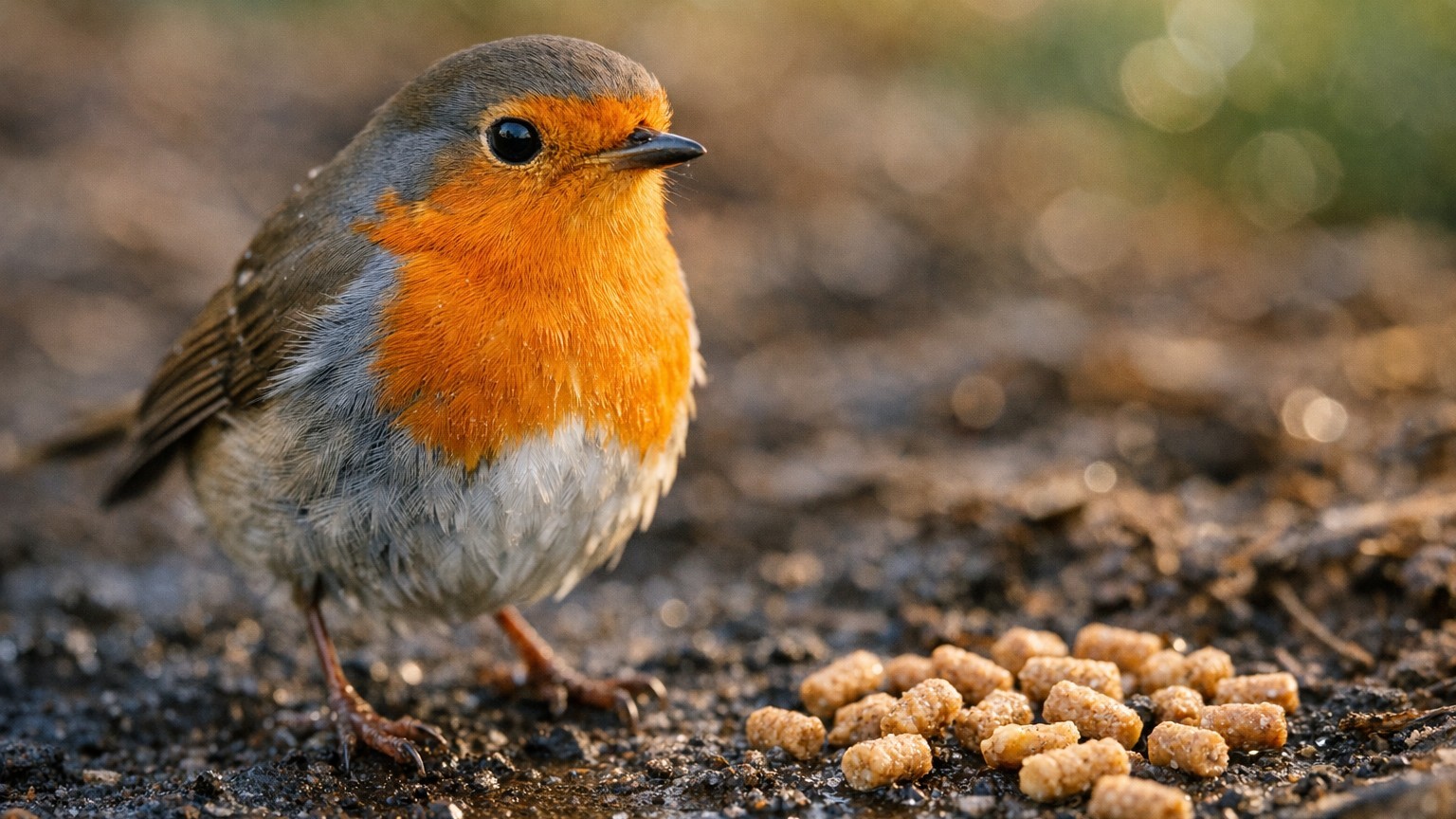
Slug pellets are one of the most popular garden tools in America. Walk through any hardware store in spring, and you’ll find them stacked right next to the seed packets and trowels, a quiet, unassuming promise of slug-free hostas and intact lettuce. For years, that’s exactly how I treated them: routine maintenance, like weeding or watering. Rain falls, slugs come out, pellets go down. Simple.
The problem showed up in my neighbor’s hands one Tuesday morning. She had spent the previous two days photographing what was moving through her garden beds after she’d scattered pellets along her border. The images were striking, and not in a good way. A robin, pecking at something near the treated soil. A hedgehog curled at the base of a raised bed. A thrush carrying what looked like a slug back to her nestlings. Every single one of them had been feeding in areas where metaldehyde or iron phosphate pellets had been applied.
Key takeaways
- A neighbor’s photographs reveal which animals are being poisoned by slug pellets weeks after application
- Even ‘safe’ organic pellets carry hidden toxins that accumulate through the food chain
- The garden’s natural pest controllers—beetles, hedgehogs, thrushes—are being silently eliminated
What Actually Happens After the Pellets Go Down
Slugs that ingest metaldehyde-based pellets don’t die instantly. They crawl, disoriented, across the garden surface for hours, sometimes crossing into neighboring beds, onto lawns, into the open. That extended dying process is where the secondary poisoning begins. A thrush doesn’t know the slug it just ate is loaded with pesticide. A hedgehog foraging at night can consume dozens of poisoned slugs in a single outing, each one delivering a fractional dose that accumulates fast.
The European Food Safety Authority flagged metaldehyde as a significant risk to birds and mammals years before the UK formally banned it in 2022. The United States, meanwhile, still permits metaldehyde in most states, though California has moved toward tighter restrictions. The EPA’s own registration documents acknowledge the compound’s toxicity to birds and mammals, classifying it as moderately to highly toxic depending on exposure route. That information sits in technical databases, rarely reaching the person standing in a garden center on a Saturday morning.
Iron phosphate pellets, sold as the safer alternative and certified for organic use, were long considered benign. The reality is more complicated. Many commercial iron phosphate products include EDTA (ethylenediaminetetraacetic acid) as a chelating agent to improve effectiveness. Research published in peer-reviewed toxicology journals has shown that EDTA enhances iron absorption in earthworms to lethal levels. Earthworms are the foundation of healthy soil. Lose them, and the garden suffers far beyond the slug problem you were trying to solve.
The Wildlife That Actually Does the Job
Ground beetles are nocturnal hunters that actively pursue slugs and their eggs through the soil. A single ground beetle can consume hundreds of slug eggs in a season. They live in the exact same habitat you’re treating when you scatter pellets across beds: under mulch, near the soil surface, in leaf litter. Chemical treatments don’t distinguish between pest and predator.
Hedgehogs, thrushes, song thrushes, frogs, and slow worms all eat slugs as a significant part of their diet. The garden that supports these animals is, in ecological terms, doing its own pest control. The problem is that pesticide use tends to break this system before gardeners notice it was working. Fewer beetles mean more slug eggs survive winter. Fewer thrushes mean more surface slugs. The garden becomes chemically dependent in a way that feels like the slugs are getting worse every year, when the actual story is that their natural checks have been quietly removed.
Copper tape does work, though not infinitely. Slugs avoid crossing copper because of a reaction with their mucus, but tape gaps and wear reduce effectiveness over time. Wool pellets, sharp grit, and crushed eggshells create physical deterrents without chemical risk. None of them are as immediately satisfying as a box of pellets, but they don’t cost you your thrush population either.
What Gardeners Are Doing Instead
Raised beds with copper banding on the exterior have become a serious alternative for vegetable growers who need reliable protection for seedlings. The approach works because you’re creating a contained zone rather than treating open soil where wildlife roams. It’s more labor to set up and more expensive upfront, but gardeners who’ve switched tend not to go back.
Beer traps, small containers sunk to soil level and filled with cheap beer — attract and drown slugs without any chemical residue. They require emptying every few days, especially after rain, which is precisely when slug activity peaks. Labor-intensive? Yes. But they also give you useful information: high trap counts indicate a genuine infestation, while low counts suggest the problem might be less severe than it looks.
Nematodes have become the most effective biological control available to home gardeners. Phasmarhabditis hermaphrodita, a naturally occurring soil nematode, infects slugs with bacteria that kill them underground, before they ever reach the surface to damage plants. Applied with a watering can after purchasing from garden suppliers, the treatment is invisible, has no effect on birds, mammals, or earthworms, and remains active in moist soil for several weeks. The catch is temperature: nematodes need soil above 40°F to be effective, which means timing matters.
What shifted the conversation in my neighbor’s garden wasn’t a dramatic die-off. It was the accumulation of absences. Over three seasons of regular pellet use, she stopped hearing song thrushes in the morning. The hedgehog that had been using her compost area disappeared. She hadn’t connected it to the pellets until she started reading about secondary poisoning and realized her garden had become, quietly and incrementally, a less hospitable place for exactly the animals keeping it in balance. The pellets hadn’t just killed slugs. They had removed the garden’s ability to manage itself.