The Silent Killer in Your Strawberry Bed: How Garden Netting Traps Wildlife

The Silent Killer in Your Strawberry Bed: How Garden Netting Traps Wildlife

A simple sheet of strawberry netting laid flat in May becomes a death trap for juvenile toads and frogs whose delicate legs tangle in the mesh. This hidden danger affects countless gardens each spring, but raised hoops and larger mesh sizes offer practical solutions that protect both your fruit and your garden’s natural pest control.

The Secret That Old Gardeners Knew: Why Roses Never Need Spraying When Grown This Way

The Secret That Old Gardeners Knew: Why Roses Never Need Spraying When Grown This Way

Old-time gardeners understood something modern rose lovers have forgotten: a simple row of chives or garlic can replace the spray bottle entirely. Science now confirms what the potager tradition knew instinctively—companion planting with alliums reduces aphids by 80% and prevents black spot fungus through pure chemistry.

Stop Killing Your Compost: Why Rhubarb Leaves Are Silently Sabotaging Your Pile

Stop Killing Your Compost: Why Rhubarb Leaves Are Silently Sabotaging Your Pile

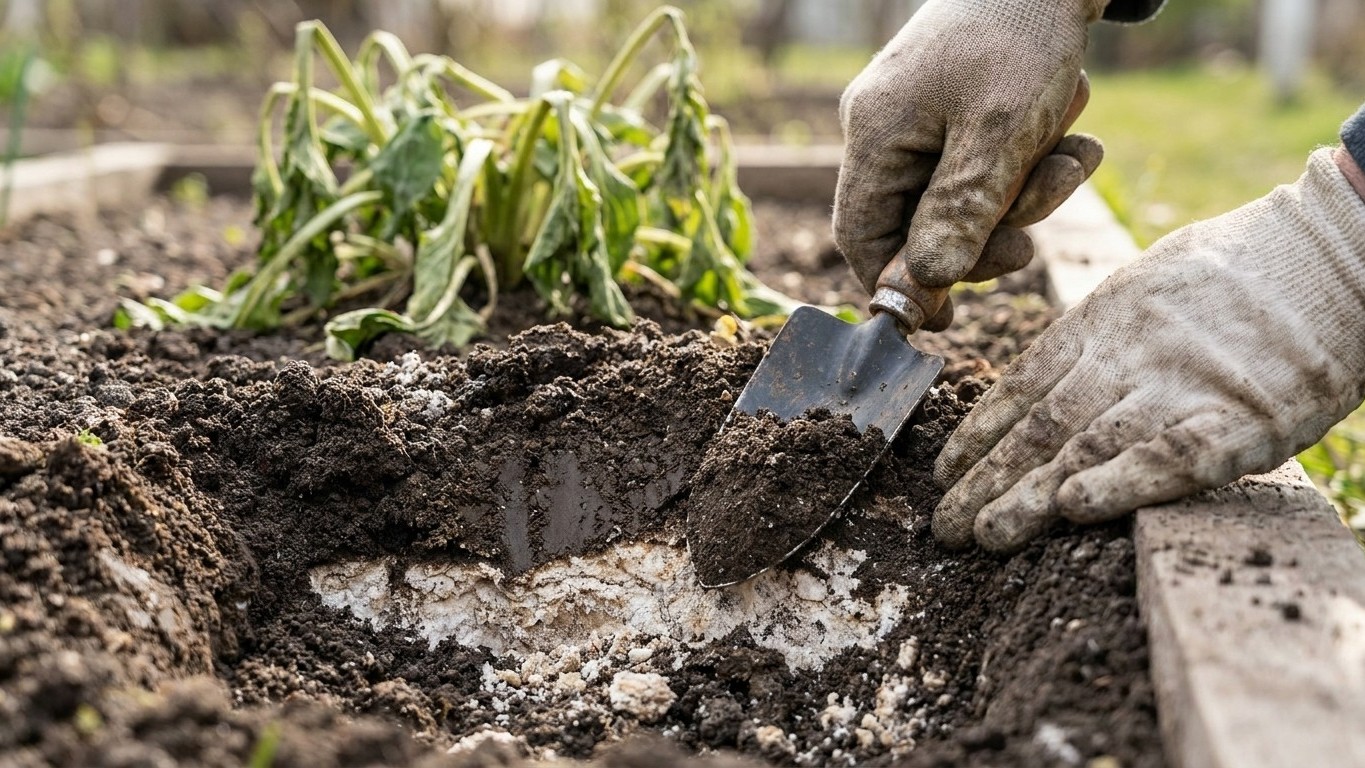
Gardeners unknowingly destroy their compost by tossing rhubarb leaves into their bins. The oxalic acid in these leaves suppresses the microbes that make composting work, creating sluggish piles and half-finished material. Learn the chemistry behind the problem and smarter alternatives.

I’ve Been Killing My Garden With Coffee Grounds—And So Have You

I've Been Killing My Garden With Coffee Grounds—And So Have You

For years, gardeners have scattered coffee grounds as free fertilizer, but soil science reveals a more troubling reality. What looks like a helpful amendment may actually be compacting soil, locking up nutrients, and releasing allelopathic compounds that stunt root growth.

The Forgotten Garden Secret: Why Old Farmers Planted Sunflowers Next to Beans

The Forgotten Garden Secret: Why Old Farmers Planted Sunflowers Next to Beans

Before shade cloth existed, gardeners planted sunflowers strategically beside bean rows to solve a botanical problem modern gardeners ignore. This wasn’t folklore—it was applied plant science that worked with precision, delivering shade, nitrogen cycling, and pollinator attraction simultaneously.

Stop Digging: How Cardboard Creates Perfect Garden Soil Without a Shovel

Stop Digging: How Cardboard Creates Perfect Garden Soil Without a Shovel

A gardener ditches the spade and discovers sheet mulching: layering cardboard and organic materials to create nutrient-rich soil that’s better than anything dug by hand. No herbicides, no rototiller, no back pain—just patience and kitchen scraps.

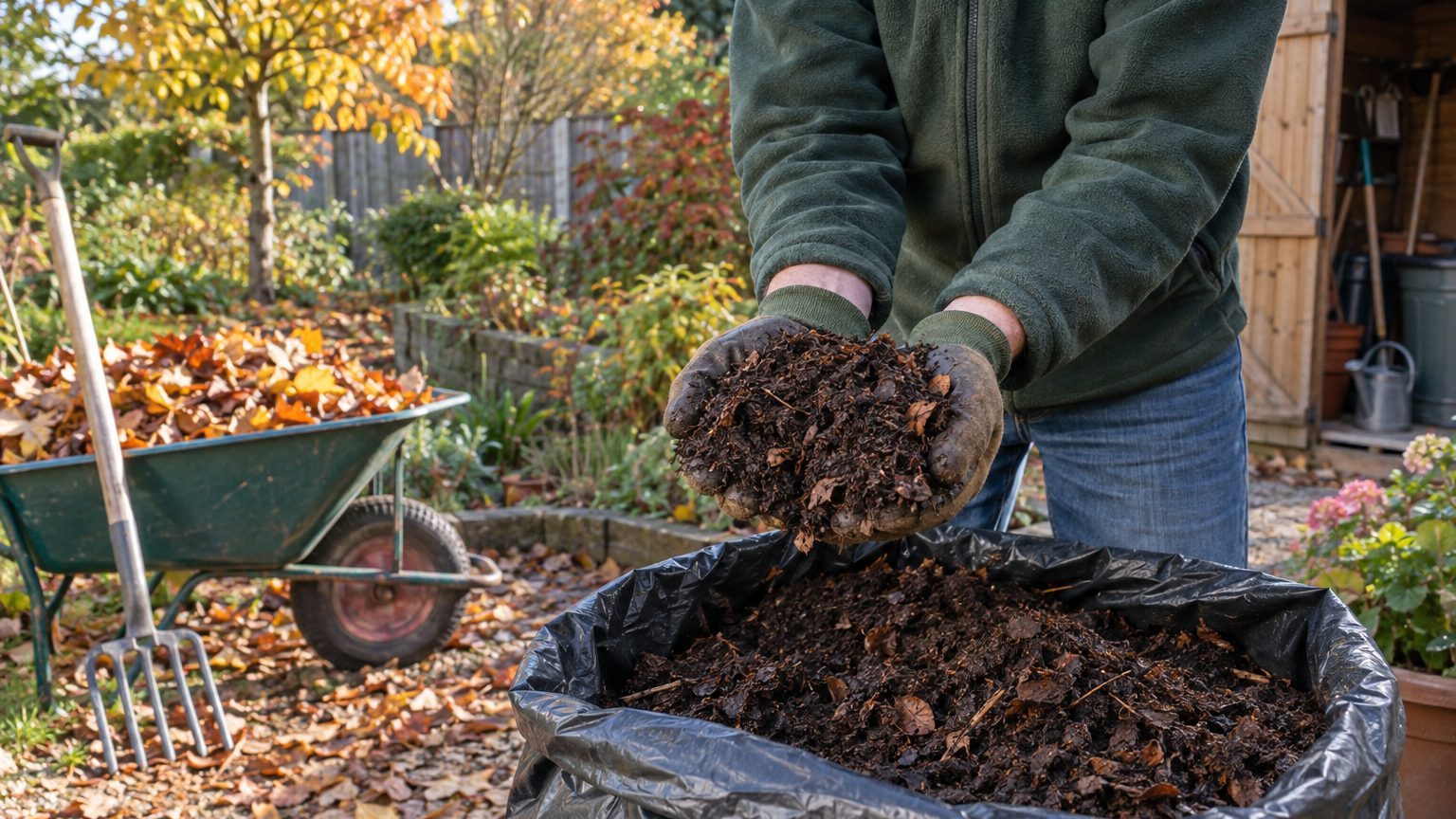
Free and Falling: How Leaves Transformed My Clay Soil Nightmare Into a Thriving Garden

Free and Falling: How Leaves Transformed My Clay Soil Nightmare Into a Thriving Garden

Clay soil seems impossible to work with, but the solution was literally falling into the yard every autumn. One gardener shares how free leaves transformed their struggling vegetable garden into productive soil—no expensive amendments required.

I Stopped Mowing One Corner of My Lawn—What Happened Next Transformed My Entire Neighborhood

I Stopped Mowing One Corner of My Lawn—What Happened Next Transformed My Entire Neighborhood

When one homeowner stopped mowing a small corner of their lawn, they discovered a thriving pollinator habitat—and inspired an entire neighborhood to rethink what a yard should be. What began as an act of defeat transformed into an environmental movement on a single suburban street.

The Spring Secret Gardeners Are Hiding Under Their Hedges—And Why It’s Changing Everything

The Spring Secret Gardeners Are Hiding Under Their Hedges—And Why It's Changing Everything

A growing number of gardeners are intentionally leaving piles of dead leaves, branches, and debris under their hedges each spring—and it’s not laziness. This simple practice, called a “dead hedge” or “habitat stack,” creates a thriving ecosystem that naturally controls pests, shelters wildlife, and enriches soil.

Plant Asparagus Once, Harvest for 30 Years: The Garden’s Best-Kept Secret

Plant Asparagus Once, Harvest for 30 Years: The Garden's Best-Kept Secret

Asparagus is the ultimate set-it-and-forget-it crop: one afternoon of planting work yields fresh spears for 15 to 30 years straight. After an initial patience phase of 2-3 years, established beds produce abundantly every spring with minimal maintenance. The financial and flavor payoff makes it gardening’s best long-term investment.