
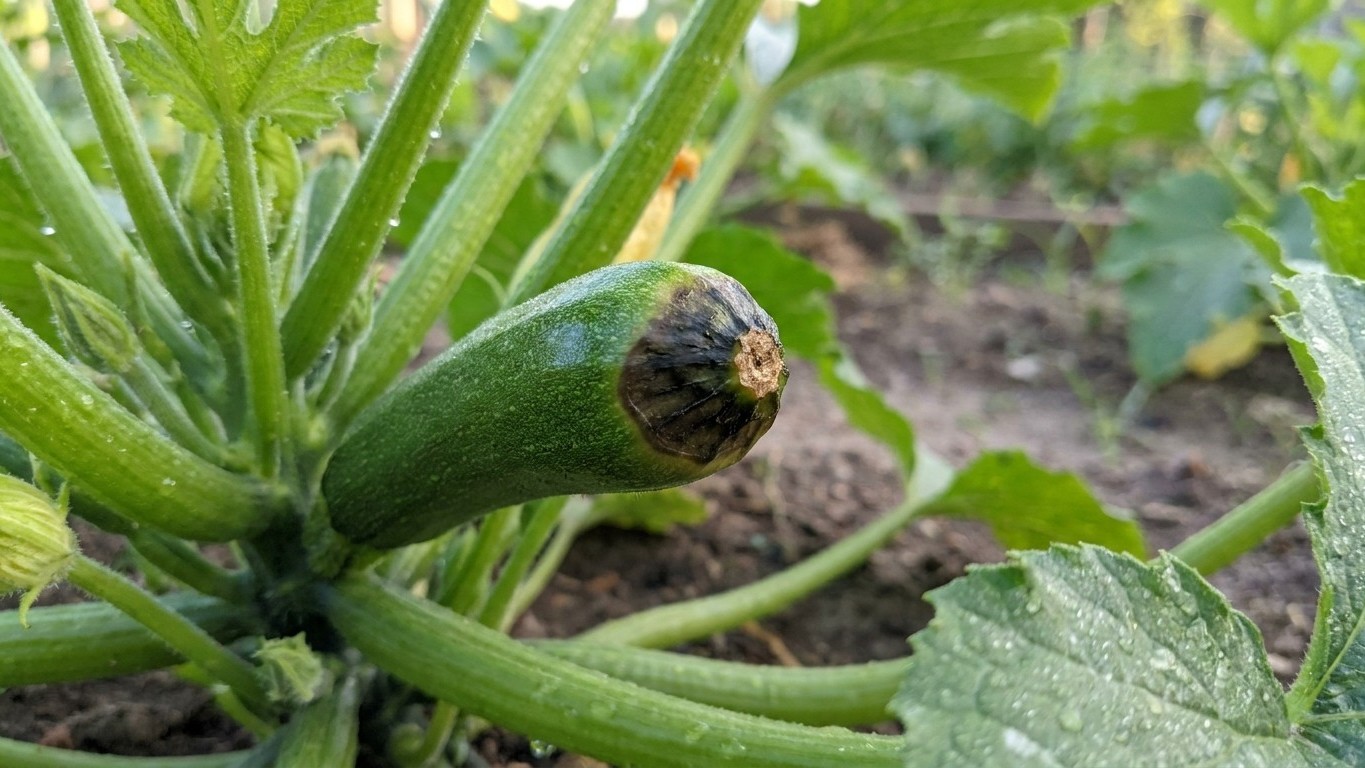
Every summer, the same scene: tiny zucchini appearing on the plant, full of promise, then yellowing and falling off before they reach the size of a finger. Rotting at the blossom end. The plant looks healthy, the leaves are lush, the flowers keep coming, and yet nothing survives past thumb-size. For three seasons, I blamed the weather. A neighbor blamed my soil. Someone online blamed overwatering. They were all wrong.
The answer came from a retired market gardener who took one look at my plant and said, quietly, “You don’t have enough males.” That sentence changed everything I thought I knew about growing zucchini.
Key takeaways
- Your zucchini plant is producing flowers, but something is stopping the fruit from surviving past thumb-size
- A neighbor, the internet, and three seasons of failed harvests all pointed to different causes—but they were all looking in the wrong place
- One sentence from an experienced gardener changed everything about how to grow zucchini successfully
The Pollination Problem Nobody Talks About
Zucchini produce two distinct types of flowers: male and female. The female flower is the one attached to a tiny proto-zucchini at its base, that little green nub you can see swelling with potential. The male flower grows on a plain stem with no fruit at its base. For the female to develop into an actual zucchini, pollen from a male flower must be transferred to it, usually by bees or other pollinators. Without that transfer, the plant simply aborts the fruit. It has no reason to invest energy in developing something that wasn’t fertilized.
Here’s where the timing gets tricky. Zucchini plants typically produce male flowers first, sometimes a full week or two before the females appear. By the time female flowers open, the initial flush of males may have already faded. Then there are days when only female flowers are open and no males are present, or vice versa. If your garden is also short on pollinators (think concrete-heavy urban spaces, or a spell of rainy weather keeping bees indoors), the window for successful pollination shrinks dramatically. The fruit sets, then stalls, then rots. Every time.
What the Rotting Tip Is Actually Telling You
That soft, dark, collapsing tip at the blossom end of the tiny zucchini? It’s called blossom end rot, and gardeners encounter it on tomatoes, peppers, and squash alike, though for slightly different reasons depending on the plant. On zucchini, the most common culprit is failed pollination. The fruit begins to develop based on the flower’s hormonal signals, but without fertilization, the plant cuts off resources to it within days. The tip is the first place that shows the stress.
A secondary cause, less common but worth knowing: calcium deficiency, often triggered by inconsistent watering rather than a lack of calcium in the soil. When the plant goes through cycles of drought and oversaturation, its ability to uptake and distribute calcium gets disrupted. The result looks almost identical, rot starting at the tip. A soil test (available at most cooperative extension offices for under $20) can rule this out quickly. But if your plant is otherwise vigorous and the rot appears immediately on very young fruits, failed pollination is the far more likely explanation.
The Fix: Hand Pollination Takes About 30 Seconds
The gardener who diagnosed my problem handed me a small paintbrush and demonstrated. He plucked a fully open male flower, peeled back the petals to expose the pollen-covered stamen, and dabbed it directly onto the stigma inside an open female flower. Done. The whole operation takes less time than making a cup of coffee.
The timing matters more than the technique. Both flowers need to be fully open, which happens in the morning, usually between 7 and 10 a.m. By afternoon, they close and the opportunity is gone. Male flowers are ready when the stamen looks yellow and dusty with pollen. Female flowers are ready when the stigma inside appears slightly sticky. A cotton swab works just as well as a paintbrush if that’s what you have on hand.
Some gardeners skip the tool entirely and simply pick the male flower, fold back the petals like a wrapper, and use it as a direct applicator. A bit rough on the flower, but effective. One male flower can pollinate two or three females in a single morning.
After the gardener and I hand-pollinated four female flowers that morning, three of them developed into full zucchini within a week. The fourth dropped, likely because the female flower had already been open a day too long. The difference was night and day compared to anything I’d managed in three previous seasons of hoping bees would sort it out.
Encouraging More Pollinators (and More Male Flowers)
Hand pollination solves the immediate problem. But if you want the plant to manage more on its own, two adjustments make a real difference. Planting borage, marigolds, or sweet alyssum near your zucchini draws bees reliably, borage in particular has a reputation among vegetable gardeners as one of the most effective pollinator attractants, and it self-seeds aggressively once established, so you only buy it once.
On the male-to-female flower ratio: this is largely determined by temperature and the plant’s age. Young plants tend to produce mostly male flowers. As the season progresses and temperatures stabilize, female flowers increase. Some gardeners report that plants grown in slightly cooler conditions produce a more balanced ratio earlier. If you’re seeing a flood of males early in the season, patience is genuinely useful, the females will come. The problem is when females arrive and no males are left.
One detail worth holding onto: a single zucchini plant produces pollen that can pollinate another plant of the same species. If you grow two or three plants instead of one, the overlap in male and female flower production across plants significantly improves your odds, and reduces your reliance on both bees and a paintbrush at 8 in the morning.