Why Your Seedlings Died After the Last Frost Date — and How to Stop It Happening Again

Why Your Seedlings Died After the Last Frost Date — and How to Stop It Happening Again

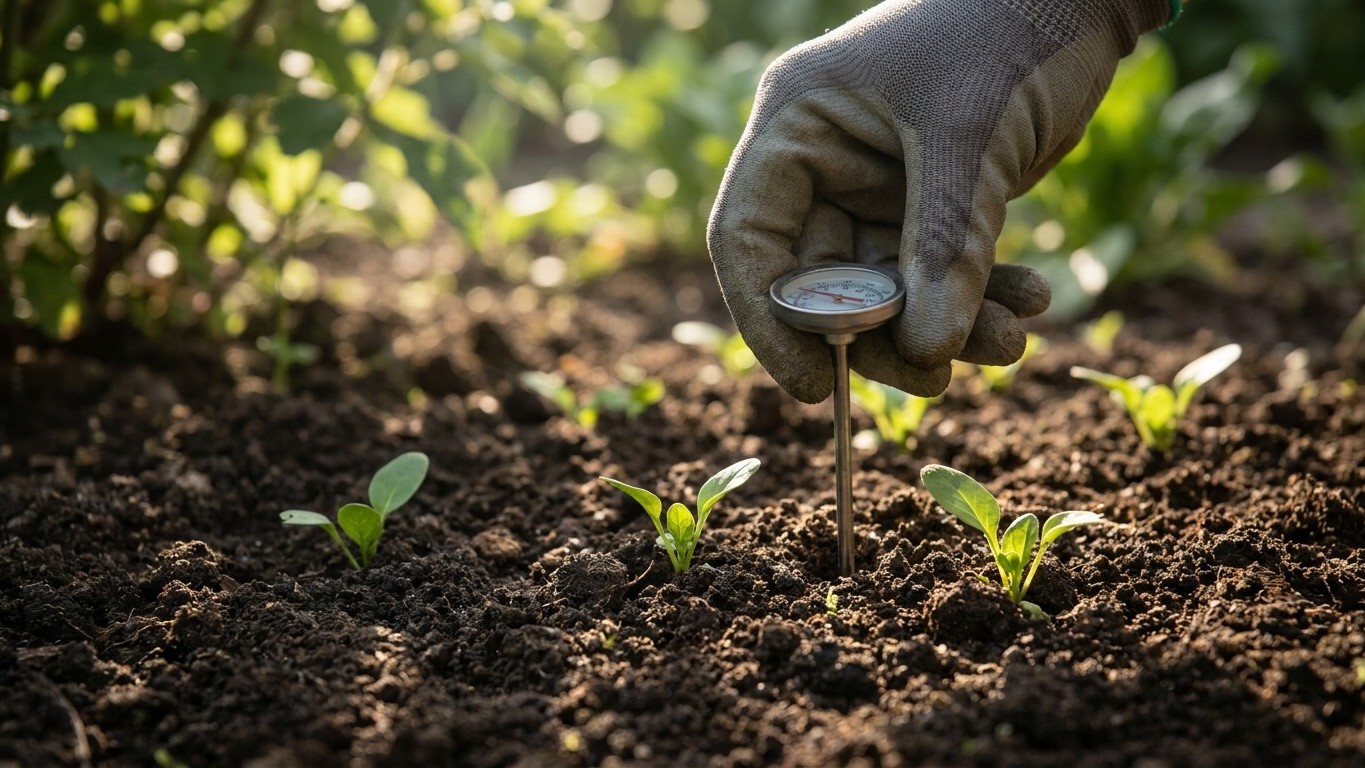
You waited two weeks past the last frost date. You followed every rule. By morning, every seedling was blackened and destroyed. The bitter truth: the last frost date is a statistical average, not a promise—and it catches thousands of gardeners every spring.

Plant Tomatoes on Their Side: The Secret Gardening Trick That Transforms Your Harvest

Plant Tomatoes on Their Side: The Secret Gardening Trick That Transforms Your Harvest

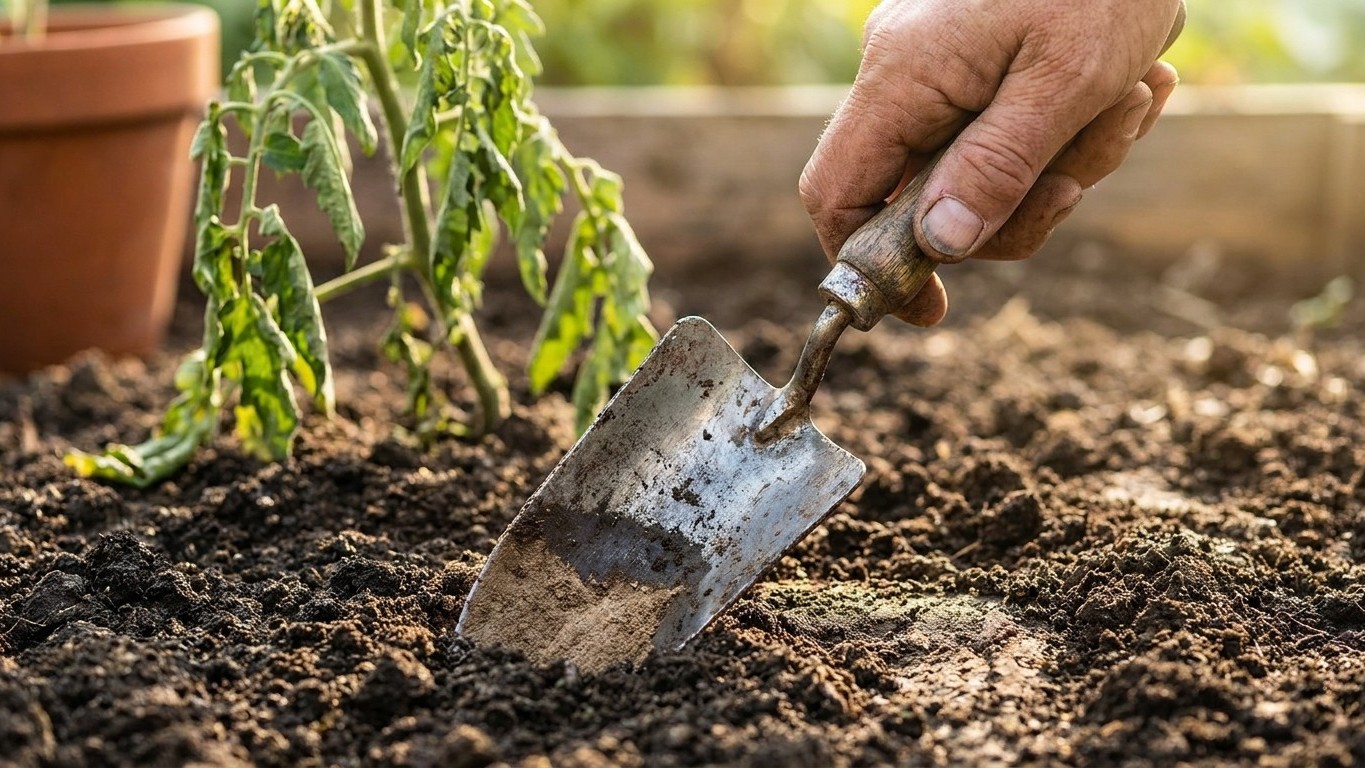
An old market gardener’s simple tip reveals a game-changing technique: burying tomato plants sideways creates a dramatically more robust root system. This ancient method, grounded in tomato biology, can transform spindly seedlings into vigorous, drought-resistant plants that outperform traditional vertical planting.

Why Pinching Tomato Suckers Bare-Handed Caused My Entire Row to Collapse by July

Why Pinching Tomato Suckers Bare-Handed Caused My Entire Row to Collapse by July

Bare-hand pinching of tomato suckers creates ragged wounds that invite bacterial pathogens directly into your plants’ vascular systems. A seasoned grower revealed the single mistake that decimated an entire row by mid-summer and the surprisingly simple fix that prevents it.

Why I Cut Every Strawberry Runner Now: The Harvest That Changed Everything

Why I Cut Every Strawberry Runner Now: The Harvest That Changed Everything

For three seasons, this gardener watched their strawberry harvest fall short by half—until they learned the surprising truth about runners. Removing these shoots at the right time isn’t just about tidiness; it’s about redirecting your plant’s entire energy budget toward fruit instead of reproduction.

The April Tomato Mistake That Ruins Your Entire Season: Cold Soil, Skipped Hardening Off, and How to Fix It

The April Tomato Mistake That Ruins Your Entire Season: Cold Soil, Skipped Hardening Off, and How to Fix It

Planting tomatoes in April feels like perfect timing, but rushing seedlings into cold soil without preparation is the silent killer of your garden. Learn the three critical mistakes that devastate tomato crops and the exact steps to plant for maximum root power and fruit production.

The Secret Three-Week Head Start: How Expert Gardeners Outsmart Weeds Before Planting

The Secret Three-Week Head Start: How Expert Gardeners Outsmart Weeds Before Planting

Expert gardeners aren’t fighting weeds in June—they’re eliminating them before planting a single seed. By deliberately triggering weed germination three weeks early, then destroying the young seedlings, they deplete the soil’s weed seed bank. The result: nearly weed-free beds while neighbors battle the hoe.

Why Commercial Farmers Wait: The One Critical Detail That Separates Tomato Success From Failure

Why Commercial Farmers Wait: The One Critical Detail That Separates Tomato Success From Failure

Commercial farmers don’t rush to plant tomato seeds in March like home gardeners do—they check one crucial detail first that determines their entire growing calendar. The last frost date isn’t glamorous, but it’s the key to thriving plants and maximum yields instead of leggy, stressed seedlings.

Plant Asparagus Once, Harvest for 30 Years: The Garden’s Best-Kept Secret

Plant Asparagus Once, Harvest for 30 Years: The Garden's Best-Kept Secret

Asparagus is the ultimate set-it-and-forget-it crop: one afternoon of planting work yields fresh spears for 15 to 30 years straight. After an initial patience phase of 2-3 years, established beds produce abundantly every spring with minimal maintenance. The financial and flavor payoff makes it gardening’s best long-term investment.

Double Your Garden Harvest With Kitchen Scraps: The Free Fertilizer Secret That Works

Double Your Garden Harvest With Kitchen Scraps: The Free Fertilizer Secret That Works

Your kitchen trash contains the nutrients that could transform your garden into a high-yield growing machine. Coffee grounds, banana peels, and eggshells aren’t gardening myths—they’re biological fertilizers that work faster and better than store-bought alternatives when used correctly.