
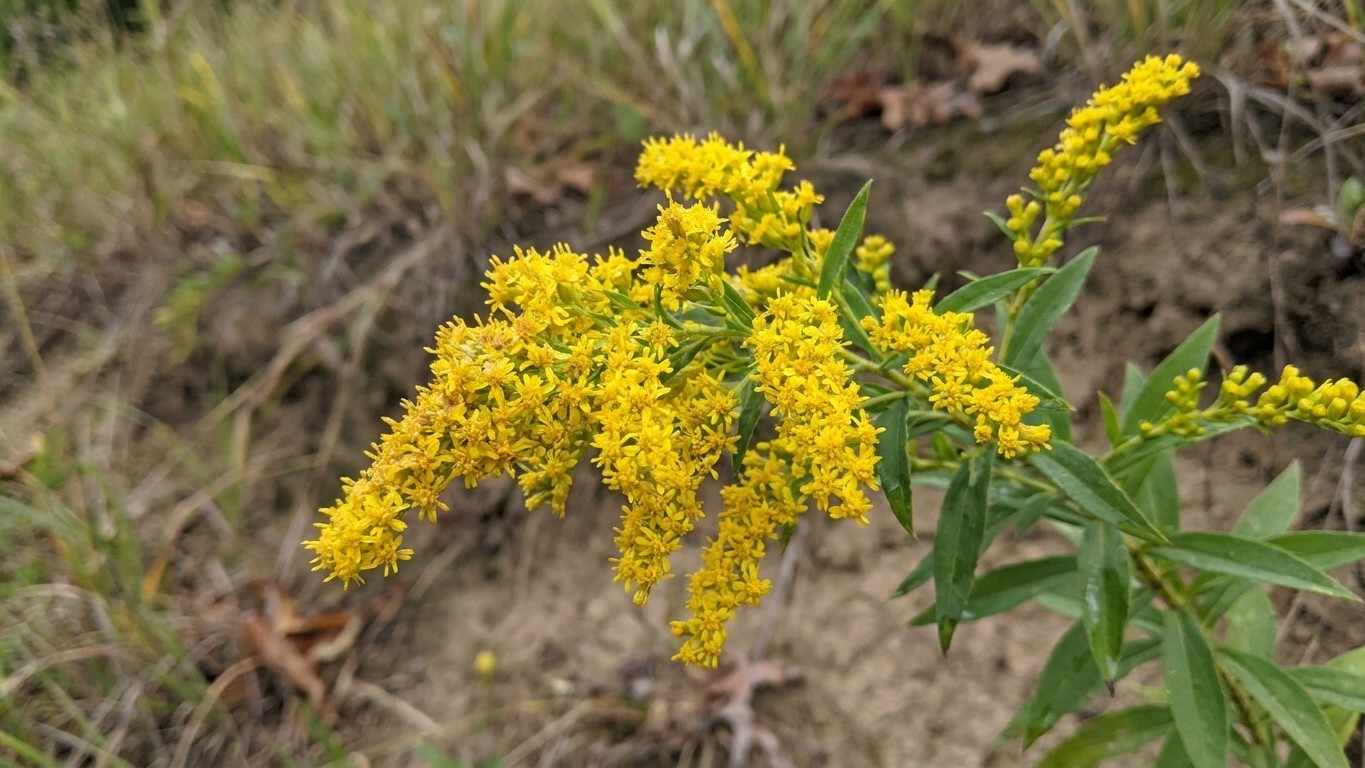
Cut it before it seeds, or you’ll be fighting it for the next decade. That’s the blunt logic behind a rule that farmers and hedgerow keepers have passed down for generations: never let goldenrod flower and set seed twice in a row on the same slope, ditch bank, or fallow patch. It sounds like folklore. It’s actually solid land management, and gardeners, conservationists, and small-scale landowners are rediscovering it in 2026 as invasive goldenrod species keep expanding their territory across fields, prairies, and roadside banks on both sides of the Atlantic.
Key takeaways
- What underground secret makes one missed mowing season undo decades of control?
- Why does letting goldenrod bloom twice poison the soil against everything else?
- How did a 17th-century ornamental garden plant become a 21st-century land management crisis?
The Rule Wasn’t Superstition, It Was Damage Control
Anyone who has watched a patch of goldenrod take over a bank knows how fast it moves. The plant develops numerous underground rhizomes and forms extremely dense populations, up to 300 stems per square meter, which smothers every other plant. That’s not a slow creep. That’s a hostile takeover, and once it’s established, pulling it back out is brutal work.
The old-timers’ fix was simpler than any herbicide: mow or scythe the stand before the flowers go to seed, every single season, so the plant never gets a second cycle to bank its genetic bet in the soil. Cutting campaigns organized before the plant goes to seed are how communities have historically kept it from spreading further. Skip a year, let it bloom twice on the same bank, and the seed bank in that soil multiplies faster than any spring cleanup can undo.
There’s a second reason this mattered to people working the land, and it has nothing to do with aesthetics. The success of Canadian goldenrod’s invasion is partly driven by allelochemicals that affect seed germination, root formation, and growth of nearby plants. In plain terms, the plant poisons the ground against its neighbors. A bank that flowers goldenrod unchecked for two seasons running doesn’t just have more goldenrod. It has soil that’s actively hostile to whatever farmers wanted growing there instead, whether that was pasture grass, wildflowers, or a hedge.
What’s Actually Happening Underground
Modern research backs up what those old-timers figured out by trial and error. Canada goldenrod creeps by rhizomes to form large clones that typically smother out, or at best suppress, other native prairie flowers and grasses. Extension agronomists studying conservation land today essentially write the same instructions in a PDF that a farmer might have muttered to his son a hundred years ago. One of the clearest “don’ts” in current guidance is to avoid mowing goldenrod after seed production has already happened, since the whole goal is reducing density rather than complete eradication.
The rhizome problem is why yanking a few stems in July does almost nothing. The stems and their attached rhizomes have to be pulled after a soaking rain when the soil is soft, and a tool that can follow the rhizomes about two inches below the surface is often needed to uproot them. A single missed rhizome fragment is enough to restart the whole patch, which is why composting the cuttings is a mistake gardeners still make. Getting rid of the rhizomes by composting should be avoided since small fragments can resprout, and burning remains the most reliable disposal method.
Why This Old Habit Is Back in 2026
Warmer, longer growing seasons have given goldenrod more room to run, and land managers are noticing it colonize ground that used to stay clear until late summer. At the same time, glyphosate and broad herbicide use is under tighter regulatory scrutiny across Europe and increasingly questioned by home gardeners in the US, which pushes people back toward mechanical, timing-based control instead of chemical shortcuts. Mowing before bloom, the exact move the old-timers relied on, fits that shift perfectly.
Pollinator gardening is part of the story too. Goldenrod is genuinely valuable forage for bees late in the season, which is why nobody wants to eliminate it outright. In its native range this plant is responsible for a significant honey flow that produces a distinctive monofloral honey. The old rule was never “kill it.” It was “don’t let it dominate,” a distinction that matters a lot more to today’s rewilded backyard than it did to a monoculture lawn owner in 1985. Extension advice now echoes that nuance directly: a sparse amount of goldenrod in any conservation planting is highly desirable and beneficial to wildlife, but it can outcompete other herbaceous plants and reduce overall diversity if left unchecked.
Applying the Old Trick on Your Own Ground
You don’t need a hedgebank in the French countryside for this to matter. A sunny corner of a suburban yard, an unmowed fence line, a pollinator strip left too long, all of it can go from “nice patch of late-summer yellow” to a rhizome mat in two seasons flat. The fix costs nothing but timing:
- Cut or mow the stand before the flower heads open into full seed, not after
- Repeat the cut every year rather than skipping a season, since one missed cycle undoes the progress
- Never toss the cuttings on a home compost pile
- Leave a small, contained patch standing if pollinators are a priority
None of this is complicated. It’s the kind of low-tech, repetitive discipline that doesn’t photograph well for a gardening feed but actually works, which might be exactly why it got forgotten in the first place.
One detail rarely makes it into the modern warnings: the plant causing all this trouble wasn’t smuggled in by accident. Canada goldenrod was one of the first plants imported into Europe, introduced into English botanical gardens as early as 1645, then spread rapidly across the continent as an ornamental. Nearly four centuries later, the same flower still gets planted for its color and still needs the same blunt, seasonal discipline to keep it from swallowing the bank whole.
Sources : ncbi.nlm.nih.gov | japaneseknotweedkillers.com