
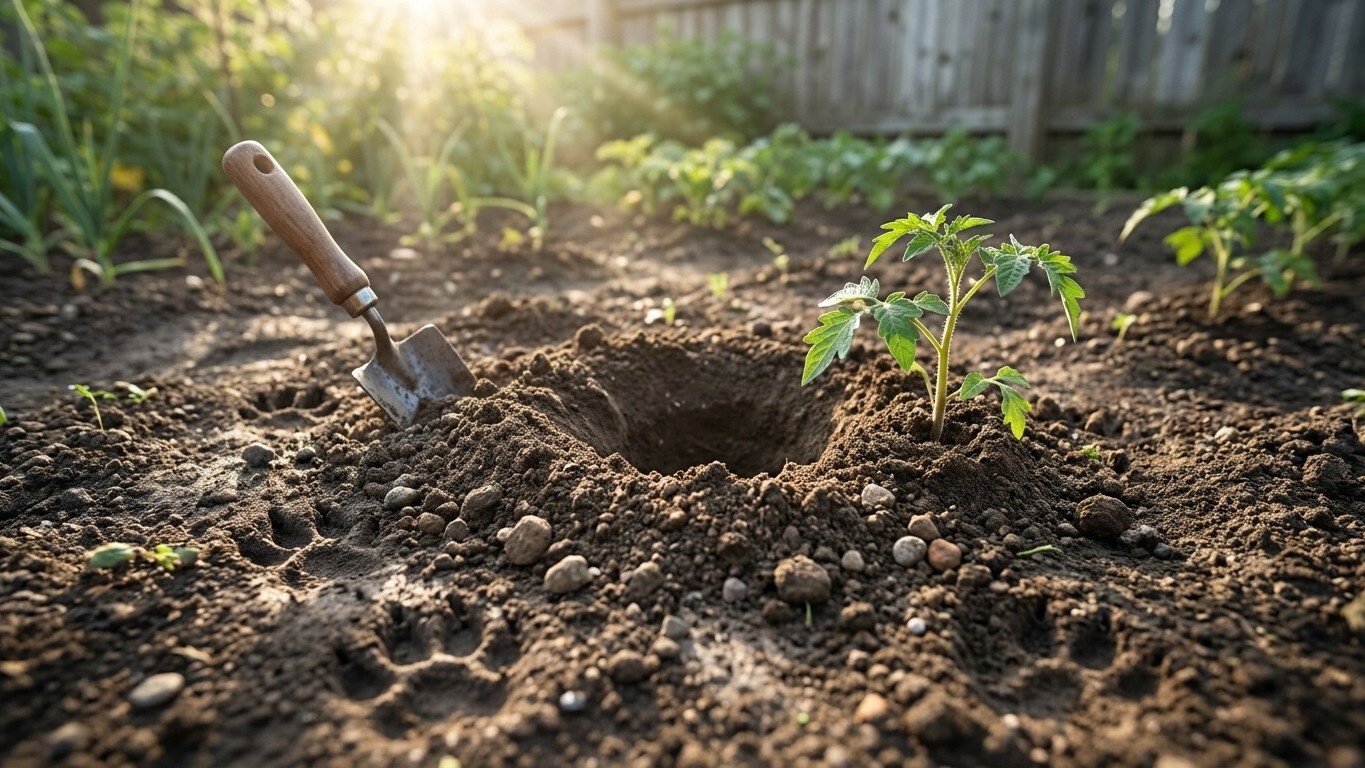
A trench where the tomato row used to stand, soil flung onto the mulch, and paw prints pressed clean into the dirt right next to two seedlings pulled clean out of the ground, roots and all. That’s what greeted one gardener after trying the old trick of tucking a fish head under each tomato plant. The fertilizer worked exactly as promised. The problem was that something else smelled it working too.
Key takeaways
- A gardener woke to find their entire tomato row excavated by raccoons searching for buried fish fertilizer
- Fish heads are an exceptionally effective slow-release fertilizer—but predators can smell them from far away
- The difference between a thriving garden and a crater-filled disaster comes down to one critical measurement
Why the fish-head trick refuses to die
This isn’t a fringe hack invented on social media last summer. Colonial settlers learned from Indigenous farmers to plant seed corn alongside a fish head, and that same instinct has resurfaced in backyard gardens for a simple reason: it works. Fish decompose into a slow-release fertilizer that’s genuinely exceptional, high in nitrogen, phosphorus, and potassium, with trace minerals including calcium and magnesium that synthetic feeds don’t deliver. Tomatoes, being heavy feeders with deep root systems, respond to that kind of slow, steady release better than almost any other backyard crop. The phosphorus alone in the fish boosts root and stalk development, which is exactly what a tomato plant needs before it starts pushing out fruit.
The appeal is obvious once you think about the economics. A fish carcass that would otherwise go into the trash becomes a multi-week fertilizer drip feed instead. Buried deep enough, the fish head starts decomposing right as the plant’s roots reach it, delivering a nutrient boost exactly when the plant needs it most. No bag, no bottle, no trip to the garden center. Just leftovers doing a second job.
The smell you can’t detect is the whole problem
Here’s what most gardeners underestimate: a human nose gives up long before a raccoon’s does. Raw fish smells even to humans, and predators and scavengers like foxes, dogs, and raccoons have far more sensitive noses and will happily devour old fish scraps if they can reach them. That scent doesn’t stay politely contained to the planting hole. It drifts, especially as decomposition heats up and gases escape through the soil, and it reads to a hungry animal as a dinner bell rung directly over your tomato row.
The list of animals willing to dig for it is longer than most people expect. Possums, rats, raccoons, skunks, bears, coyotes, and even the neighbor’s dog or cat will all go after buried fish scraps. One gardener online described exactly this scenario after using fish emulsion: waking up to find the tomato bed dug up by something searching for fish, with paw prints pointing to raccoons that had caught the scent. Extension researchers back this up too, noting that raccoons often visit beds treated with fish products and gardeners should expect some digging the first time they apply it. In areas with larger wildlife, the stakes go up further. Fish fertilizer is known to attract bears from near and far, and fish waste is actually used commercially as bear bait.
How deep actually stops the digging
The fix isn’t complicated, but it does require more effort than most first-timers put in. A hole a few inches deep, the kind you’d dig for a seedling anyway, does almost nothing to contain the odor. Burying scraps only a couple of inches down isn’t enough to keep predators away; most experienced gardeners bury fish scraps 18 to 20 inches deep instead. Other sources land in a similar range: aiming for 18 to 24 inches deep buries the scent far enough to prevent unwelcome digging and stops odors from reaching the surface. Even on the shallower end of the advice, experts recommend at least 12 inches, ideally 18 inches wherever wildlife pressure is high, since anything shallower gets dug up by foxes, dogs, or raccoons.
Depth solves the smell problem, but it also has to line up with how you plant. Tomatoes actually reward this. Tomatoes grow best when planted deeply or even sideways to build a large root system, and combining that depth with a buried fish head creates the kind of environment that produces exceptionally productive plants. Frozen fish heads help too. Putting the fish in the ground while still frozen means it’s well below the surface before it thaws and starts releasing odor, buying you a few extra days before the smell becomes detectable at all.
Protecting the row without giving up on the free fertilizer
A few low-effort tricks make the difference between a thriving tomato bed and a crater-pocked one. Sprinkling cayenne pepper around the plants helps discourage animals from investigating further, and for stubborn diggers, covering the burial spot with thorny rose branches acts as a physical deterrent on top of the scent barrier. Timing matters as much as depth. Working with fish-based fertilizers in the early morning gives the smell time to fade by nightfall, since most wildlife visits happen after dark when the garden sits quiet.
Composition matters too, and it’s worth being picky about what actually goes in the hole. Only raw fish should go in the ground, since cooked fish can carry pathogens and actually smells worse once buried. Skip anything seasoned or brined for the same reason, and stick to fruiting crops rather than root vegetables directly over the site, since root vegetables planted directly over a burial site risk picking up pathogens through their edible roots, while fruit-bearing plants like tomatoes keep the fruit safely above ground. If digging a two-foot trench for every plant sounds like more excavation than a Saturday allows, a deodorized commercial fish emulsion delivers similar nitrogen without the same standing invitation to the local raccoon population. It’s a smaller win, but a lot less digging to clean up afterward.
Sources : askaprepper.com | pioneerthinking.com