
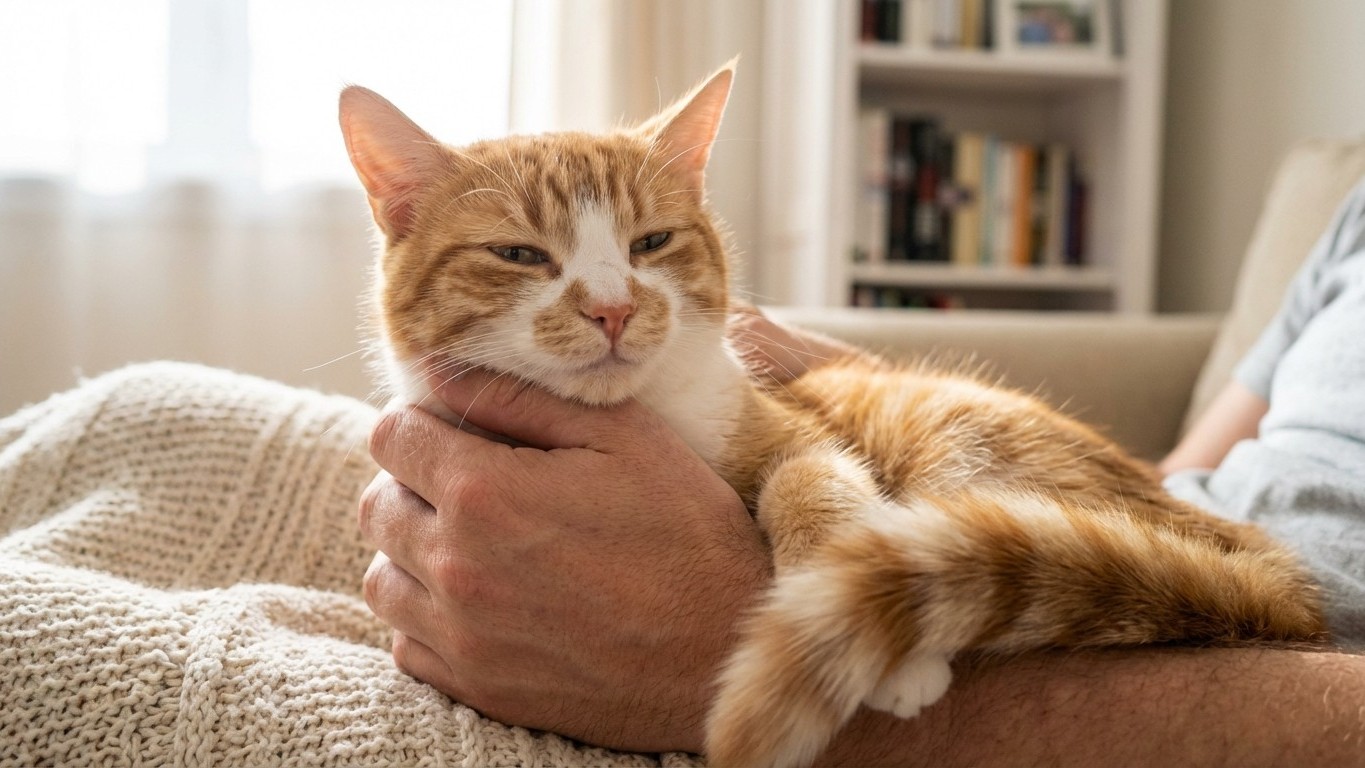
That moment when you reach for your beloved feline companion, expecting a warm snuggle session, only to be met with rigid muscles and a less-than-enthusiastic response. Many cat owners find themselves puzzled by their pet’s reaction to being picked up, often misreading the subtle but crucial signals their cats are sending. Understanding these communications can Transform-these-3-vegetables-into-superstars”>Transform your relationship and ensure your furry friend feels truly comfortable in your arms.
Cats are masters of subtle communication, and their body language speaks volumes about their comfort level when being handled. Unlike dogs, who generally welcome physical affection with obvious enthusiasm, cats express their feelings through nuanced signals that require a more discerning eye. The difference between a content cat and one that’s merely tolerating your embrace often lies in details that many pet owners overlook.
Reading the Silent Protest: Body Language That Says “Put Me Down”
When a cat tenses their body immediately upon being lifted, they’re sending a clear message that this interaction isn’t their preferred form of bonding. Their muscles become rigid, almost statue-like, as they prepare for what they perceive as an uncomfortable or potentially threatening situation. This tension often starts in their core and radiates outward, affecting their entire posture.
The position of their paws reveals another layer of communication. Cats who enjoy being held typically relax their limbs, allowing them to dangle naturally or settle comfortably against your body. However, those who feel uneasy will often keep their paws tucked tightly against their chest or spread them wide as if preparing to push away and escape at the first opportunity.
Ear positioning offers additional insight into your cat’s emotional state. Forward-facing ears generally indicate alertness and engagement, while ears that swivel backward or flatten against the head suggest discomfort, anxiety, or irritation. These micro-movements happen quickly and require careful observation to detect.
The Misunderstood Purr and Other Vocal Clues
Perhaps one of the most misinterpreted signals is the purr itself. While many assume that any purring indicates happiness and contentment, cats actually purr for various reasons, including self-soothing when stressed or uncomfortable. A cat being held against their will might purr as a coping mechanism rather than an expression of joy. The key lies in listening to the quality and intensity of the purr, combined with observing other body language cues.
Vocalizations provide another window into Your Cat‘s experience. Soft chirps or gentle mews often indicate contentment, while low growls, even barely audible ones, Signal that your cat would prefer to be released. Some cats remain completely silent when uncomfortable, using their quiet protest as a form of communication that requires attention to their physical signals instead.
Tail Tales: The Ultimate Mood Indicator
A cat’s tail serves as one of the most reliable indicators of their emotional state during handling. A relaxed, gently swaying tail suggests comfort and acceptance. However, rapid flicking, thrashing, or a tail that becomes thick and bottle-brush-like indicates stress or agitation. Even subtle movements, like quick twitches at the tip, can signal that your cat is reaching their tolerance limit.
The overall position of the tail also matters significantly. A tail held low or tucked between the legs suggests fear or submission, while a tail that stands straight up typically indicates confidence and comfort. Cats who wrap their tails around themselves while being held are often seeking security and may be feeling vulnerable in that position.
Eye contact and blinking patterns add another dimension to feline communication. Slow, deliberate blinks are often called “cat kisses” and indicate trust and affection. Conversely, wide eyes with dilated pupils can signal stress or overstimulation. Cats who avoid eye contact entirely while being held might be using this behavior to communicate their discomfort without resorting to more dramatic escape attempts.
Building Trust Through Respectful Interaction
Creating positive associations with being handled requires patience and respect for your cat’s boundaries. Rather than forcing physical contact, allow your cat to approach you and initiate interaction when they feel comfortable. This approach builds trust and creates a foundation for more successful handling experiences in the future.
The method of picking up your cat significantly impacts their comfort level. Supporting their chest with one hand while cradling their hindquarters with the other provides security and prevents the feeling of falling that many cats find distressing. Avoid grabbing them suddenly or lifting them in ways that leave their legs dangling unsupported.
Recognizing and responding appropriately to these signals strengthens the bond between you and your feline companion. When you notice signs of discomfort, gently returning your cat to solid ground shows that you respect their communication and helps build trust for future interactions. Over time, this respectful approach often leads to cats becoming more receptive to being held, as they learn that their boundaries will be honored.
Understanding your cat’s subtle language transforms everyday interactions into opportunities for deeper connection. By paying attention to these often-overlooked signals, you can ensure that your expressions of affection are truly welcomed, creating a more harmonious relationship built on mutual respect and understanding.