Prunes laissées sur l’arbre après la pluie : pourquoi elles pourrissent
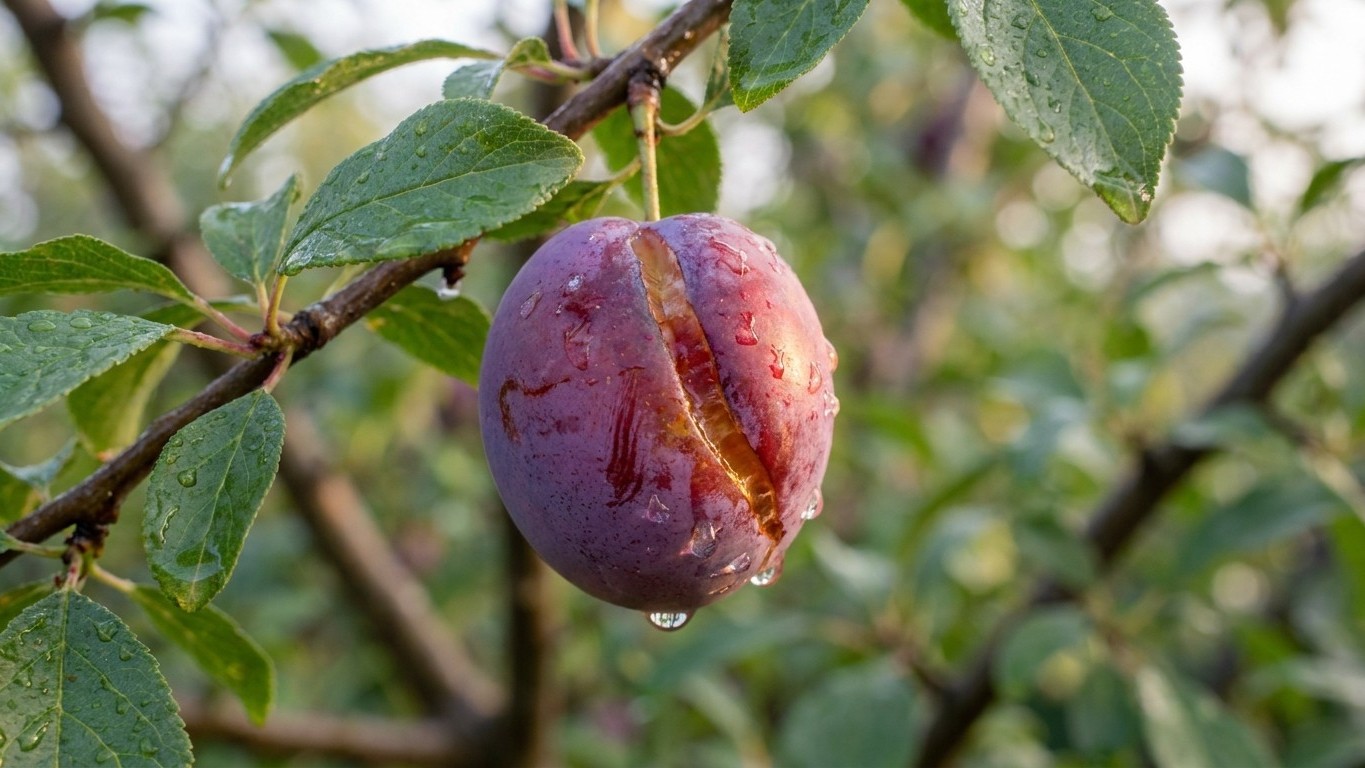
I left my plums on the tree three extra days after the August downpour just to let them sweeten: what had opened on the sk...

A simple split in a plum is rarely the real problem—it’s what moves in afterward that ruins the fruit. Brown rot, wasps, and flies exploit the wound left by water absorption, turning a minor crack into total loss within days. Understanding the science behind splitting helps growers protect their sweetest fruit.
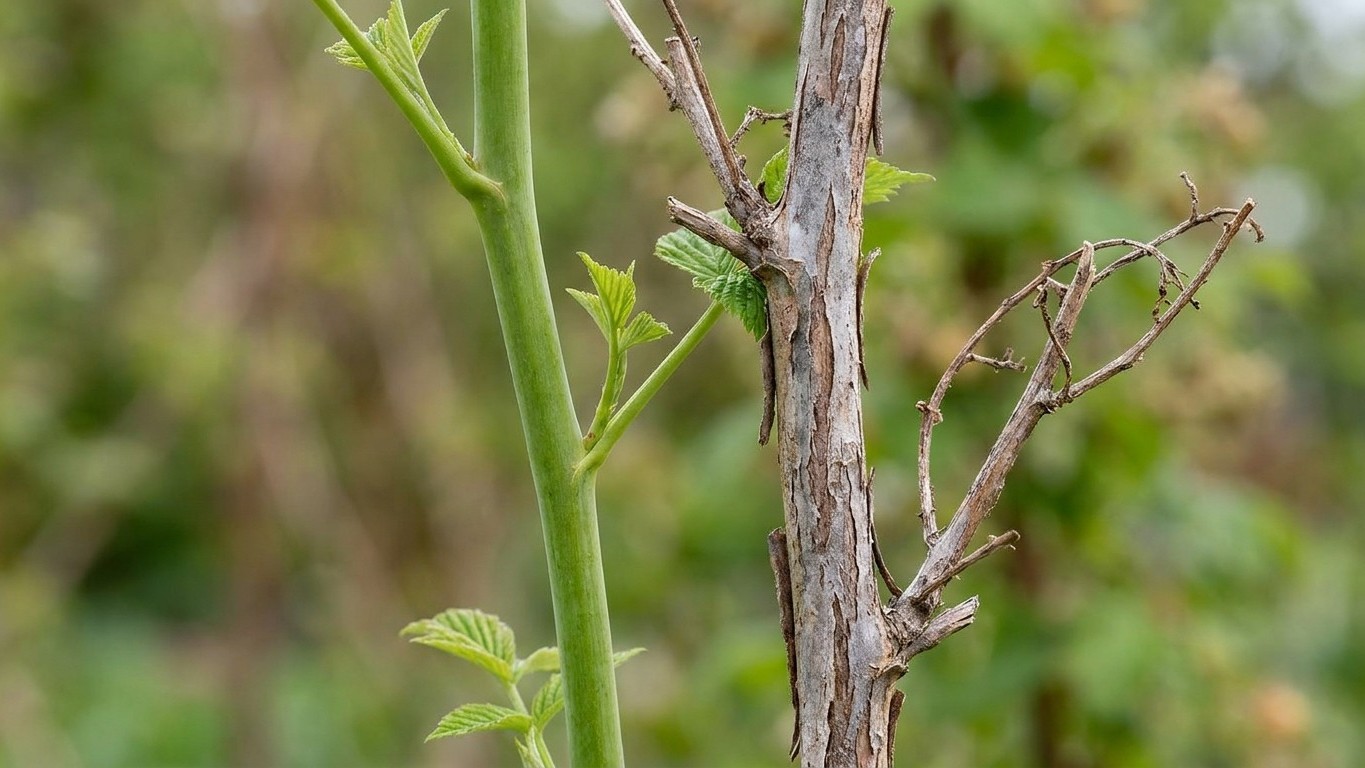
Framboisiers : pourquoi couper toutes les tiges fait perdre la récolte

I cut every raspberry cane down to the ground after the autumn picking just to start the season clean: the following June,...

One pruning mistake can wipe out an entire season of raspberries—and most gardeners don’t realize they’re making it. The secret lies in understanding that raspberries follow two completely different rulebooks depending on variety, and applying the wrong one means watching your neighbor’s row explode with berries while yours stands empty.

Framboisiers faibles et pâles : pourquoi tailler après la récolte

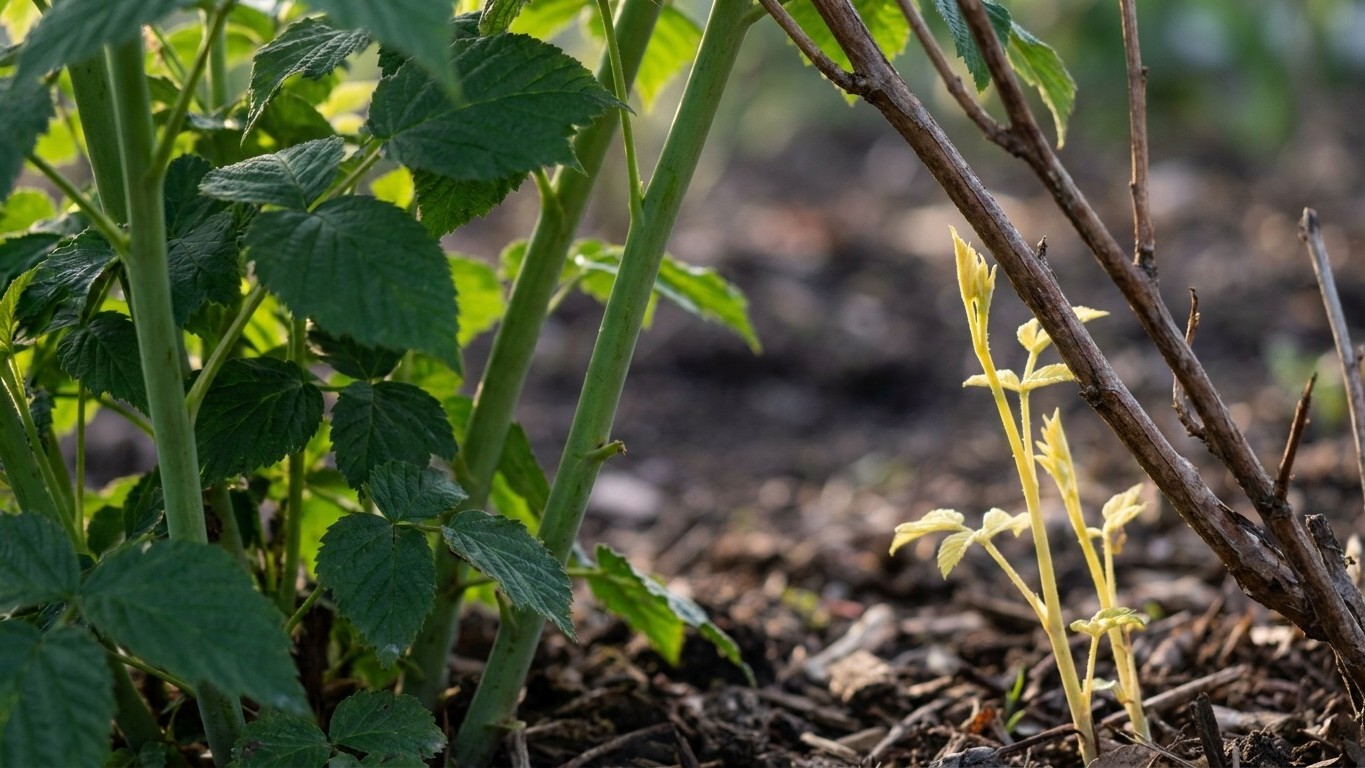
Why Your Raspberry Canes Turn Weak and Pale: The Hidden Cost of Skipping Post-Harvest Cleanup

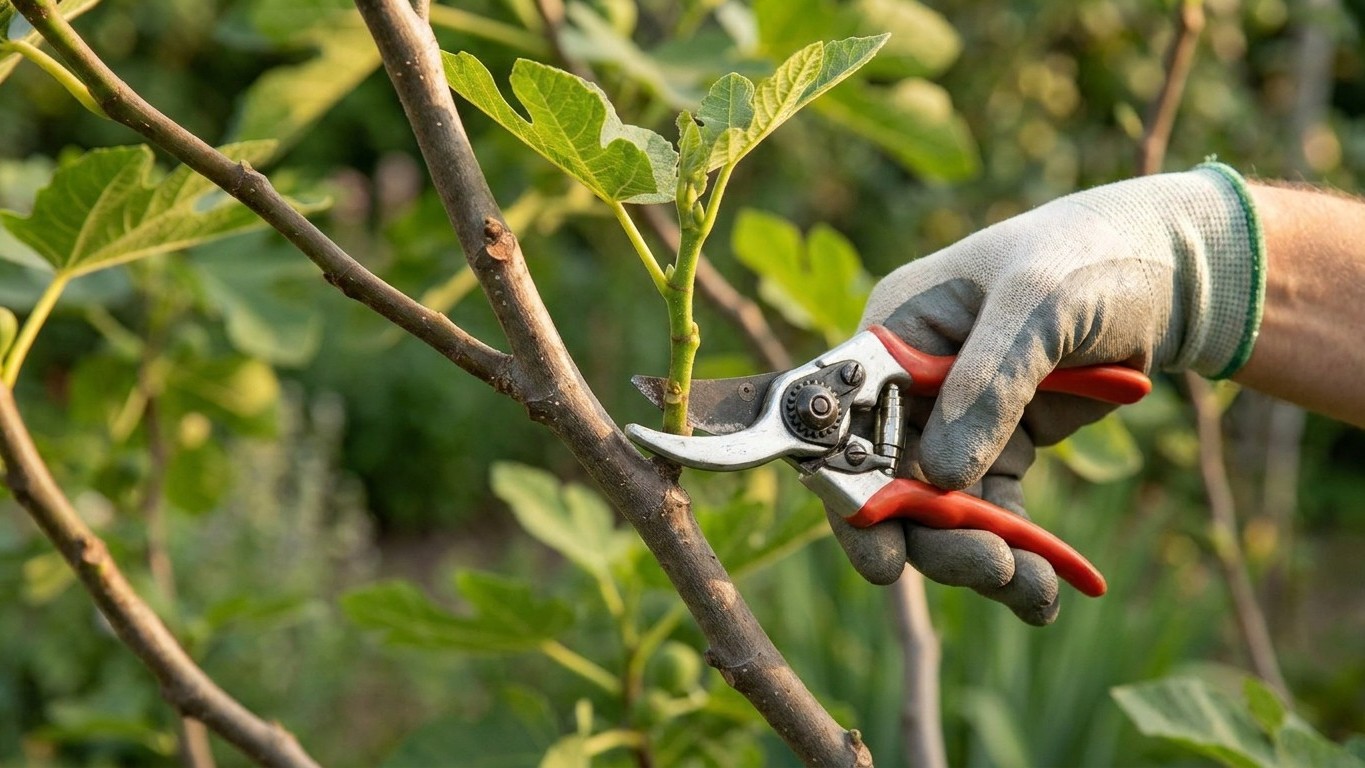
Spent raspberry canes don’t disappear after harvest—they keep draining nutrients, water, and light from next year’s growth, leaving new shoots visibly weak and pale. A single 20-minute cleanup task right after harvest is the fastest way to ensure vigorous, healthy canes and a stronger crop the following summer.