
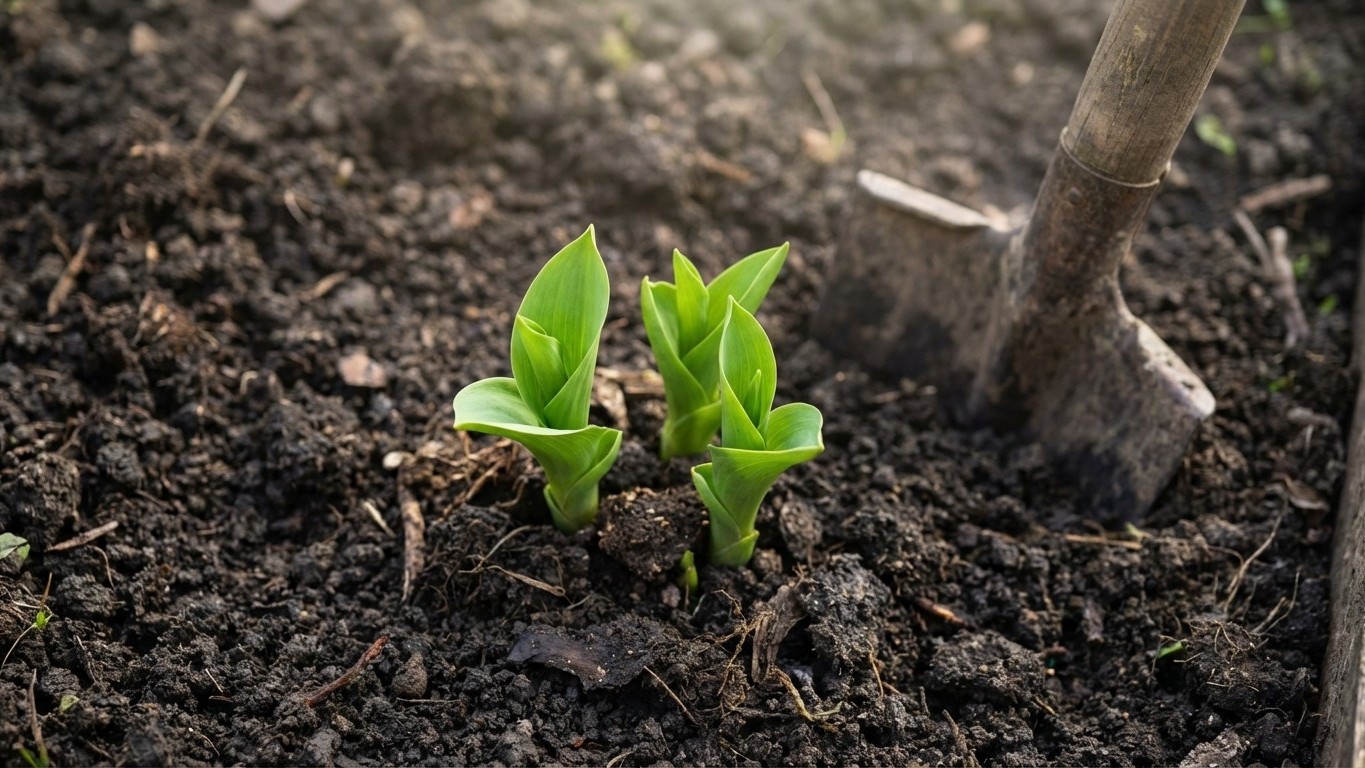
For years, I Divided my perennials like clockwork every spring, convinced I was doing right by my garden. The clumps were getting crowded, the blooms were thinning, and every gardening book on my shelf said the same thing: divide to rejuvenate. What none of them mentioned clearly enough was that timing within spring matters enormously, and I had been getting it wrong in a way that quietly cost me a full season of blooms, year after year.
Key takeaways
- The perfect moment to divide perennials happens earlier than you think—when shoots are barely 2-3 inches tall
- Fall-blooming plants like asters and sedums have completely different division rules than summer bloomers
- Most gardeners divide far too frequently; many perennials thrive best when left undisturbed for years
The Mistake That Looks Like Good Gardening
The error is deceptively easy to make. Every spring, as soon as the ground warms and that familiar itch to dig hits, gardeners grab their spades and start splitting. The problem? Many popular perennials, daylilies, coneflowers, black-eyed Susans, and especially fall bloomers like asters and sedums — are already building toward their flowering cycle by the time the soil feels workable. Divide them too early in the growth phase, and you interrupt that process at exactly the wrong moment.
Think of it like pulling a loaf of bread out of the oven halfway through baking. The structure is there, but the result is nowhere close to what it should be. The plant survives, yes. It may even look fine through summer. But it flowers weakly, if at all, because its energy reserves went into recovery rather than reproduction.
The real mistake I was making wasn’t dividing in spring, it was dividing too late in spring, once growth was already well underway. The sweet spot is earlier than most people think: when shoots are just emerging, no more than two to three inches above the soil. At that stage, the plant is still drawing on root reserves rather than investing energy into new tissue. Disturb it then, and it bounces back fast.
Not All Perennials Play by the Same Rules
Here’s where it gets more nuanced. Spring division works beautifully for summer-blooming perennials: hostas, daylilies, ornamental grasses, and garden phlox all respond well when divided as they emerge. These plants have enough season ahead of them to recover, establish new roots, and still produce flowers.
Fall bloomers are a different story entirely. Asters, goldenrod, and sedums set their buds based on day length, they’re already “planning” their fall display during spring growth. Dividing them in spring, even early spring, disrupts that hormonal sequence. The fix is straightforward: divide fall bloomers in late summer or early fall, right after they finish flowering. You get healthy divisions and zero bloom sacrifice.
Spring bloomers like bleeding heart and hellebores? Leave them alone entirely during their active period. Divide only when the foliage starts to yellow and die back naturally. Some gardeners never divide hellebores at all, preferring to let them self-seed, which, frankly, is the easier path and often produces more interesting plants anyway.
What Healthy Division Actually Looks Like
Once you’ve got the timing right, technique makes or breaks the result. A dull spade or a hasty chop through a clump does more damage than good. The outer sections of a perennial clump are the youngest and most vigorous, the center is typically the oldest tissue, often hollow or woody, and that’s the part to discard. Most gardeners instinctively keep the center because it’s the biggest piece. Counterintuitive, but wrong.
Each division should have a minimum of three to five healthy shoots and a corresponding root mass. Smaller than that, and the plant spends its first season just surviving rather than establishing. After dividing, replant immediately, even twenty minutes of exposed roots drying in the wind causes setback. If you can’t replant right away, wrap divisions in damp burlap or a wet newspaper. Old-school, but effective.
Watering after division is where many gardeners also slip up. The impulse is to water heavily and often, but consistently moist (not saturated) soil is what you’re after. Soggy conditions around fresh wounds invite rot. A layer of mulch around (not touching) the crown helps retain moisture without smothering the plant.
The Frequency Question Nobody Talks About Enough
Another assumption worth questioning: do perennials Actually need dividing every year? For most varieties, the honest answer is no. Fast growers like bee balm and yarrow may need attention every two to three years. Slower growers like hostas and daylilies can go four to six years without any intervention at all, and often look more impressive when left undisturbed to form large, established clumps.
The real cue to divide isn’t the calendar. It’s the plant. A dead or hollow center, noticeably smaller flowers, or a clump that’s clearly elbowing out its neighbors, those are the signals worth acting on. Dividing on a fixed annual schedule, regardless of what the plant is telling you, is a bit like scheduling a haircut every month whether you need one or not. The routine feels productive, but the plant would often prefer to be left alone.
There’s a quiet lesson buried in all of this. Gardening rewards observation over habit. The spring division ritual feels satisfying, feels responsible, and looks like diligence from the outside. But the garden doesn’t care about your routine, it responds to conditions, timing, and specific needs that vary plant by plant, season by season. Once I stopped dividing on autopilot and started reading what my perennials were actually asking for, the beds filled in fuller and the bloom cycles became more consistent. The spade still comes out every spring. Just a little earlier, and a lot more selectively.