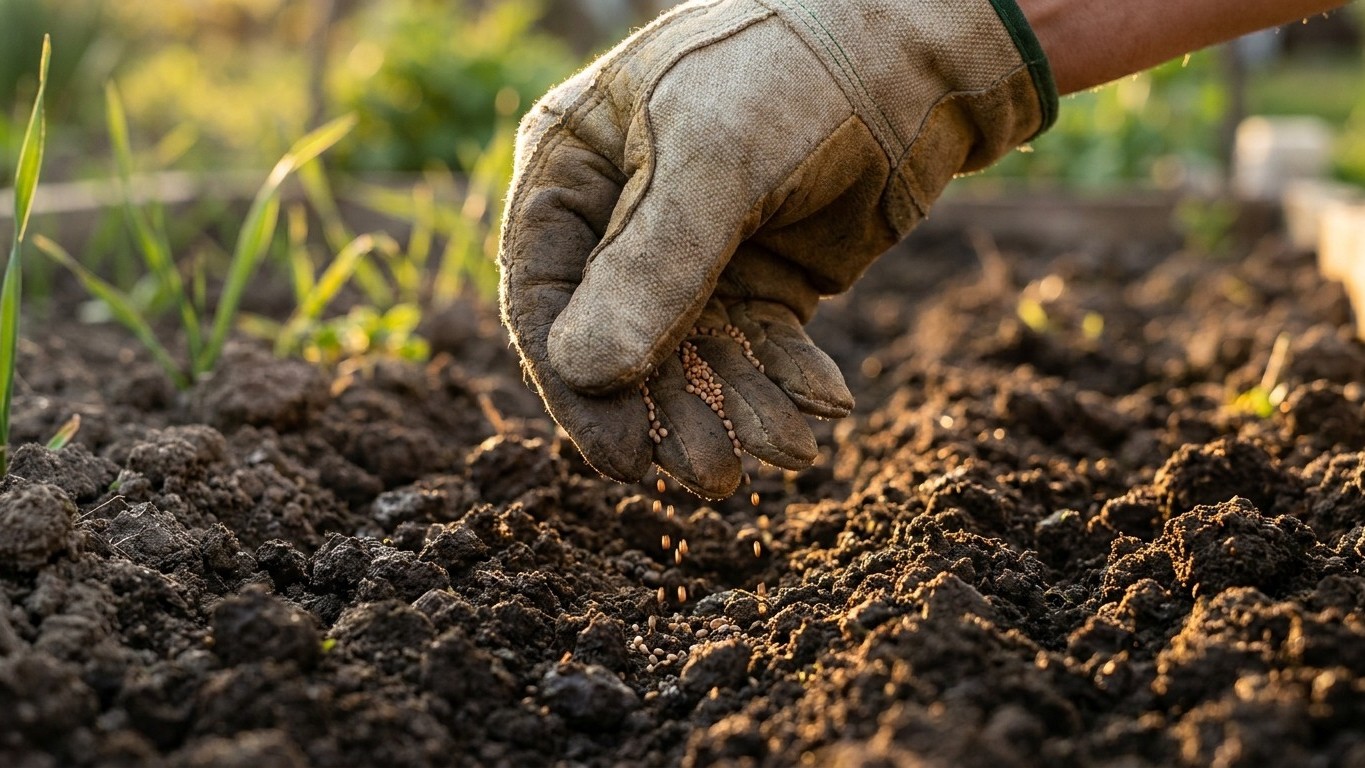
Late July feels like an odd time to start a vegetable garden, but the calendar says otherwise. Depending on where you live, you’ve got anywhere from 60 to 100 days left before the first hard frost, and that’s enough time for a whole second harvest. Radishes, lettuce, bush beans, turnips, kale, and a handful of other fast growers can go in the ground right now and still produce a real crop before the weather turns cold.
The trick is speed. Anything that takes 90 days to mature from seed is a gamble in most regions once August arrives. But plenty of vegetables were bred for exactly this window, maturing in 30 to 60 days and actually preferring the cooler nights that show up in September and October. Some even taste better after a light frost hits them.
Key takeaways
- Some vegetables actually prefer the cooler nights of September and October, and taste sweeter after a light frost
- Soil temperature and your specific frost date matter more than generic planting charts—counting backward from your first frost is the real secret
- Row covers and cold frames can extend your harvest into January, even in cold climates
Why Late Summer Planting Actually Works
Soil temperatures in late July are warm, sometimes too warm, which speeds up germination for seeds that would sulk in cold spring dirt. Radish and beet seeds that take 10 days to sprout in April might pop up in five days now. That head start matters when you’re racing the calendar.
Count backward from your area’s average first frost date, then subtract the number of days listed on the seed packet for “days to maturity.” Add a two-week buffer, because plants grow slower as daylight shortens in September. A lettuce variety rated at 45 days might realistically take 55 to 60 days when planted in early August. Skip that buffer and you risk pulling half-grown vegetables right before a freeze.
Regional differences matter more here than almost any other gardening decision you’ll make this year. Gardeners in northern states with frost arriving in late September have a narrower window than someone in Georgia or Texas, where the first frost might not show up until November or later. Checking your specific zone and local frost history, rather than relying on generic planting charts, saves a lot of disappointment.
What to Plant Right Now
Leafy greens are the easiest win. Spinach, arugula, and loose-leaf lettuce all mature in 30 to 45 days and actually grow sweeter as temperatures drop, since cold weather triggers plants to produce more sugars as a natural antifreeze. Mustard greens and mizuna work the same way, and both tolerate a light frost without flinching.
Root vegetables deserve more attention than they usually get in late-summer gardens. Radishes are almost absurdly fast, some varieties ready in under a month, making them a good choice even for gardeners who feel like they’ve already missed the window. Turnips and beets take a bit longer, generally 50 to 60 days, but both store well and handle a cold snap better than most vegetables in the garden.
Bush beans are worth squeezing in if your frost date is still eight or more weeks away. Unlike pole beans, which need a long season to climb and produce, bush varieties crank out a harvest in 50 to 55 days and don’t need trellising, which matters if you’re working with limited late-season energy for garden projects.
Kale and collard greens are the quiet overachievers of the fall garden. They grow slowly at first but tolerate temperatures well below freezing once established, meaning a planting in late July or early August can keep producing leaves into December in many regions. Some gardeners in mild climates harvest kale all winter long.
Keeping Seeds Alive in Summer Heat
Germinating seeds in August soil is a different challenge than germinating them in April. Surface soil can hit temperatures that stress out delicate seedlings, particularly lettuce, which can actually go dormant and refuse to sprout if the soil gets too hot. A thin layer of shade cloth or even a board propped over the row for the first few days can drop soil temperature enough to get seeds moving.
Watering becomes non-negotiable. Seeds planted in late summer often need daily watering just to keep the top inch of soil moist enough for germination, since summer sun dries out surface soil far faster than spring conditions do. Once seedlings have their first true leaves, watering can drop to every two or three days, but that early window is unforgiving if you skip it.
Mulching around new seedlings helps regulate both moisture and temperature, and a light layer of straw or shredded leaves works better than heavier bark mulch, which can smother small seedlings before they’ve established roots. Some gardeners also stagger plantings a week or two apart, a technique called succession planting, so a heat wave or unexpected pest problem doesn’t wipe out the entire fall crop at once.
Protecting the Harvest as Frost Approaches
Row covers, sometimes called frost blankets, extend the harvest window by several weeks in most cases. These lightweight fabric covers trap just enough heat to protect plants from a light frost, typically good for temperatures down to around 28°F depending on the thickness, without blocking rain or sunlight during the day.
Cold frames go a step further for gardeners serious about stretching the season. A simple box with a clear lid, often built from an old window frame, can keep greens producing well past the point where uncovered plants would have died back. Many gardeners harvest spinach and kale from cold frames into January in climates that would otherwise shut down gardening by November.
Not every vegetable planted in late July needs protection, though. Radishes and turnips are usually harvested and eaten before frost is even a concern, since their fast maturity means they’re often out of the ground within six to eight weeks of planting. The protection question really only applies to the slower crops, kale, collards, and late lettuce plantings, that are still growing as the weather turns.
One thing that surprises a lot of first-time fall gardeners: a light frost, the kind that leaves a thin white coating on the grass in the early morning, doesn’t kill kale, spinach, or turnip greens. It often improves the flavor within a day or two, as the plant converts stored starches into sugar. The real threat is a hard freeze, typically defined as temperatures dropping below 28°F for several hours, which is the point where row covers or cold frames stop being optional and start being the difference between a harvest and a loss.