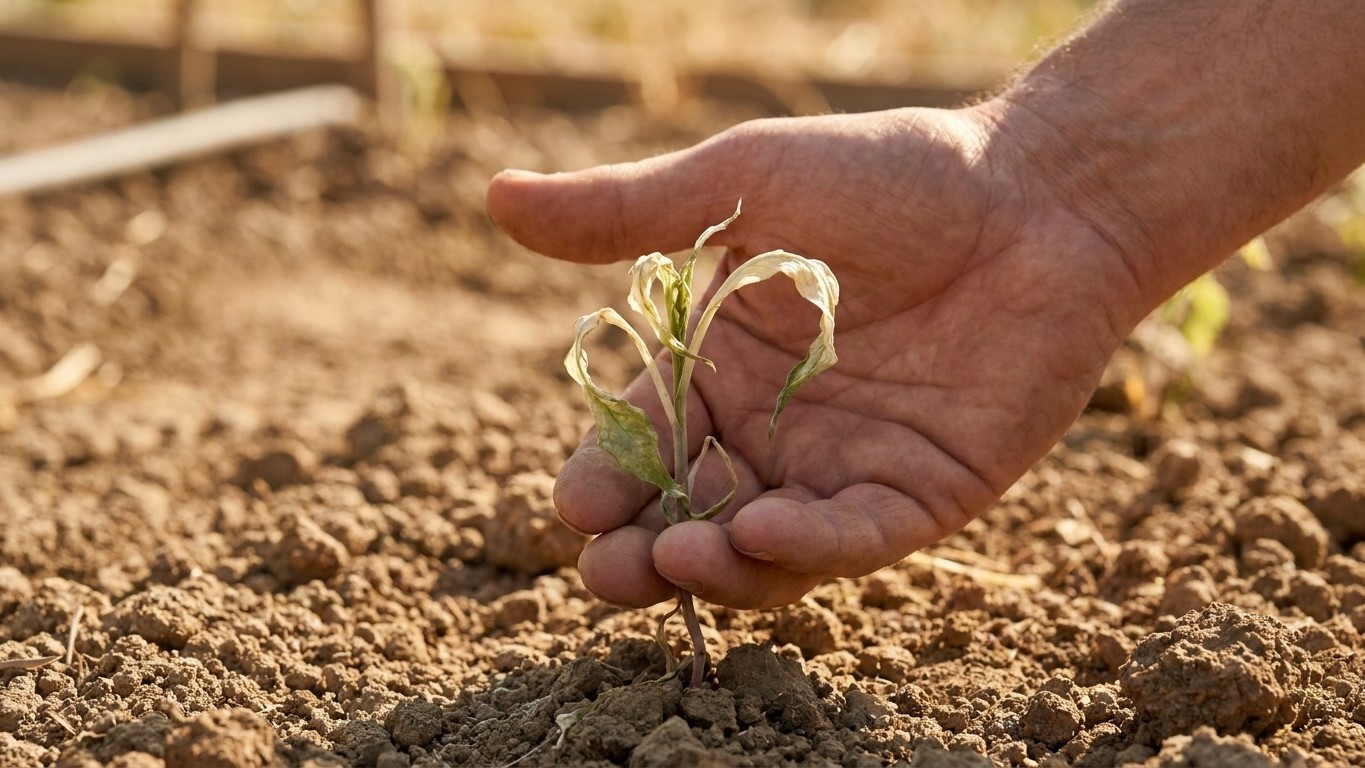
I sowed my spinach straight into the warm September soil just to get ahead: three weeks later, what was missing from the row wasn’t the water

I sowed my spinach straight into the warm September soil just to get ahead: three weeks later, what was missing from the r...

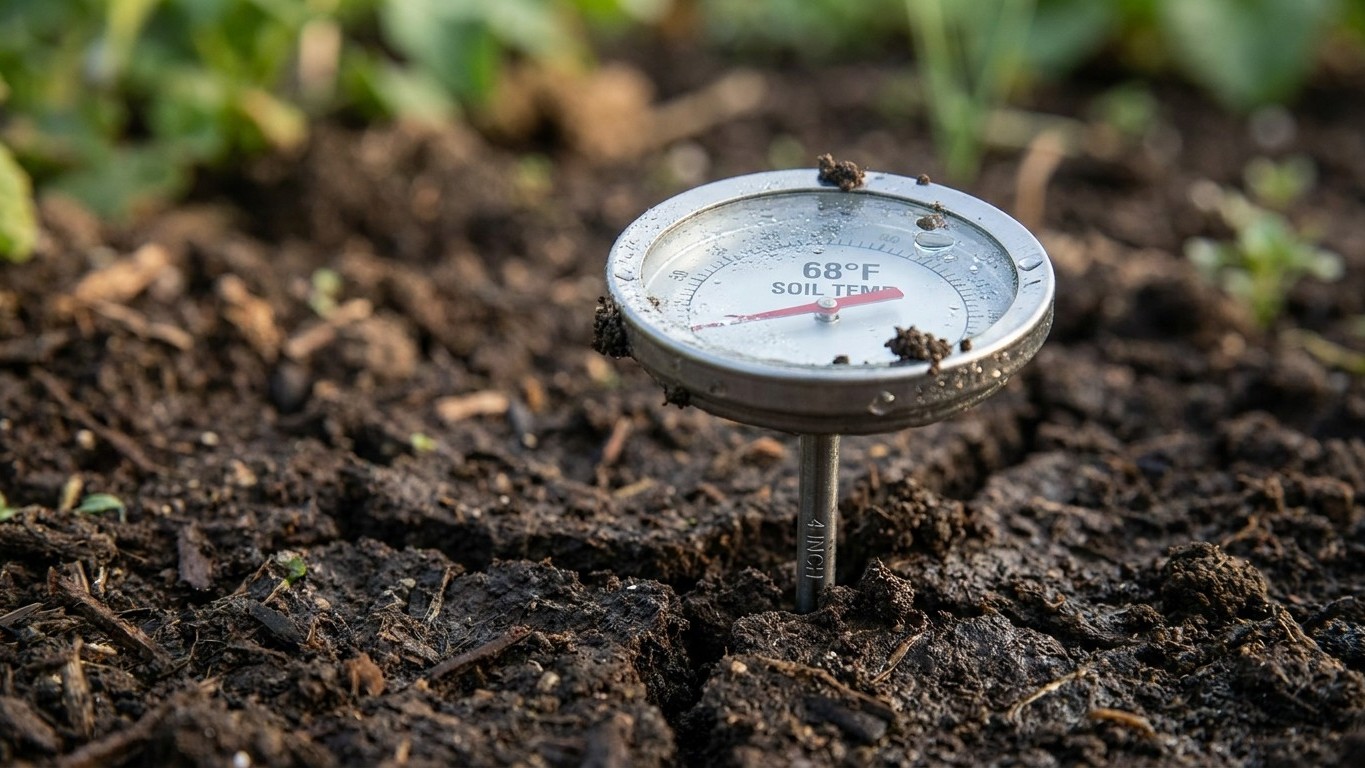
You watered faithfully for three weeks, but your spinach row stayed bare. The culprit isn’t your watering can—it’s soil temperature. Spinach seeds have a built-in thermal dormancy switch that shuts down germination when soil gets too warm, a survival mechanism thousands of years in the making.

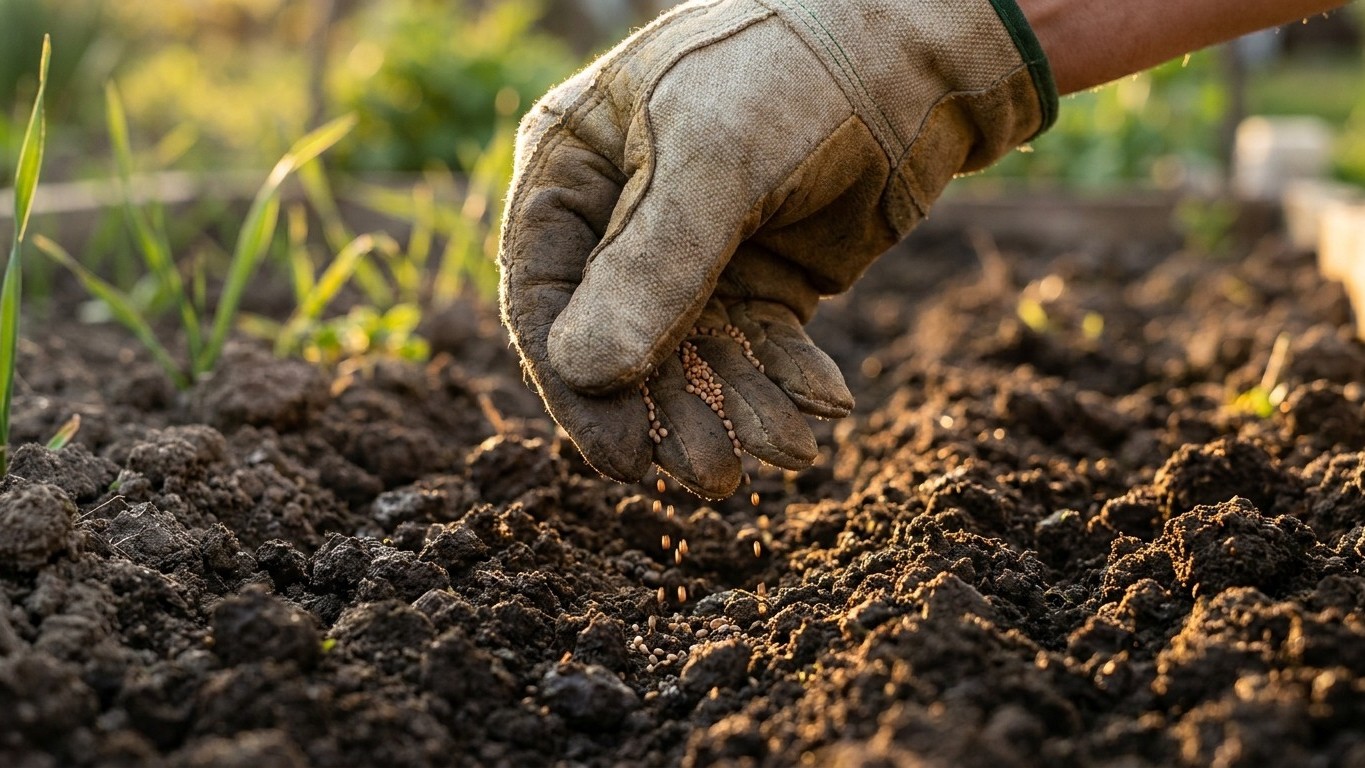
I sowed my rocket and lamb’s lettuce bare in mid-August just to get them in early: forty-eight hours later, the first leaves told me it was already too late

I sowed my rocket and lamb's lettuce bare in mid-August just to get them in early: forty-eight hours later, the first leav...

Sowing rocket and lamb’s lettuce in mid-August feels productive but often backfires within two days. The culprit isn’t bad luck or poor seeds—it’s soil temperature. These cool-season crops have strict germination windows that mid-August heat violates, triggering dormancy or weak, stressed seedlings that bolt before producing usable leaves.

Beat the Frost: Your Complete Guide to Growing Vegetables in Late Summer

Beat the Frost: Your Complete Guide to Growing Vegetables in Late Summer

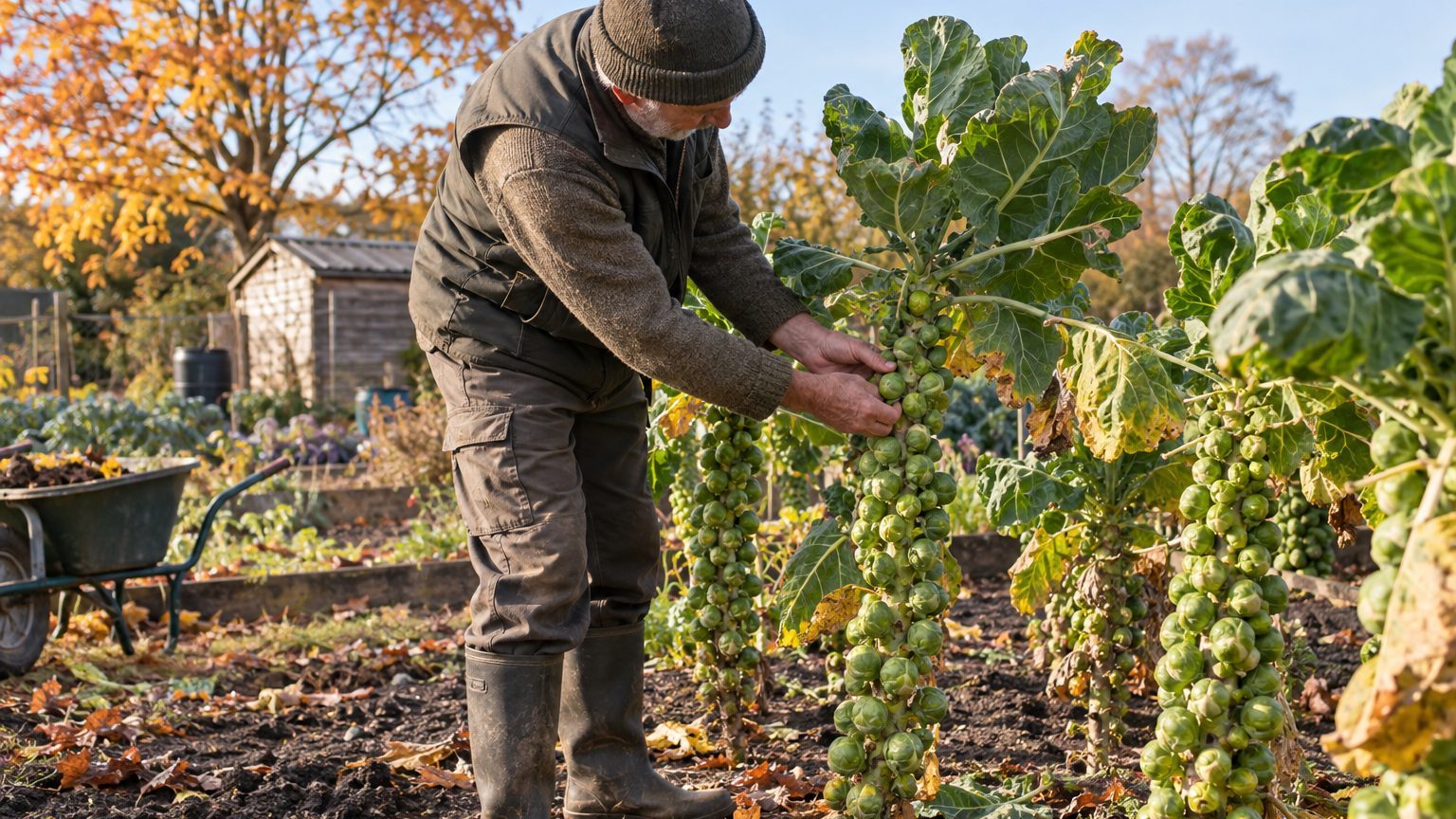
Late summer isn’t too late to start a vegetable garden. With 60-100 days before the first frost, you can grow a full second crop of fast-maturing vegetables like radishes, lettuce, and kale that actually taste better in cool weather. Discover which crops to plant now and how to protect your harvest as temperatures drop.