
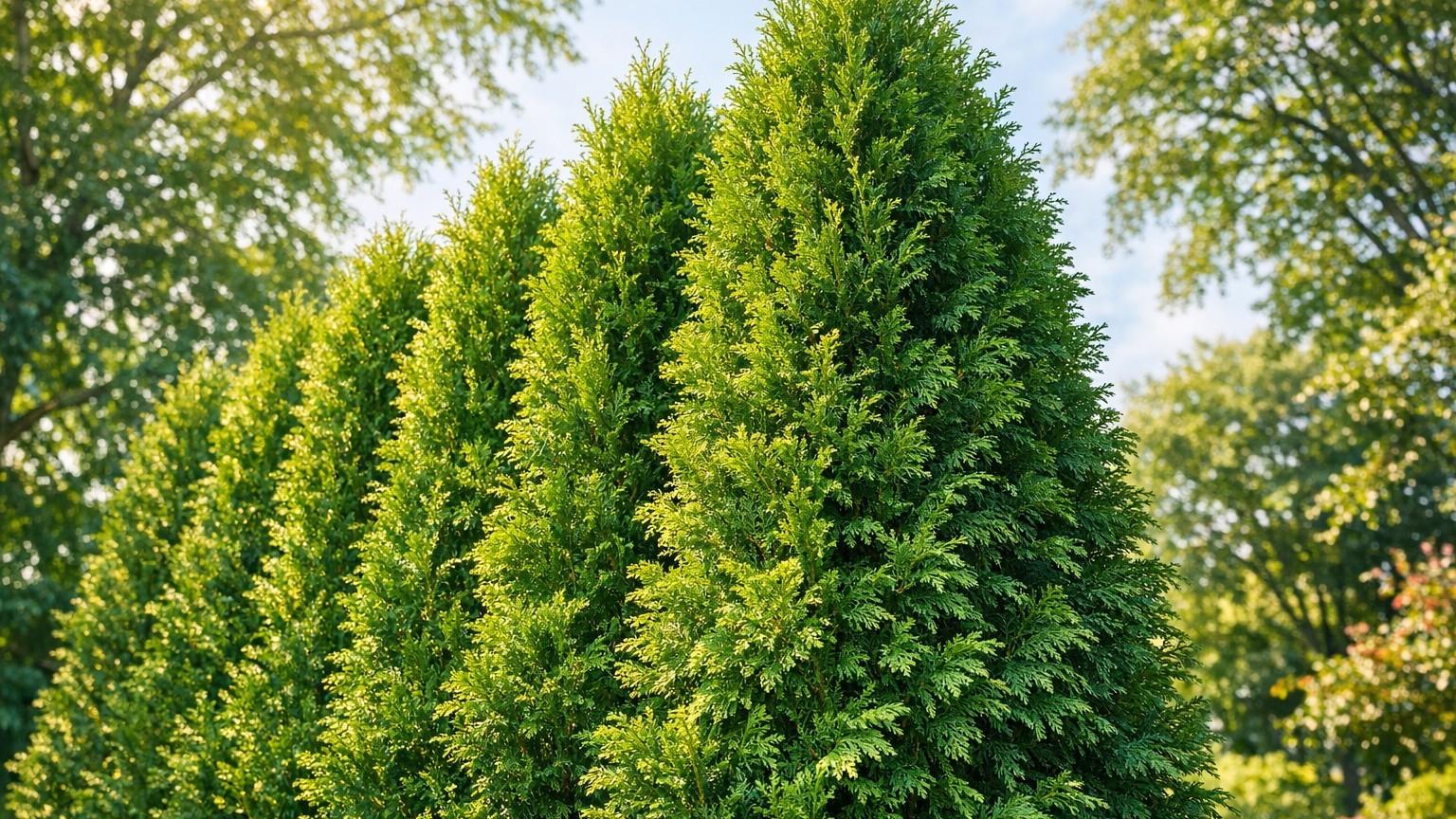
For decades, cherry laurel (Prunus laurocerasus) was the default choice for homeowners wanting a fast, dense hedge. Glossy leaves, shade tolerance, low price, it checked every box. But 2026 is shaping up to be a turning point for this once-ubiquitous plant, and professional landscapers across the country are quietly pivoting to smarter alternatives that grow just as fast without the ecological baggage.
Key takeaways
- A major plant swap is happening in 2026 as cherry laurel faces bans and restrictions across multiple countries
- One unexpected contender is growing 3-5 feet per year and resists diseases that decimated millions of other plantings
- The replacement strategy isn’t one-size-fits-all—different regions are embracing native alternatives with surprising speed benefits
Cherry Laurel’s Reputation Is Cracking
Cherry laurel is damaging for two big reasons: its rapid growth and ability to thrive in shade or drought means it can quickly overtake other plants, shade out native trees, and cause serious problems for ecosystems. That’s not a hypothetical. Switzerland banned the sale and import of cherry laurel from September 2024, with the aim of preventing the spread of this invasive species. Ireland isn’t far behind, a 2025 report from the Gaelic Woodland Project warns that the failure to regulate the highly invasive cherry laurel is causing serious, ongoing harm to Irish ecosystems, despite it being classified by the National Parks and Wildlife Service as an “established highly invasive species with a risk of high impact.”
In the United States, the situation varies by region but the direction of travel is clear. Cherry laurel has become invasive in Oregon, with its seeds and roots escaping into adjoining areas and forming impenetrable thickets that block light for understory plants. Washington has placed it on the monitor list and discourages planting. The plant releases toxins, including cyanide compounds, that harm soil, deter herbivores, and block light from the forest floor, killing native flora and fauna. Beyond ecology, there’s a Maintenance reality check: cherry laurel has a large, fibrous root system that can spread out and draw moisture from the soil, potentially causing damage to nearby structures such as foundations or pipes if planted too close. Add to that its documented vulnerability to shot hole disease — a condition that manifests as brown spots appearing on the leaf surface, with the diseased spots eventually falling out and leaving holes in the leaves, and the case against cherry laurel starts to look pretty solid.
The #1 Replacement Landscapers Are Reaching For
The fastest-growing evergreen on the market right now, the Thuja Green Giant has become the go-to tree for landscapers, architects, and municipalities. The numbers explain why. The Green Giant Thuja is one of the best choices for a fast-growing, low-maintenance privacy screen. With an impressive growth rate of 3 to 5 feet per year, this towering evergreen quickly forms a dense, natural barrier against neighbors, wind, and noise, reaching 30 to 40 feet tall and 12 to 18 feet wide without extensive upkeep. For scale: plant one in spring, and by Thanksgiving you could already be looking at a meaningful wall of green.
Thuja Green Giant is a hybrid arborvitae cultivar that has become one of the most popular evergreen screening plants in North America. Developed in the 1960s through careful breeding, this vigorous variety combines the best traits of its parent species. Known for its narrow, columnar form and vibrant green foliage that maintains color year-round, it was specifically engineered to thrive in diverse climates. The disease resistance is what really sets it apart. Many evergreens, including cypress and other arborvitae species, are prone to debilitating fungal diseases, but Thuja Green Giant resists the pathogens that cause these problems. It’s not bothered by significant insect problems. Even deer pass by without stopping to graze. That last point matters enormously for suburban and semi-rural homeowners who’ve lost entire hedges to browsing.
Green Giant Arborvitae grows 3 to 5 feet per year and resists the canker diseases that wiped out millions of Leyland Cypress plantings, making it the fastest reliable evergreen screen available. For those with smaller yards, Thuja occidentalis ‘Emerald Green’ arborvitae offers a column-shaped shrub that creates privacy and blocks wind, and is suitable for Zones 4 to 9, thriving in full sun in a variety of soils.
Region-Specific Winners Worth Knowing
No single plant wins everywhere. Landscapers know this better than anyone, and in 2026 the conversation has shifted toward matching the right plant to the right place, rather than defaulting to one overplanted species regardless of context.
In the Southeast, Wax Myrtle is having a moment. Common waxmyrtle grows very fast, sometimes as much as 5 feet in height and width in a single growing season. Native from New Jersey down to Florida and west to Texas, this fast-growing native evergreen handles wet soil, dry stretches, salt, wind, and urban exposure. Its narrow olive-green leaves release a bayberry scent when crushed, and female plants carry gray-blue waxy berries in fall and winter. Wax Myrtle grows 3 to 5 feet per year on native soil without supplemental irrigation once established, and tolerates salt spray, wind, poor soil, and periodic flooding. Native plants also mean wildlife benefits, the berries are eaten by songbirds, especially in fall and winter, and the plant hosts red-banded hairstreak butterflies.
For those in the Pacific Northwest who need a non-invasive alternative, Virescens Western Red Cedar is a wonderful fast-growing hedge for warmer regions. It has a unique upright-branching habit, responds well to hedging, and naturally grows tall and narrow, lending itself well to a tall privacy hedge. Native to the region, it carries none of cherry laurel’s invasive potential. For an attractive shrub that is not invasive in the Pacific Northwest, evergreen huckleberry (Vaccinium ovatum) is also a solid native alternative.
In shaded spots across the mid-Atlantic and Northeast, Skip Laurel (Prunus laurocerasus ‘Schipkaensis’) deserves its growing reputation. Technically a cherry laurel cultivar, it behaves very differently in practice. Skip Laurel flies under the radar, but it’s one of the best privacy hedges available, essentially disease and pest free. Glossy, broad evergreen leaves create a dense, elegant screen. Skip Laurel grows from Vermont to San Diego. It tolerates partial shade, as little as 4 hours of sun is enough, and doesn’t need the constant trimming that privet demands. Its more restrained growth habit makes it far less likely to escape into adjacent natural areas.
What to Actually Plant This Summer
The practical question: what gives full coverage in a single growing season? Three honest answers, depending on your zone. For the widest swath of the country (Zones 5 through 8), Green Giant Arborvitae planted in spring will deliver visible results before fall. For a lush wall of green in the shortest time possible, plant Green Giants in a double row, staggered pattern, by alternating trees between rows, you close gaps more quickly, creating a thicker, more natural-looking hedge that blocks views year-round. For the South and Gulf Coast (Zones 7 to 11), Southern Wax Myrtle grows quickly to 10 to 15 feet tall — ideal for privacy screens, hedges, or landscape accents. And for anyone specifically replacing cherry laurel on a budget, Chinese Photinia delivers fast growth and glossy evergreen leaves that develop red tints on new growth. It can add over 2 feet per year and commonly reaches 15 to 20 feet.
One thing professional landscapers increasingly stress: diversity matters. A better approach is to plant a primary species, say Green Giant or Nellie Stevens, with a different evergreen every third or fourth spot. Mixing in holly, cryptomeria, or Skip Laurel gives textural variety and insures against catastrophic loss from disease or pest pressure. Cherry laurel’s decline is, in part, a story about monoculture hedging, millions of the same plant, planted the same way, vulnerable to the same problems. The plants replacing it are more varied, more regionally intelligent, and in many cases just as fast. A hedge planted this summer with Green Giant Arborvitae or Southern Wax Myrtle will quietly outperform a cherry laurel row by 2028 — and unlike its predecessor, it won’t end up on a government watchlist.
Sources : flowingwelltreefarm.com | gaelicwoodlandproject.com