
If Thought-he-was-just-being-naughty-these-signs-show-your-dog-is-suffering-when-you-re-away”>Thought-he-was-just-being-naughty-these-signs-show-your-dog-is-suffering-when-you-re-away”>Thought-he-was-just-being-naughty-these-signs-show-your-dog-is-suffering-when-you-re-away”>Thought-he-was-just-being-naughty-these-signs-show-your-dog-is-suffering-when-you-re-away”>Thought-they-hated-each-other-the-subtle-signal-your-cat-sends-to-your-dog-when-you-re-not-looking”>Your Cat consistently ignores its water bowl, you’re witnessing a behavior that puzzles countless pet owners but makes perfect evolutionary sense. Cats in the wild instinctively avoid stagnant water sources, associating them with potential contamination and disease. This Ancient programming often conflicts with our well-intentioned setup of a simple bowl beside their food dish.
Veterinarians emphasize that adequate hydration is crucial for feline health, particularly for preventing kidney disease and urinary tract issues that plague many domestic cats. When your feline friend refuses their designated water source, they’re often seeking alternatives that Better align with their natural instincts and preferences.
Understanding Your Cat’s Water Psychology
The placement of your cat’s water bowl reveals the first clue to their drinking reluctance. Felines instinctively separate their drinking Water From their food sources, a survival mechanism that protected their wild Ancestors from contaminated water near prey remains. When we place water and food bowls side by side, we inadvertently trigger this ancient avoidance response.
Many cats also possess an inherent preference for moving water, which signals freshness and safety in nature. The still surface of a traditional bowl fails to stimulate their interest, while the Gentle sound and movement of flowing water activates their natural drinking instincts. This explains why many cats prefer dripping faucets, bathroom sinks, or even toilet bowls over their designated drinking stations.
Bowl material and cleanliness play equally important roles in your cat’s hydration habits. Plastic bowls can retain odors and bacteria that offend your cat’s sensitive nose, while narrow or deep bowls may cause whisker stress—an uncomfortable sensation when their sensitive whiskers touch the bowl’s sides during drinking.
Veterinary-Approved Hydration Strategies
Professional veterinarians recommend implementing a multi-faceted approach to encourage natural drinking behaviors. The foundation involves relocating water sources away from food areas, ideally placing fresh water stations in multiple quiet locations throughout your home. This strategy mimics the scattered water sources cats would encounter in their natural environment.
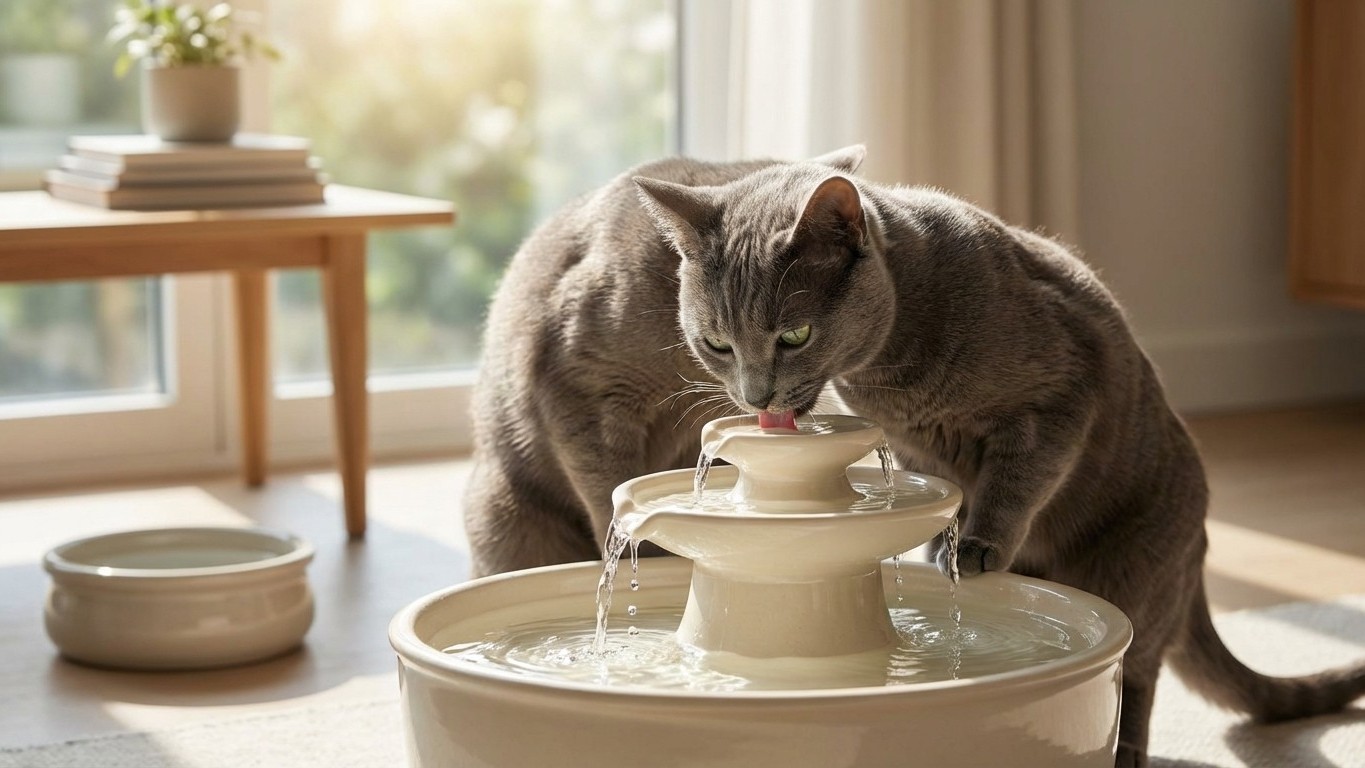
Investing in a quality water fountain often transforms reluctant drinkers into enthusiastic ones. The Gentle circulation keeps water oxygenated and fresh while providing the movement and sound that appeals to feline instincts. Veterinarians particularly recommend ceramic or stainless steel fountains over plastic alternatives, as these materials resist bacterial growth and don’t absorb odors.
The elevation of water sources can significantly impact your cat’s drinking frequency. Many cats prefer slightly elevated bowls that allow them to drink comfortably without straining their necks or feeling vulnerable. Wide, shallow dishes work best, allowing cats to see their surroundings while drinking and preventing whisker contact with bowl sides.
Environmental Factors That Make a Difference
Temperature preferences vary among individual cats, but most gravitate toward cool, fresh water that’s changed-everything-without-any-effort”>Changed daily. Some cats show strong preferences for room temperature water, while others seek out cooler alternatives. Observing your cat’s behavior around different water temperatures helps identify their specific preferences.
The chemical composition of your water supply may also influence your cat’s drinking habits. Heavily chlorinated tap water can deter sensitive cats, making filtered or bottled water a worthwhile consideration. Some veterinarians suggest adding a small amount of low-sodium chicken broth to plain water, creating an appealing flavor that encourages increased consumption.
Cleanliness standards must exceed typical human expectations, as cats possess significantly more sensitive senses of smell and taste. Daily water Changes, weekly deep cleaning of bowls and fountains, and regular filter replacements ensure your cat encounters consistently fresh, appealing water sources.
When to Consult Your Veterinarian
While behavioral modifications solve most water bowl avoidance issues, sudden changes in drinking patterns warrant professional evaluation. Increased water consumption may indicate underlying health conditions such as diabetes, kidney disease, or hyperthyroidism, while decreased drinking can lead to dangerous dehydration and urinary complications.
Veterinarians can assess your cat’s overall hydration status and recommend specific strategies tailored to their individual needs. Senior cats, those with chronic health conditions, and cats recovering from illness may require specialized hydration support that goes beyond environmental modifications.
Creating an environment that naturally encourages drinking behavior transforms your cat’s relationship with hydration from reluctant necessity to instinctive habit. By understanding and accommodating their evolutionary preferences, you’re supporting their long-term health while honoring the wild instincts that make cats such fascinating companions. Remember that patience and observation guide successful implementation—each cat’s preferences are as individual as their personalities, and finding the perfect hydration solution often requires thoughtful experimentation.